- BIST10012,151-0.94%
- USD49.220.00%
- EUR55.21+0.28%
- GOLD4,195.90-0.48%
- INTEREST37.00%-1.00
- BITCOIN82,797-1.05%
- October 13, 202619°
- BIST10012,151-0.94%
- USD49.220.00%
- EUR55.21+0.28%
- GOLD4,195.90-0.48%
- INTEREST37.00%-1.00
- BITCOIN82,797-1.05%
- October 13, 202619°
COP31 electrification target could cut annual energy import bills by $500 billion
A report prepared by the International Energy Agency at the request of Türkiye and Australia under a strategic partnership with the COP31 Presidency projects that raising electricity’s share of global final energy consumption to 35% by 2035 could generate more than $500 billion in annual savings for energy-importing countries.


A special report by the International Energy Agency (IEA) on electrification sets out the economic impact of raising electricity’s share of global final energy consumption to 35% by 2035, as well as the steps needed to achieve this target. The report was prepared at the request of Türkiye and Australia as part of the strategic partnership between the COP31 Presidency and the IEA.
Electricity currently accounts for approximately 23% of global final energy consumption. Taking into account technology costs, energy prices and financing conditions in 2025, the report estimates that this share could be increased to approximately 33% cost-effectively using existing technologies.
Transport has the greatest electrification potential
The transport sector has the greatest potential for electrification. While the price of lithium-ion batteries has fallen by 90% since 2010, approximately half of today’s petroleum-based road transport demand could be electrified at competitive costs.
In buildings, approximately half of global space-heating demand could be electrified cost-effectively. In industry, the same applies to approximately 40% of energy consumption in applications requiring low and medium temperatures.
Electric vehicles reduce oil demand
Electric cars, motorcycles, trucks and buses are estimated to be preventing approximately 2.3 million barrels per day of oil demand today. If current policies continue, electric vehicles could prevent approximately 10 million barrels per day of oil demand in 2035.
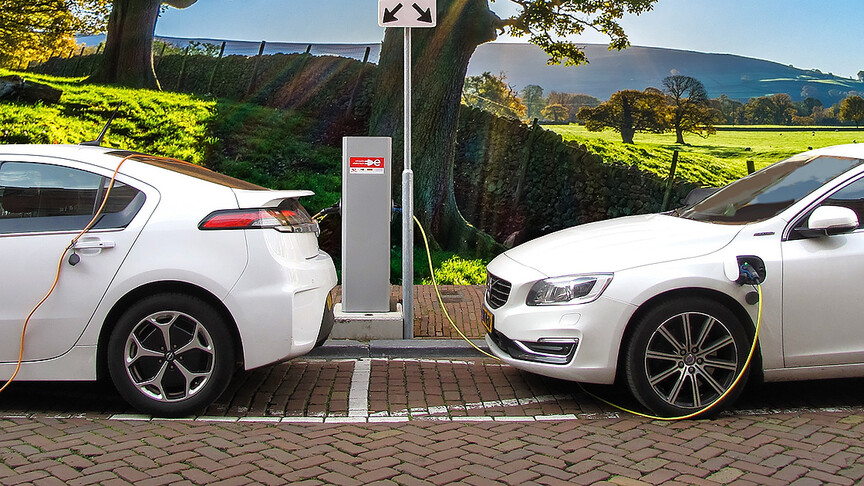
Under the High Electrification Scenario, avoided oil demand could reach 18 million barrels per day. Under the same scenario, energy-importing countries’ energy import bills could fall by approximately $400 billion annually compared with 2025; based on the higher energy prices recorded in 2026, the savings could exceed $500 billion.
Grid investment needs to accelerate
If electricity reaches a 35% share of final energy consumption, annual growth in global electricity demand is expected to reach approximately 1,400 terawatt-hours by 2035. This would be roughly twice the annual growth rate recorded over the past 10 years.
Electricity generation, grids, energy storage and flexibility investments need to advance together to meet rising demand securely and affordably. Under the High Electrification Scenario, grids would need to be expanded and modernized 40% faster through 2035 than they were over the previous 10 years.
Investment expected to reach $1 trillion
Global investment in the electrification of final energy use could nearly triple to approximately $1 trillion by 2035. Thanks to the greater efficiency of electric technologies, average household energy bills could also fall by approximately 15% from current levels.
If current policies continue, the global electrification rate is expected to reach approximately 30% in 2035. Reaching the 35% target will require faster investment in grids and generation, improved access to financing and stronger policies supporting electrification technologies.
Stay Updated with The Turkiye Times
Subscribe to be informed about special news, developments and announcements. We will keep you informed.
By signing up, you agree to our Privacy Policy














