The dollar index rose 3.3% to 101.5 in the first nine months of the year, driven by expectations for the U.S. Federal Reserve’s monetary policy, economic data from the United States and geopolitical developments.
The index, which ended 2025 at 98.3, followed a volatile course in the first quarter of 2026. It fell to 95.5 in January on expectations that the Fed would continue cutting interest rates, reaching its lowest level in nearly four years.
As rising geopolitical risks in the Middle East at the end of February intensified inflation concerns, the dollar index exceeded 100 in March. Tensions between the U.S./Israel and Iran pushed up energy costs, weakening expectations for interest-rate cuts by central banks worldwide.
Dollar index fluctuated month to month
Concerns that inflationary pressures could strengthen again reversed forecasts for central bank interest-rate cuts. Expectations that the Fed could pursue a more hawkish monetary policy also supported the dollar.
The index fell to 97.6 in April amid optimism that risks in the Middle East could ease, then rose to 99.5 in May and 101.8 in June after lasting peace failed to be achieved. Standing at 101.2 at the end of June, the index climbed to 101.5 at the end of September, closing the third quarter with a limited gain.
The index rose to 102.2 during the week after mixed signals from U.S. employment, growth and personal consumption expenditures data, testing its highest level in approximately 1.5 years.
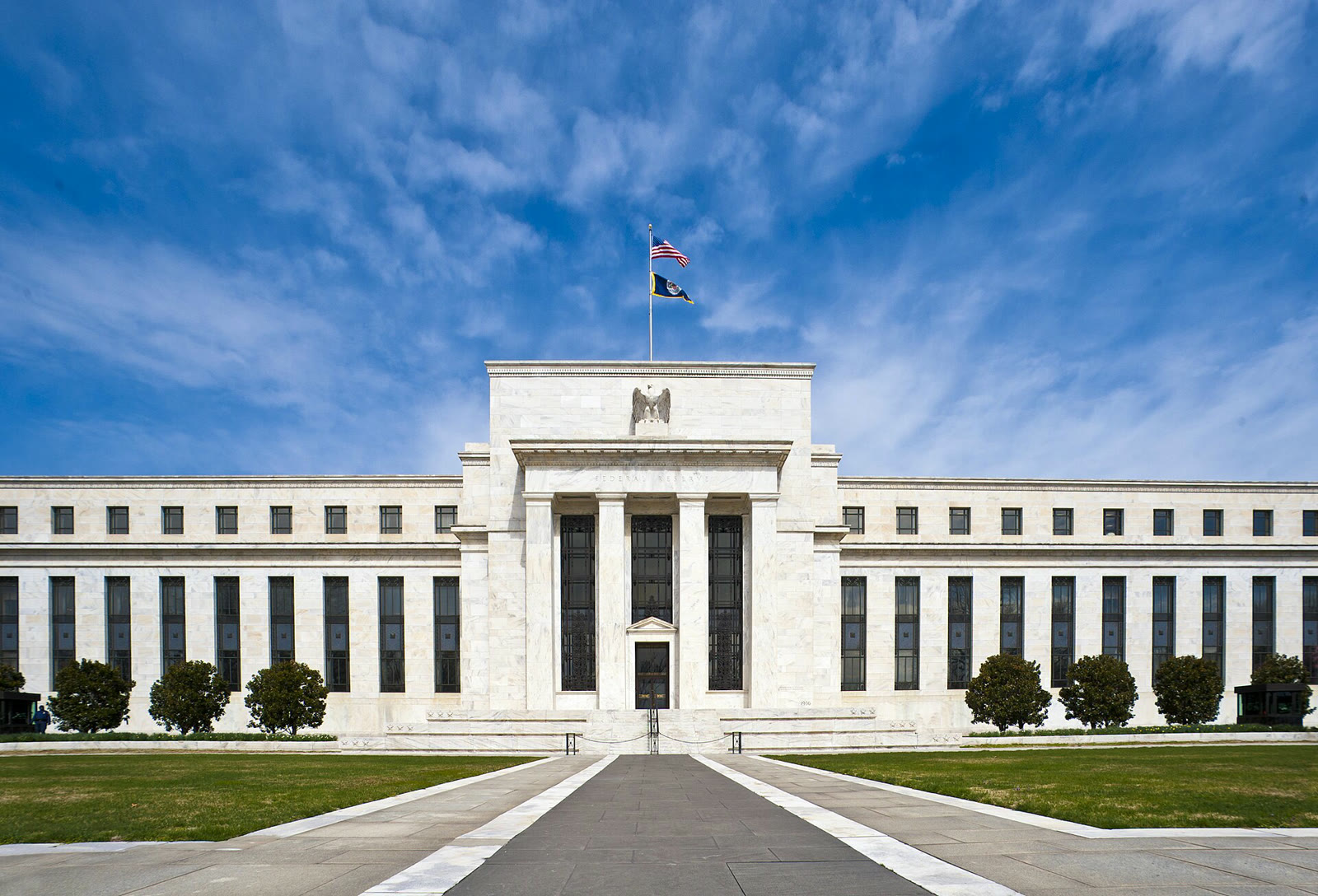
High oil prices and bond yields support the dollar
Tim Waterer, chief market analyst at KCM Trade Global, said high oil prices, inflation concerns and rising U.S. Treasury yields were influential in the dollar index’s third-quarter performance.
Waterer said persistently high oil prices supported a more hawkish stance by the Fed, while elevated bond yields made the dollar more attractive in terms of relative returns. He said the dollar index’s upward trend could continue through the end of the year if oil prices and bond yields remain high and markets continue to expect an additional Fed rate hike.
Waterer said a sharp decline in oil prices could weaken expectations for a rate hike and remove one of the dollar’s main sources of support.
U.S. data strengthen dollar outlook
Kit Juckes, head of FX strategy at Societe Generale, said the dollar was supported by changing expectations for the Fed’s monetary policy, strong U.S. economic data, high oil prices and concerns that disruptions to energy supplies could persist for a long time.
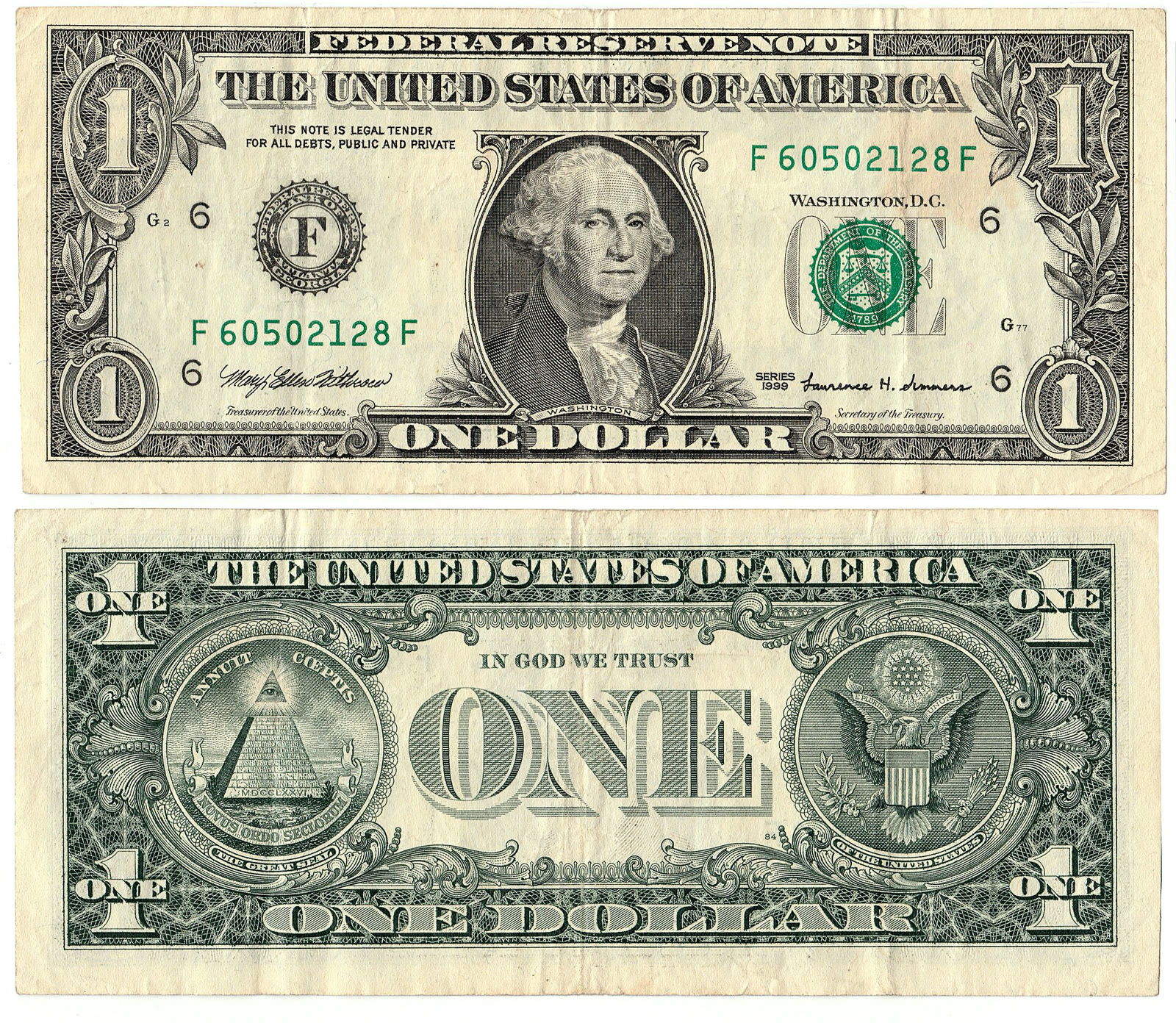
Juckes said the dollar index was trading at 99 before the Jackson Hole meeting and later rose as high as 103. He said market expectations were revised after the Federal Open Market Committee meeting on Sept. 16 and the policy rate was raised to 4%.
Juckes also recalled that nonfarm payrolls rose by 162,000 in the August data released on Sept. 4, while the market expectation was 55,000. He said the data strengthened the view that the U.S. economy had not been significantly affected by high energy prices and that developments driven by artificial intelligence continued to support the economy.
Juckes said global oil supplies had been affected not only by the war in Ukraine but also by the partial closure of the Strait of Hormuz. He said crude oil prices had stabilized at high levels as expectations that the Strait of Hormuz would reopen soon and oil supplies would recover weakened, while rising diesel prices increased concerns about economic growth in Asia and Europe.
Dollar retains its safe-haven appeal
Jane Foley, senior FX strategist at Rabobank, said the possibility of a Fed rate hike had supported the dollar in recent months. She added that a sharp rise in bond yields in G10 countries had also highlighted the dollar’s safe-haven status.
Foley said the euro’s stronger performance in 2025 offered an alternative to investors wary of the dollar, but budget concerns in France and the possibility of a far-right president being elected next year were putting pressure on the euro.
Low natural gas storage levels in Europe, high energy prices, competition from China, political developments in Germany and the risk of attacks originating from Russia also supported the dollar’s safe-haven and relative-return advantages. Foley said other liquid G10 currencies, such as the British pound, Japanese yen and Swiss franc, remained of limited appeal under current conditions.
















