- BIST10012,151-0.94%
- USD49.220.00%
- EUR55.21+0.28%
- GOLD4,196.10+0.13%
- INTEREST37.00%-1.00
- BITCOIN82,500-1.40%
- October 13, 202618°
- BIST10012,151-0.94%
- USD49.220.00%
- EUR55.21+0.28%
- GOLD4,196.10+0.13%
- INTEREST37.00%-1.00
- BITCOIN82,500-1.40%
- October 13, 202618°
Gülçin Anmaç’s miniature exhibition showcases Ottoman heritage in Bosnia
The 35-work exhibition by artist Gülçin Anmaç, which explores the Ottoman Empire’s architectural heritage in Rumelia through miniatures, will close today in Sarajevo, Bosnia and Herzegovina. Held at the Islamic Culture and Art Museum in the Gazi Husrev-beg Khanqah, the exhibition is the project’s first display abroad.


Artist Gülçin Anmaç’s exhibition "Ottoman Traces in Rumelia," in which she interprets the heritage left by the Ottoman Empire across the Rumelia region through the art of miniature, will close today in Sarajevo, Bosnia and Herzegovina.
The 35 works on display at the Islamic Culture and Art Museum in the Gazi Husrev-beg Khanqah feature a wide range of religious and civil architectural structures, from mosques and bridges to madrasas and bazaars.
Rumelia’s architectural heritage portrayed through miniatures
Anmaç said she regards the miniature art she has worked on for many years as a form of storytelling. Explaining that she focused on sites built during the Ottoman period while portraying Rumelia, the artist associated madrasas with education, mosques with faith and homes with daily life.
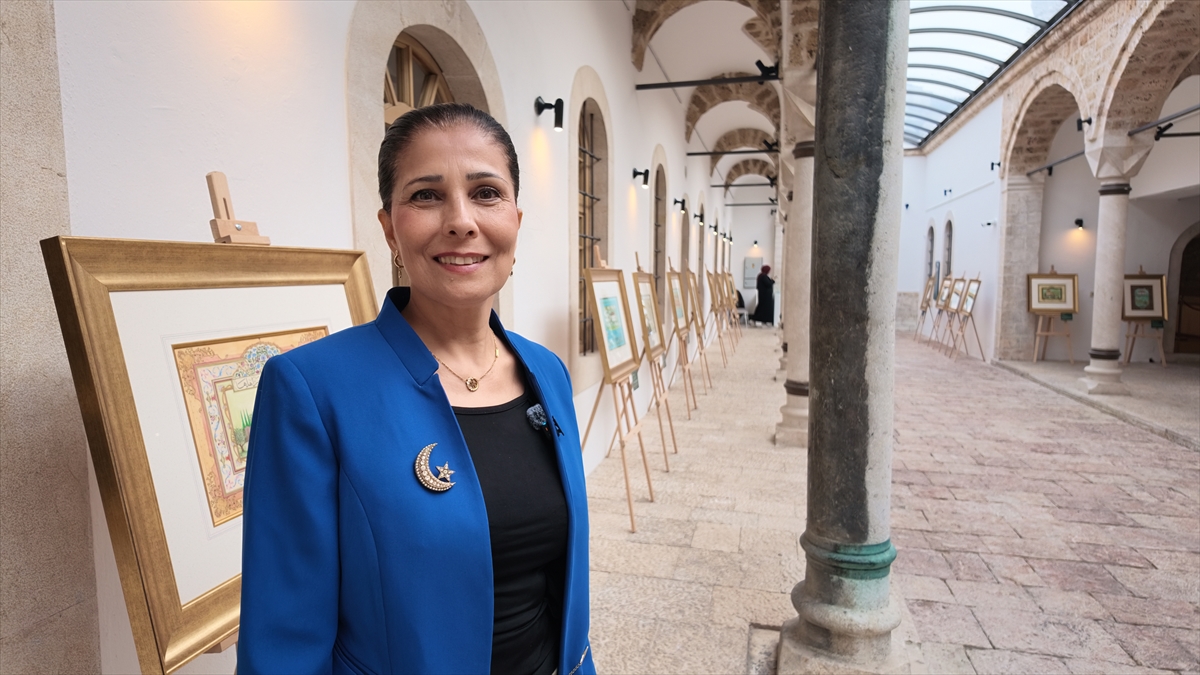
The artist said she had visited many of the sites featured in the works and that her family had migrated from Rumelia. Kuveyt Türk prepared the list of sites for the project, while Anmaç conducted extensive research on the structures included in the list.
Anmaç said that rather than depicting a single mosque or site, she sought to present the cities and towns where they are located within a broader narrative.
The exhibition’s first display abroad
Anmaç said it was special for her that the exhibition, which first opened in Istanbul, was being held in Bosnia. She added that the Sarajevo presentation was the first exhibition abroad for the venue, Kuveyt Türk and the "Ottoman Traces in Rumelia" project.
Anmaç said the art of miniature, which is gradually being forgotten in the Balkans, had attracted visitors’ interest. The artist said she was surprised that the works resonated differently with each visitor.
The project began two years ago
Semih Sel, Kuveyt Türk’s Deputy General Manager responsible for Human Resources and Strategy, said the institution aims to support the development of Turkish-Islamic works from the past to the present and to pass this heritage on to future generations.
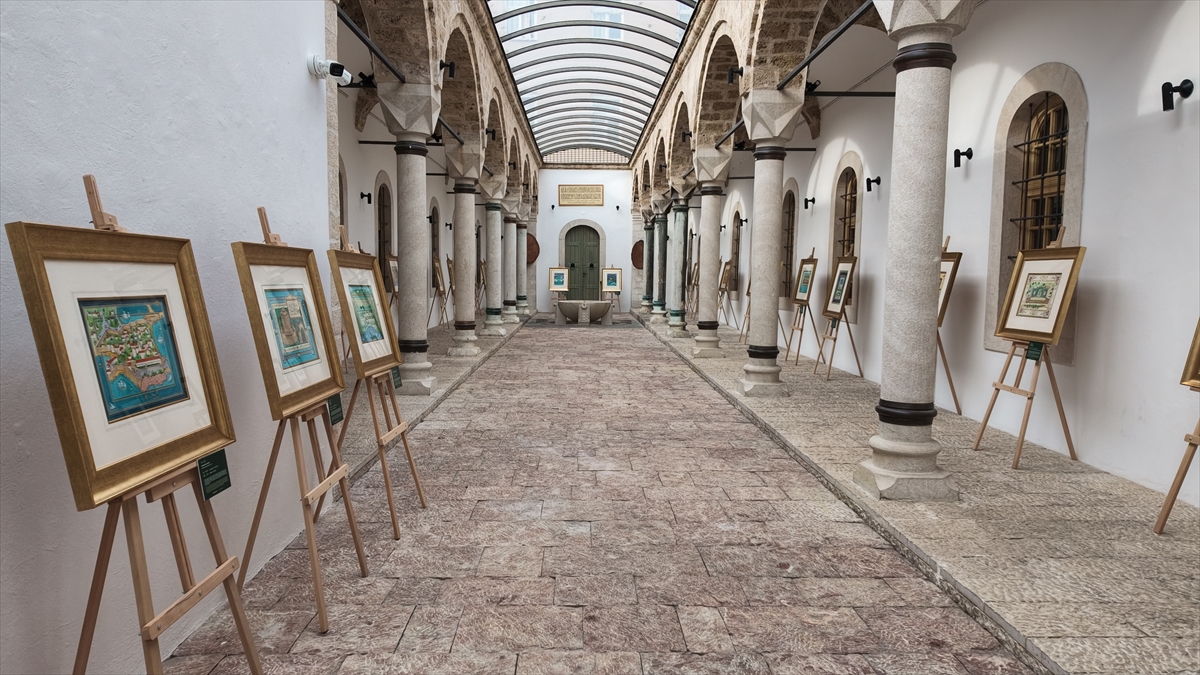
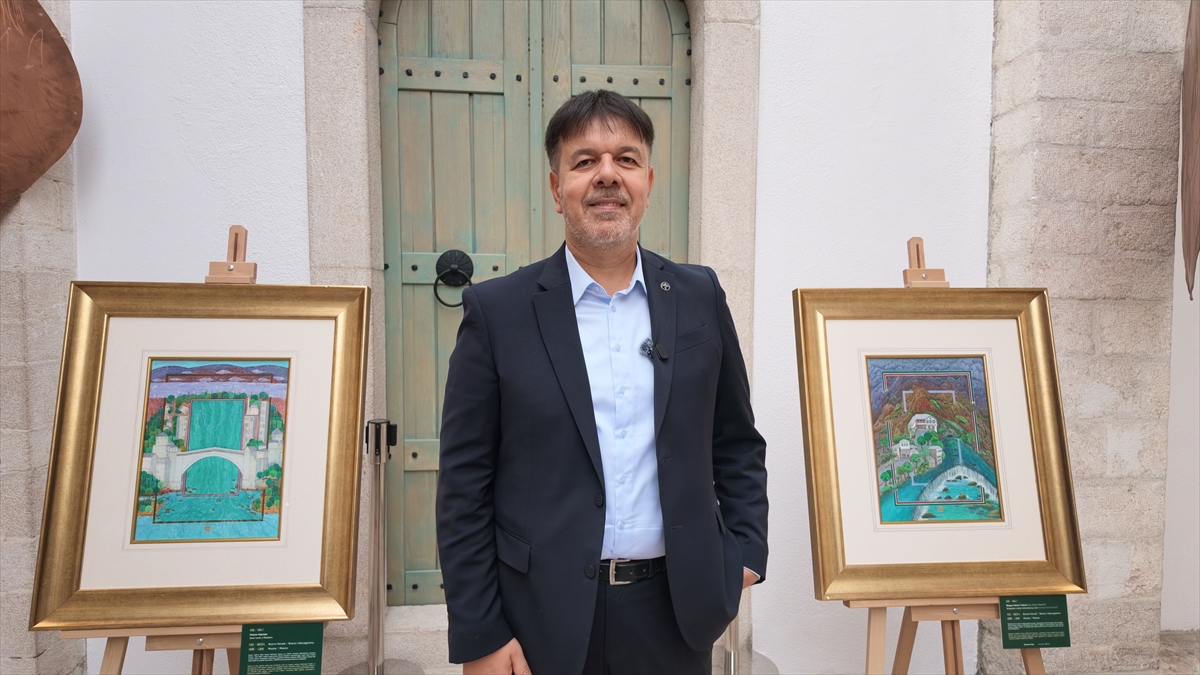
Sel said they began the miniature project "Ottoman Traces in Rumelia" with Anmaç two years ago. The project’s first exhibition opened last December at the Tophane-i Amire Culture and Art Center in Istanbul; following feedback from that exhibition, the idea of displaying the works in the Balkans emerged.
Sel said the exhibition’s meeting with art enthusiasts in Bosnia and Herzegovina marked Kuveyt Türk’s first step outside Türkiye in its work involving works of art. Saying that the project could be taken to different venues, Sel said presenting the structures through miniature art rather than models or traditional painting added a distinct value to the exhibition.
Sel also said they chose miniature art to reconnect a traditional art form that is beginning to be forgotten with cultural heritage.
Stay Updated with The Turkiye Times
Subscribe to be informed about special news, developments and announcements. We will keep you informed.
By signing up, you agree to our Privacy Policy