Israel closed the Ibrahimi Mosque in Hebron, in the occupied West Bank, to Muslim worshippers for two days, citing Jewish holidays. The closure began on Wednesday, September 16, and will continue until Thursday evening.
The Palestinian Ministry of Endowments and Religious Affairs condemned the decision by Israeli forces to close the mosque to worshippers on Wednesday and Thursday. The ministry called on international organizations and human rights groups to intervene urgently.
Ibrahimi Mosque Director Mutaz Abu Snena said the closure was part of ongoing tensions and continuing attempts to seize the remaining sections of the holy site.
Abu Snena said the entire mosque, including its corridors and courtyards, belongs to Muslims, describing the measure as an overt attack on freedom of worship guaranteed under international conventions.
The ministry called on the international community to take action to protect the Ibrahimi Mosque and guarantee Muslim access to the holy site.
Arrangements governing use of the Ibrahimi Mosque
On February 5, 1994, far-right Jewish settler Baruch Goldstein opened fire at the Ibrahimi Mosque during dawn prayers in Ramadan, killing 29 Palestinians.
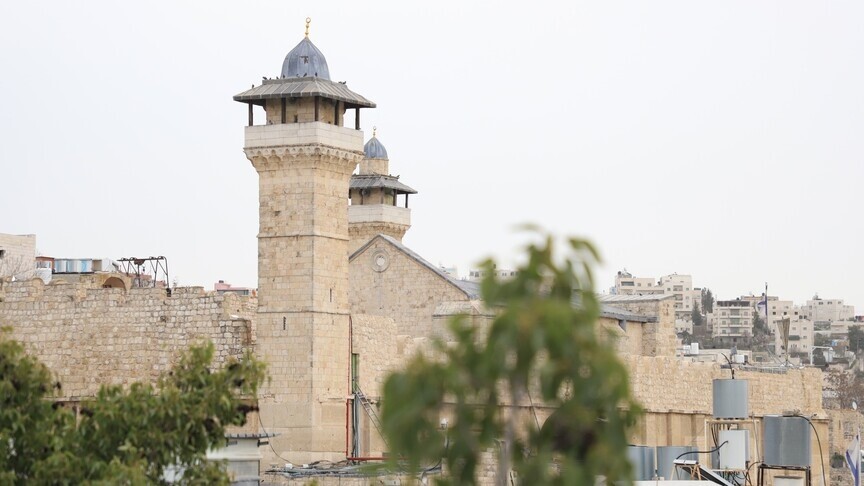
After the incident, Israeli authorities divided the mosque into two sections. Sixty-three percent of the mosque, including the central inner courtyard and access to some prophets’ tombs, was allocated for Jewish use, while 37 percent was designated for Muslim worship.
Israel later stripped the Hebron municipality of its planning powers concerning the Ibrahimi Mosque. The decision came after the municipality rejected Israeli demands to close the mosque’s courtyard, citing the facilitation of construction permits.
Israeli Finance Minister Bezalel Smotrich announced on June 16 that the 1997 agreement governing Hebron’s administrative administration had been canceled. Subsequently, the Hebron municipality’s civil planning, zoning and construction powers in the H2 area were transferred to the Israeli Civil Administration.
These administrative powers also cover the Ibrahimi Mosque. Smotrich described the move as a “historic correction” aimed at annexing the city.