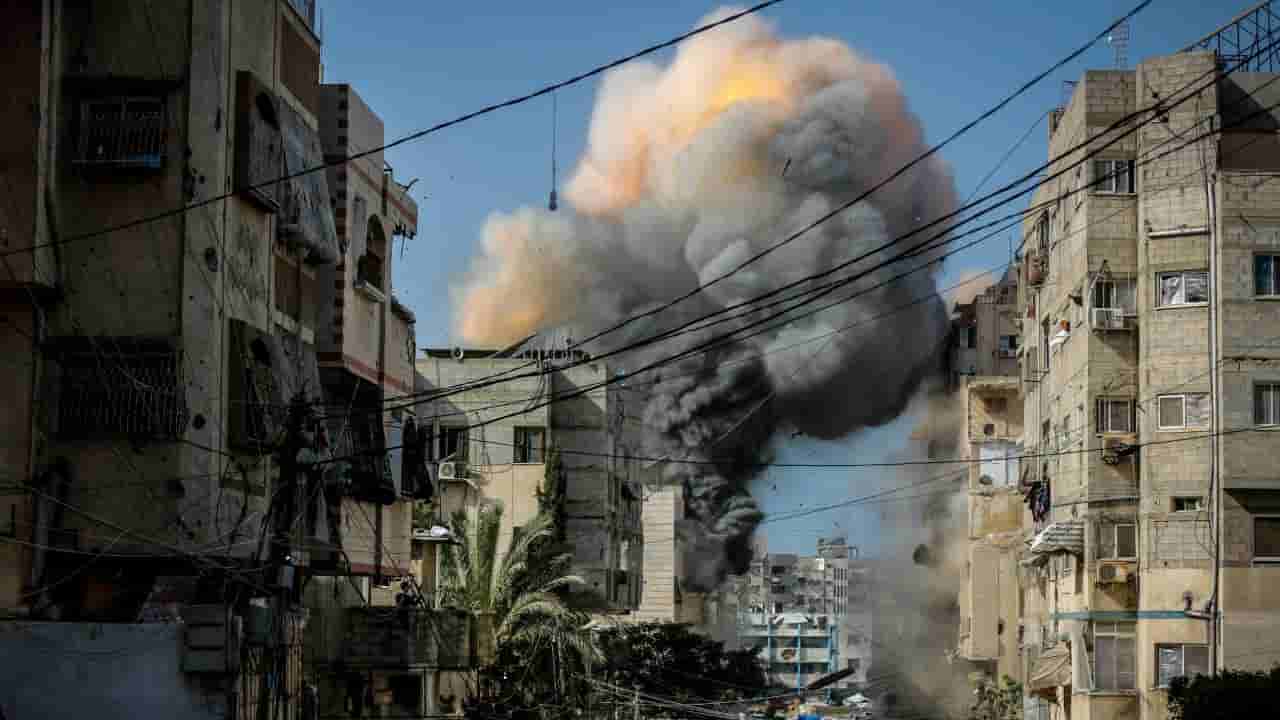
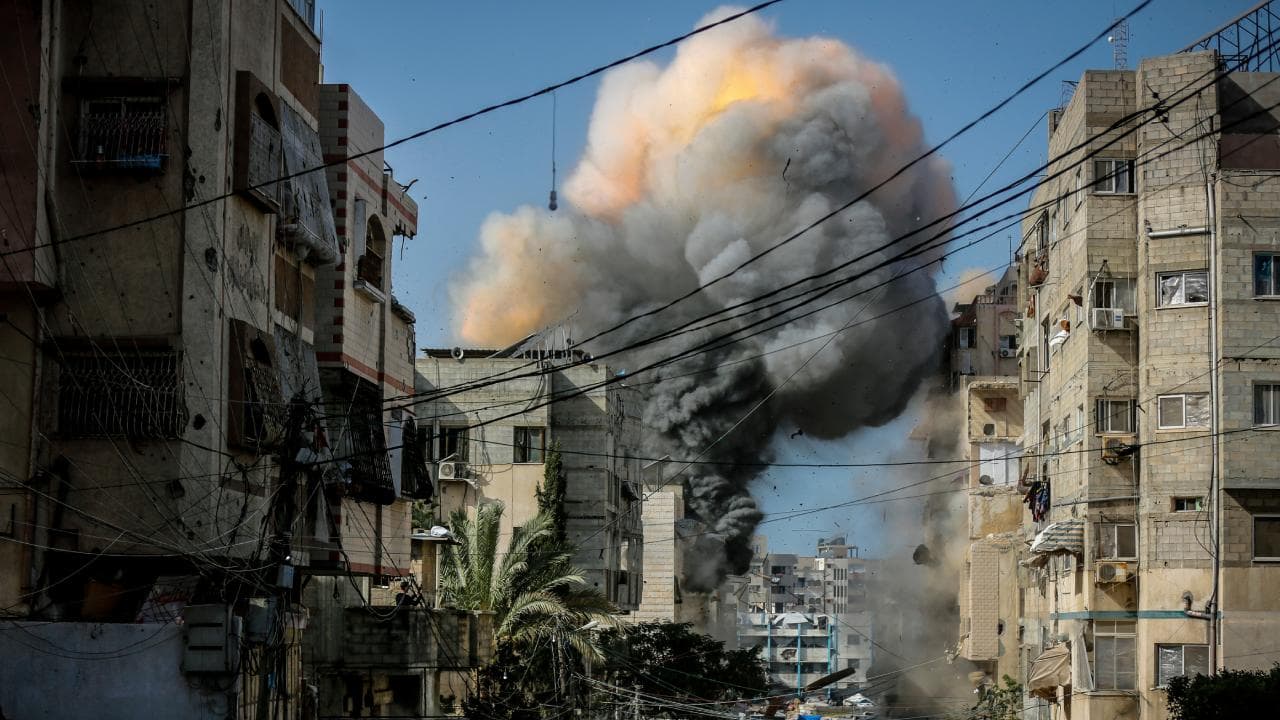
The persisting high tensions in the Middle East are raising concerns that global inflation could regain momentum. On the eighth night of their latest attacks on Iran, the US Central Command (CENTCOM) announced that Iran's military coastal surveillance and air defense facilities, naval forces, and missile and drone storage areas were struck.
The Iranian side, however, stated that the US targeted the under-construction Darhovin Nuclear Power Plant, describing the attack as a "dangerous undertaking." The fact that the Strait of Hormuz, a critical route for oil shipments in the region, is under the shadow of war, along with the risk of potential disruptions to other trade routes, led to the surge in oil prices.

Sharp Rise in Oil Prices
Reports of tankers carrying oil being struck in the strait heightened concerns about global energy supply, supporting the price increase. The price of Brent crude rose to $88.9 per barrel, its highest level since June 12. The decrease in tanker traffic through the Strait of Hormuz is notable.
Concerns that the conflict could further intensify and turn into a ground operation remain one of the background risks in the markets. Allegations that US President Donald Trump conveyed a message to mediating countries, urging them to be prepared for escalation if a ceasefire with Iran is not achieved this week, fueled worries that geopolitical risks could increase.
Fed Expectations Shift in the US
The triggering of inflation fears by the rise in oil prices is complicating the formation of expectations regarding the US Federal Reserve's (Fed) monetary policy. In money markets, the probability of the Fed raising the policy rate by 25 basis points in September is priced at 70%, while the bank is projected to possibly make two rate hikes over the next 12 months.
Cleveland Fed President Beth Hammack noted that persistently high inflation is a bigger concern, saying, "There is no conflict between our monetary policy objectives. Inflation is too high. The labor market is quite close to what I consider maximum employment." The US 10-year bond yield stands at 4.55%, while the dollar index is at 100.7, down 0.1%. The price of gold per ounce is trading at $4,010, down 0.2%.
European and Asian Markets
Index futures in Europe started the week on a mixed note. In the UK, Prime Minister Andy Burnham is expected to make his first speech today, and signals about the direction of the country's economy will be sought in his messages. The European Central Bank (ECB) is expected to keep rates unchanged at this week's meeting and then raise rates at the September meeting.
Asian markets saw gains in China and Hong Kong, while the Kospi index in South Korea turned negative. Declines in technology stocks stood out; SK Hynix fell 2.3%, Samsung Electronics dropped 4%, LG Electronics lost 4.9%, and Hanmi Semicon plummeted 8.7%. The revelation that AI language models developed in China can deliver high performance at low cost kept concerns about high valuations in the sector alive. In Japan, trading volume remained low as markets were closed for Marine Day. China left its loan prime rates unchanged; the one-year rate remained at 3%, and the five-year rate at 3.5%. Near the close, the Kospi was down 2.8%, while the Shanghai Composite rose 1.2% and the Hang Seng index added 2.2%.
Domestic Markets and Data Agenda
On Borsa Istanbul, the BIST 100 index ended Friday at 13,981.05 points, down 1.90%. The dollar/Turkish lira is trading at 47.1750. Fitch Ratings affirmed Turkey's credit rating at "BB-" and kept the outlook "stable."
Analysts noted that today's domestic agenda features the Central Bank of Turkey's market participants survey, the international investment position, and the foreign PPI, while abroad Germany's PPI and the US leading index will be monitored. For the BIST 100 index, 13,900 and 13,800 points are seen as support, while 14,100 and 14,200 points are resistance levels.