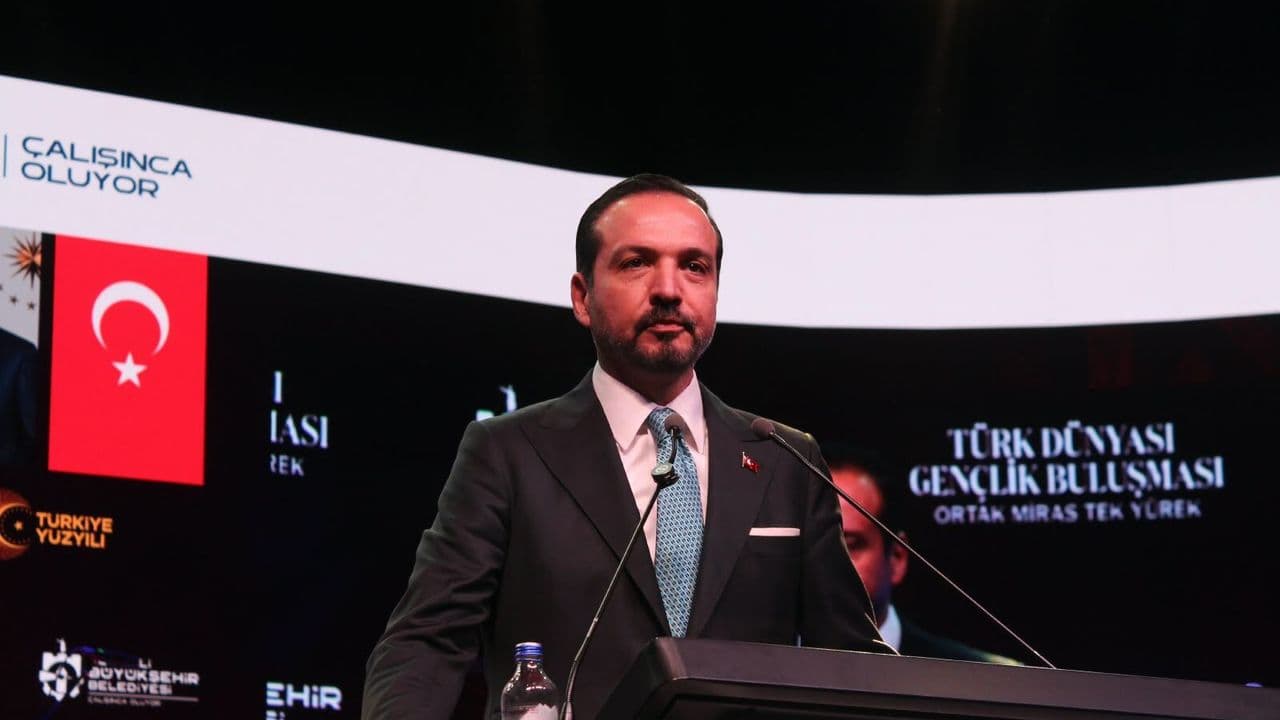
NATO's effective, deterrent, and at the same time 'peace'-oriented foreign policy approach shaped the world's destiny. The 36th NATO summit of heads of state and government, considered the most critical in NATO history, was the venue where an answer was sought to the question 'Continue or end?'
Due to his close friendship with President Recep Tayyip Erdoğan and the fact that the summit was held in Turkey, US President Donald Trump attended the summit. Last April, he had announced that he was seriously considering withdrawing the US from NATO, criticizing allies for not providing adequate support in regional conflicts such as Iran.
After the Ankara summit, Trump stated that NATO had made significant progress on financial burden-sharing and painted an optimistic picture regarding the resolution of regional crises and new trade agreements. Ultimately, because the NATO summit was in Ankara, the allies' spirit of solidarity was clearly evident.
President Erdoğan also stated that the foundations of a stronger NATO were laid in Ankara, where European allies would assume more responsibility and military capabilities would be strengthened through fair burden-sharing. In the summit statement, the words 'An attack against one ally is an attack against all allies.
Our unity, solidarity, and collective strength continue to be the foundation of peace, security, and prosperity for the 1 billion citizens in our Alliance of free and democratic nations. We remain committed to our 360-degree approach to deterrence and defense' proved that the allies answered the question 'Continue or end?' in Ankara with 'Continue'.
SIGNPOST TO ANKARA: In Ankara, the announcement of a new procurement deal worth over $50 billion was also a critical step for the Alliance's future. The commitment to work together to boost the Alliance's collective production capacity and efforts to eliminate defense trade barriers among allies were included in the statement, with Ankara's influence.
Turkey was also the location referred to in the statement, 'We will leverage NATO partnerships to maximize depth and cooperation in the defense industry.'
EU'S INITIATIVES SHOULD BE COMPLEMENTARY: While European countries are making intense bilateral efforts to keep relations with the Turkish defense industry at a high level, the blocking attempts of some countries led to reservations about Turkey's inclusion in EU initiatives such as SAFE. This situation also caused unease in many member states.
Ankara, leveraging its role as host, emphasized that the European Union's defense initiatives should be complementary to NATO and should not lead to unnecessary duplication.
Erdoğan also pointed to the need for rational policies in his post-summit statement, saying, 'When non-EU allies like Turkey are not fully included in the Union's defense initiatives, the impact of these initiatives will be very limited.'