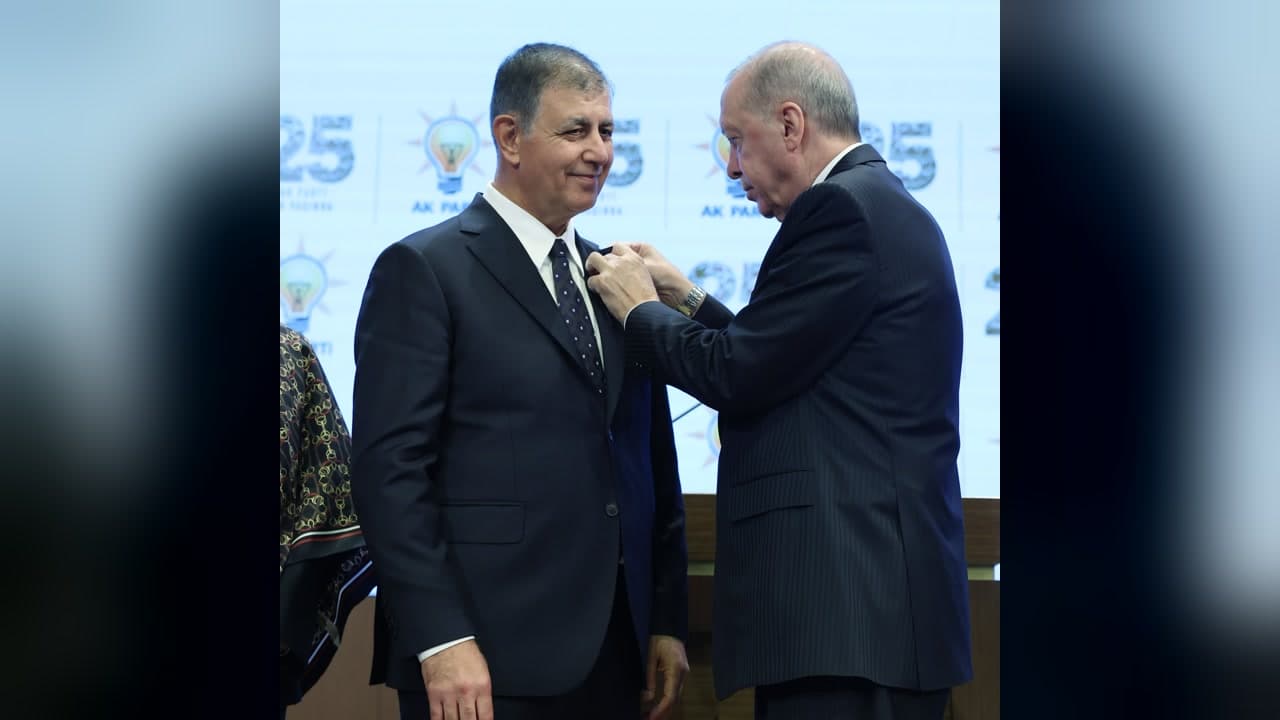
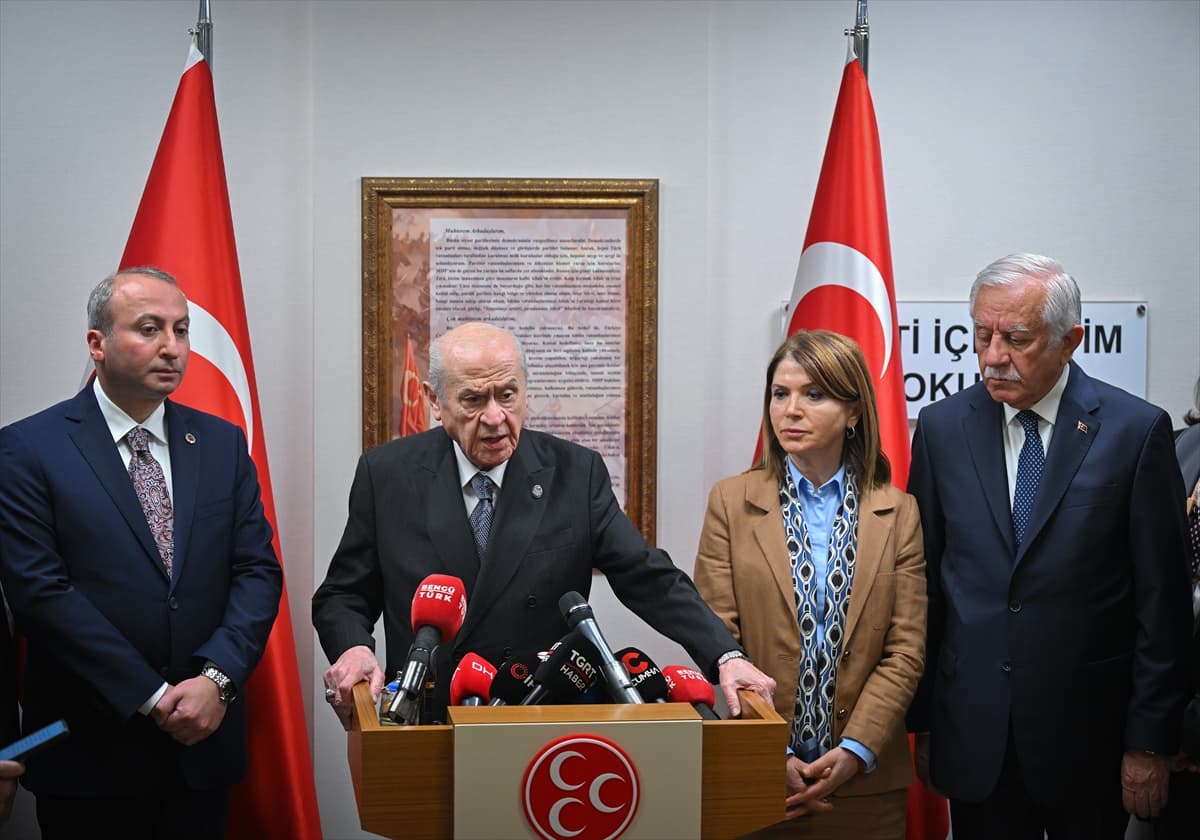
The 2nd Communication Council, held at the Presidency's Directorate of Communications Conference Hall, continues with panels discussing workshop report presentations. The first session began under the title 'Strategic, Political and Public-Oriented Communication'.
Strategic Communication and Target Audience Emphasis
Interior Deputy Minister Kübra Güran Yiğitbaşı, presenting on behalf of the Strategic Communication Working Group, noted that we are now in an era of individual messages, saying, "We need to diversify and construct our messages according to whichever group our target audience is."
Yiğitbaşı emphasized that strategic communication is directly linked to state security and national interests, stating, "The fight against disinformation is a matter of national security." She noted that cooperation among the state, media, and civil society is vital in the fight, adding, "There is absolutely no alternative to our state institutions, and trust in our state is fundamental. With this motto, we must reach all our target audiences and tell them the truth."
Turkey's Brand Being Redefined
Speaking on behalf of the Branding and Turkey Brand Working Group, Hasan Kalyoncu University Rector Prof. Dr. Gül Rengin Küçükerdoğan said they have been working for 1.5 years to grow Turkey's brand value. Küçükerdoğan noted that while the existing brand is strong in certain areas, they aim to reveal and present its potential.
Küçükerdoğan said, "The model we have arrived at should be situated within a framework that is asymmetric, challenges conventions, ensures internal and external consortiums, spreads country brand awareness across a very wide spectrum, where everyone accepts it as a voluntary brand ambassador and develops a sense of belonging."
Digitalization, Data and Political Communication
Ankara University Communication Faculty Dean Prof. Dr. Fatih Keskin, speaking on behalf of the From Traditional to Digital Political Communication Working Group, pointed out that digitalization and artificial intelligence are transforming every aspect of life. He noted that the interaction offered by network society increases citizens' participation in the democratic process but also brings risks such as disinformation, algorithm-driven echo chambers, and cyber threats.
Keskin said, "In this foggy climate of the post-truth era, the reputation management of political actors and the public's rational decision-making processes face an unprecedented test." Noting that data is the modern oil, Keskin said, "He who controls data today controls the world," emphasizing the need for coordination and measurement in political communication.
New Media and Artificial Intelligence in Public Diplomacy
The Presidency's Directorate of Communications Public Diplomacy Department Head Assoc. Prof. Dr. Oğuz Güner, presenting on behalf of the Public Diplomacy Working Group, said that public diplomacy should be approached as perception management rather than image management. Güner conveyed that public institutions in Ankara are conducting target audience profiling, and that artificial intelligence and new media technologies are considered the most important tools to contribute to Turkey's international image.
The second session of the panel was devoted to "Media, Journalism and Broadcasting".
Radio-Television Broadcasting and Journalism
Speaking on behalf of the New Approaches in Radio and Television Broadcasting Working Group, Ankara Hacı Bayram Veli University Communication Faculty Dean Prof. Dr. Mehmet Sezai Türk said they identified 12 main topic areas regarding the sector's problems. Türk noted that strategic headings such as public interest, ethical principles, protection of cultural values, copyrights, and digital sovereignty were addressed.
The Presidency's Directorate of Communications Media Coordinator Osman Küçükdalak, presenting on behalf of the News Production and Citizen Journalism Working Group, noted that the speed at which digital platforms and social media disseminate news surpasses traditional media, but this rapidity leads to bypassing verification processes. Küçükdalak said, "Presenting accurate, reliable information is of great importance for properly informing society. Journalists must verify information from safe sources."
Local Media and the Fight against Disinformation
Media Association President Ekrem Kızıltaş, speaking on behalf of the Problems of Local Media and Solution Proposals Working Group, said that even in the new media age, the most reliable medium is printed newspapers. Kızıltaş noted that local media is facing financial difficulties and said support and incentives should be provided for the sector.
The Presidency's Directorate of Communications Disinformation Combating Center Coordinator Deniz Demir emphasized that media literacy must be taught as a mandatory and up-to-date subject for all age groups. He stated that it is necessary to expand independent fact-checking platforms, implement deterrent sanctions while protecting freedom of expression, strengthen rapid verification and data monitoring systems, include families and NGOs in the process, and develop national and international digital crisis management mechanisms.