Türkiye's acquisition of dialogue partner status with the Association of Southeast Asian Nations (ASEAN) is being interpreted by international relations experts as a strategic step in the multipolar world order.
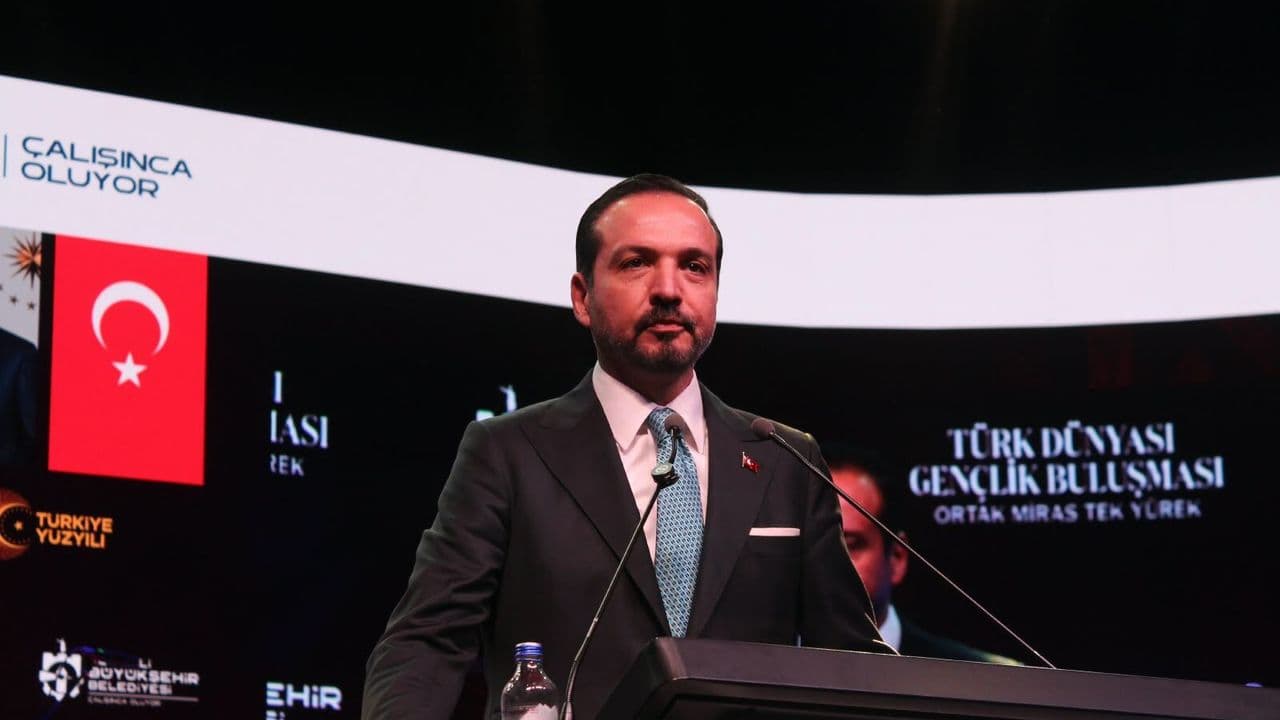
Mustafa Cem Koyuncu, founding partner of Bridge Turkey, wrote in an assessment for Anadolu Agency's (AA) Analysis that the status was a natural extension of Türkiye's multilayered approach, which is based on its vision of strategic autonomy and independent foreign policy interests.
The geopolitical context of the decision
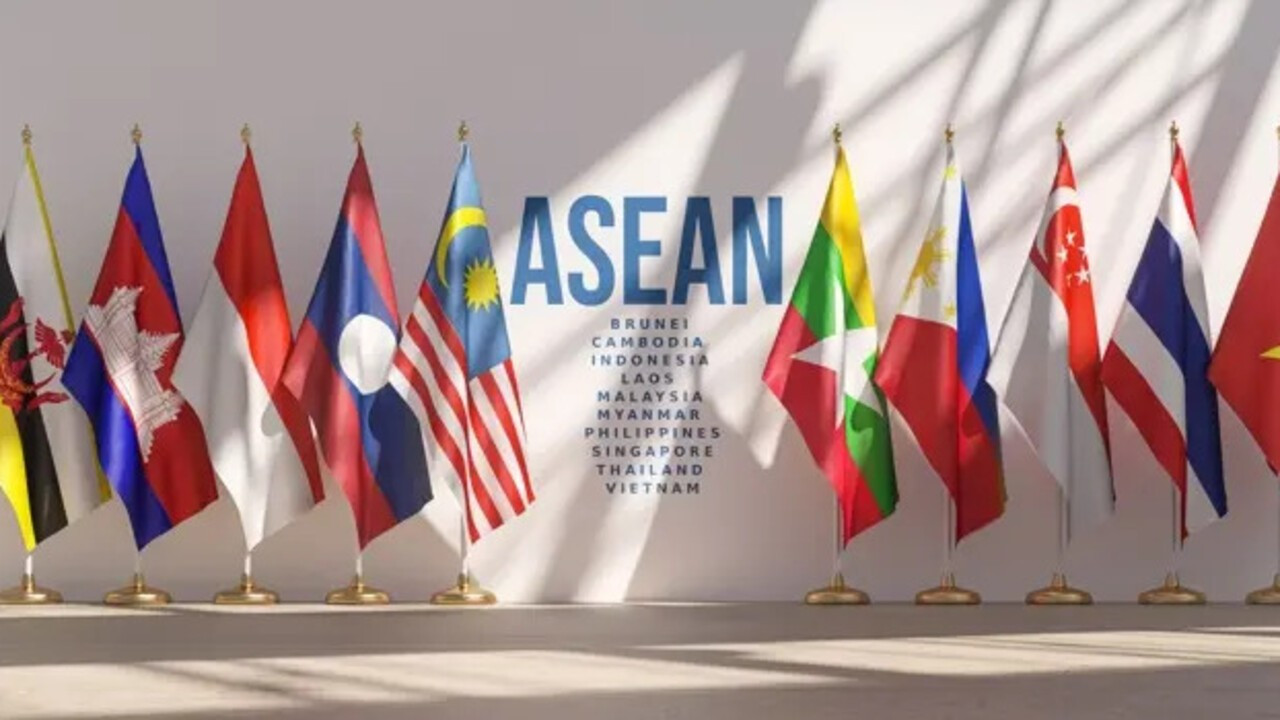
The Indo-Pacific region, which has become one of the main arenas of the global power struggle between the United States and China, has seen ASEAN emerge as a key mechanism in building the regional architecture since the end of the Cold War. The doctrine of “ASEAN centrality” adopted by the bloc aims to protect member states from rivalry between the major powers and maximize their gains through a neutral stance.
Koyuncu said the doctrine offers an alternative path focused on greater constructiveness and regional stability rather than following the interests of China or the United States. This approach aligns with the values Türkiye advocates in its own foreign policy and has generated significant momentum in relations between Ankara and ASEAN in recent years.
What does dialogue partner status mean?
Following a decision by ASEAN foreign ministers in Manila, the capital of the Philippines, Türkiye was elevated to dialogue partner status, a position previously granted to only 11 states. Koyuncu emphasized that the status formally recognizes Ankara's diplomatic presence in Southeast Asia.
With the new status, Türkiye will no longer engage only in technical areas and subcommittees; it will also be able to participate institutionally and regularly in ASEAN summits and foreign ministers' meetings. The development is viewed as one of the most tangible outcomes of the Asia Anew initiative launched in 2019.
Defence industry and the economic dimension
Economic relations with ASEAN countries are also moving in a positive direction. Particularly in the defence industry, Turkish-made unmanned aerial vehicles, missile platforms and naval systems offer an attractive option for member states seeking to strengthen their own defences independently of competition between the major powers.
Koyuncu noted that the tendency of Turkish companies to establish long-term industrial partnerships rather than merely sell finished products and systems gives member states the opportunity to build their own defence capabilities. Türkiye's immunity from the effects of international sanctions, thanks to its active and neutral foreign policy, will also make “made in Türkiye” products more competitive in the ASEAN market.
Trade volume and future outlook
According to information provided by Foreign Minister Hakan Fidan, Türkiye's trade volume with ASEAN countries has risen from $6.5 billion to $16 billion since the foundations of institutional relations with ASEAN were laid in 2010. Nevertheless, Türkiye does not yet have a comprehensive free trade agreement covering the entire ASEAN bloc.
ASEAN, the world's fifth-largest economic bloc with a population of approximately 700 million, is expected to benefit from a comprehensive trade agreement with Türkiye through tariff advantages and enhanced supply-chain security. Koyuncu predicts that the next chapter in Türkiye-ASEAN relations will focus on the economy.
Diplomatic role and timing
Türkiye could become involved as a constructive actor in resolving political problems within ASEAN, such as the Myanmar crisis, as well as disputes over maritime jurisdiction. Koyuncu said Ankara's proven diplomatic capacity in dealing with complex crises in different parts of the world could make an important contribution in this area.
The analysis also draws attention to the timing of the decision, interpreting the development in the heart of Asia shortly after Türkiye hosted the NATO Summit as an indication of Ankara's ability to read global developments and its great-power reflex. It also confirms the policy of active neutrality based on maintaining an equal distance between East and West.