- BIST10010,912+2.40%
- USD50.68+0.07%
- EUR55.60+0.36%
- GOLD3,708.00+4.02%
- INTEREST36.00%-1.00
- BITCOIN61,601+1.83%
- November 27, 202616°
- BIST10010,912+2.40%
- USD50.68+0.07%
- EUR55.60+0.36%
- GOLD3,708.00+4.02%
- INTEREST36.00%-1.00
- BITCOIN61,601+1.83%
- November 27, 202616°
Türkiye's foreign resident population reaches 1,288,016; Antalya ranks second
According to Presidency of Migration Management data, the number of foreigners living in Türkiye with residence permits rose to 1,288,016 as of November 12. Nearly half of them live in Istanbul, while Antalya ranked second with 131,406 residents. Turkmenistan nationals ranked first.
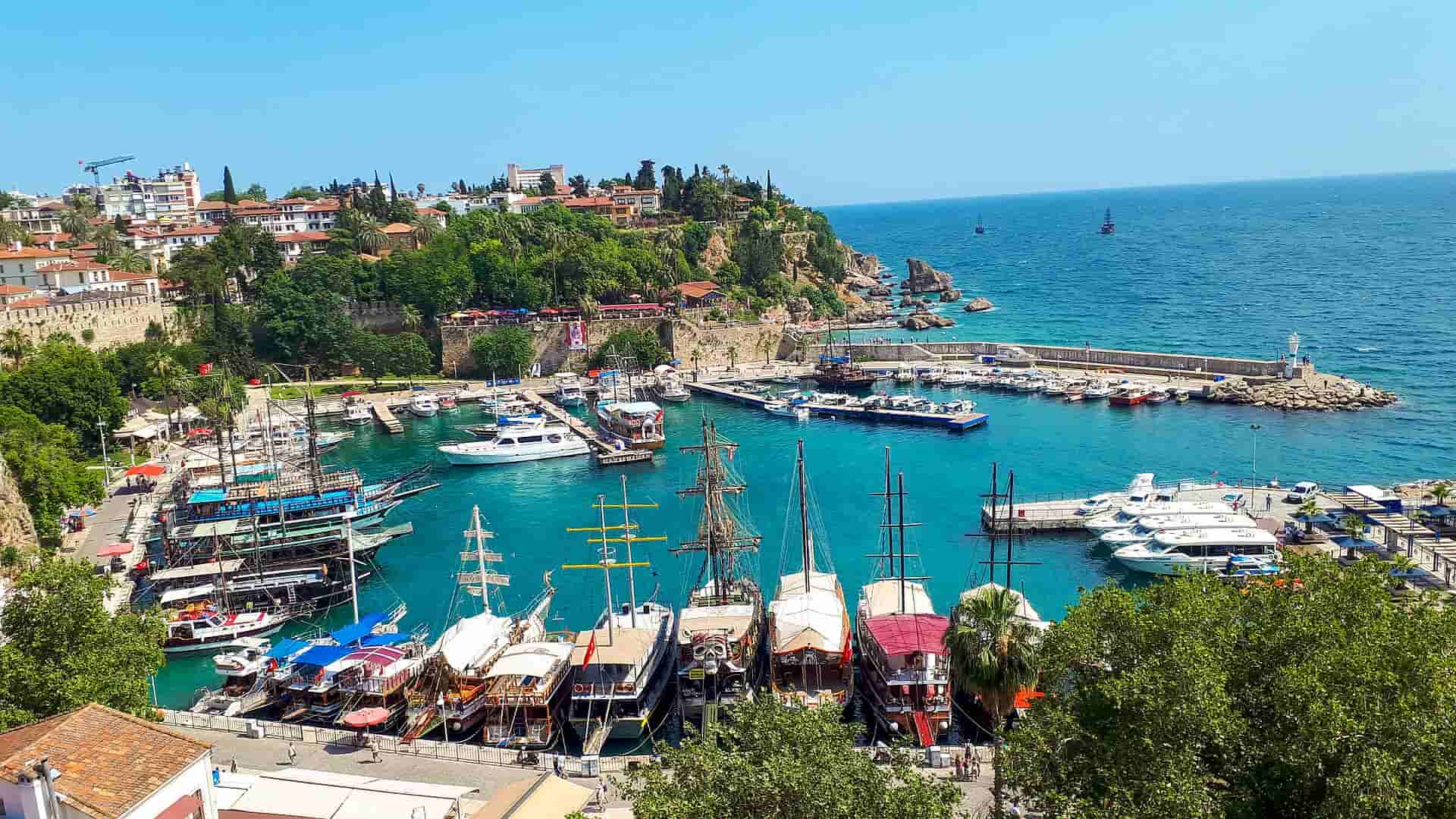
The number of foreigners living in Türkiye with residence permits is again trending upward. According to Presidency of Migration Management data, the number of foreign residence permit holders reached 1,288,016 as of November 12, 2026.
The number of foreigners with residence permits, which stood at 593,151 in 2017, reached a record 1,354,094 in 2022 amid the impact of the Russia-Ukraine war. The figure fell to 1,107,032 in 2023 and 1,056,632 in 2024. It has started rising again since last year.
Nearly half live in Istanbul
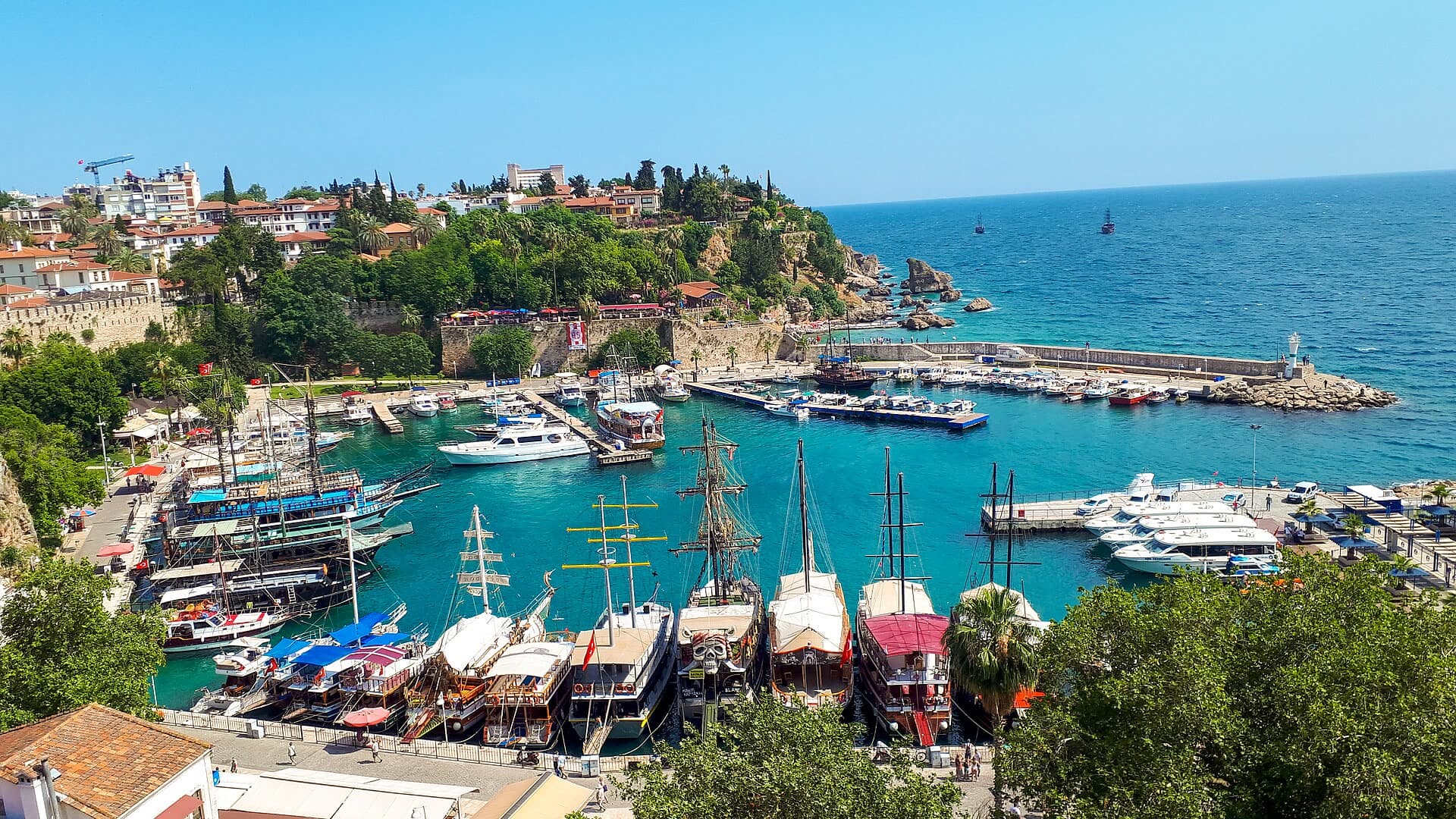
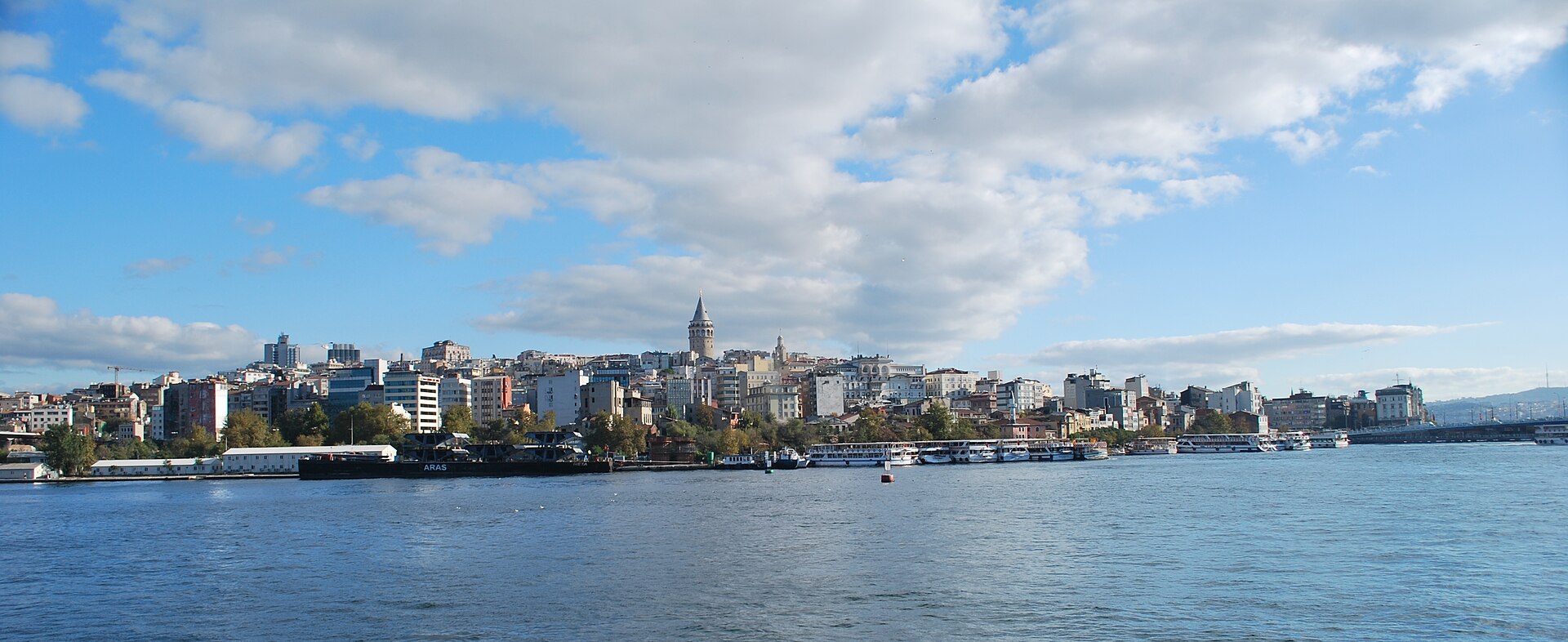
Istanbul ranks by far first in the provincial distribution of foreigners with residence permits. Nearly half of the foreigners in Türkiye, 631,002 people, live in Istanbul. Antalya ranks second with 131,406 residents, followed by Ankara with 82,281.
They are followed by Bursa (50,270), Mersin (49,099), Izmir (33,893), Muğla (23,750), Kocaeli (19,996), Konya (18,145) and Sakarya (16,621).
Siirt has the smallest foreign resident population, with 284 people. It is followed by Tunceli (285), Muş and Bitlis (289 each), Hakkari (358), Bingöl (380), Ardahan (491) and Sinop (598).
Turkmenistan nationals rank first
Turkmenistan ranks well ahead of other countries by nationality, with 222,136 people. Azerbaijan ranks second with 96,735, followed by Syria with 90,556.
The remaining countries in the top 10 are Russia (78,953), Iran (76,876), Uzbekistan (72,270), Afghanistan (67,882), Iraq (53,953), Egypt (48,035) and Kazakhstan (41,232).
Distribution by permit type
Syrian nationals rank first among short-term residence permit holders, with 68,200 people. These permits are issued for purposes such as tourism, work or medical treatment. Turkmenistan ranks second with 58,432, followed by Iraq with 38,811.
Among family residence permit holders, issued for reasons such as marriage or family reunification, Uzbekistan ranks first with 20,071 people. Turkmenistan (19,661), Russia (16,892), Azerbaijan (13,652) and Morocco (10,991) complete the top five.
These figures do not include Syrians under temporary protection or people who have applied for international protection.
Stay Updated with The Turkiye Times
Subscribe to be informed about special news, developments and announcements. We will keep you informed.
By signing up, you agree to our Privacy Policy