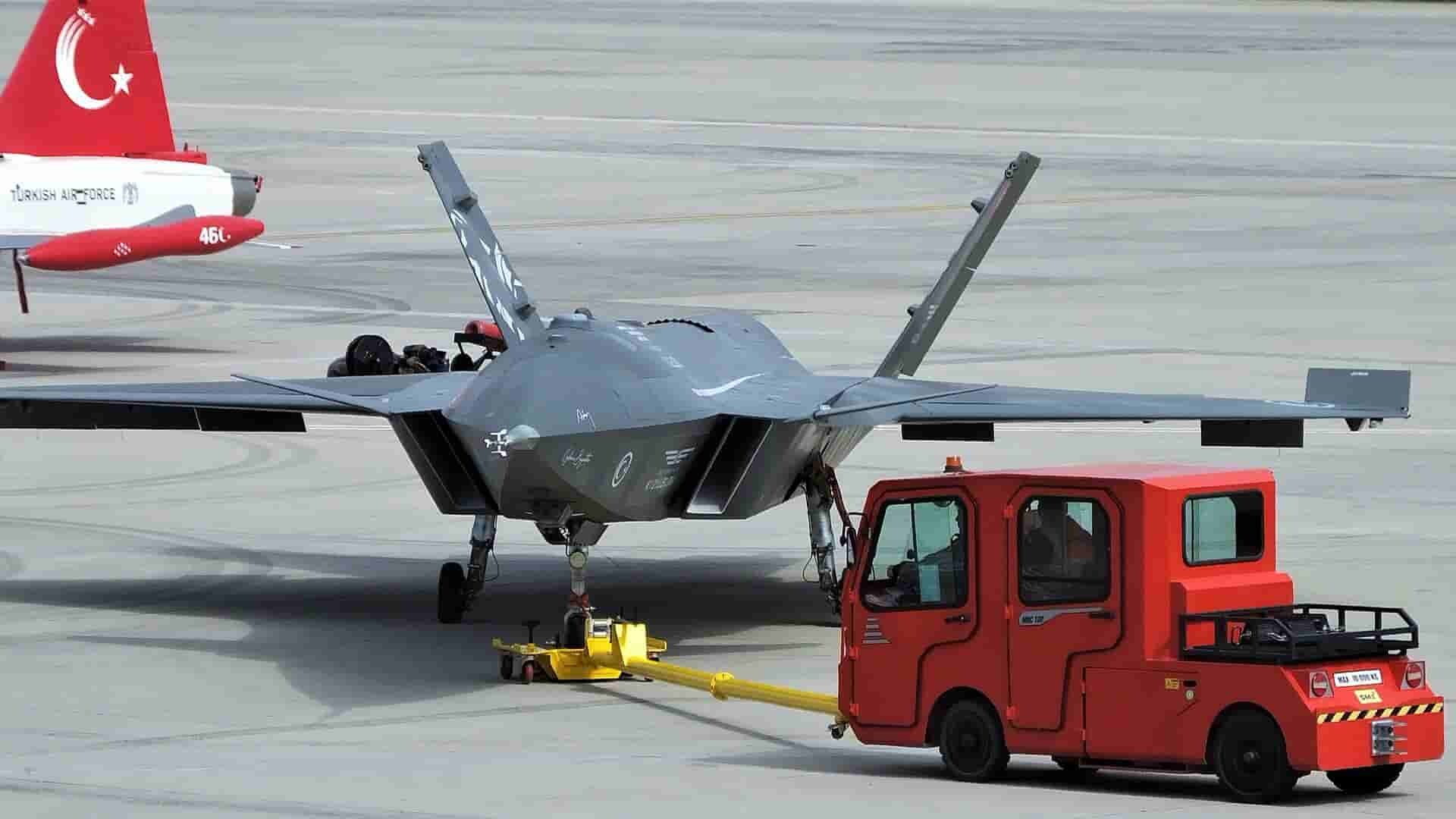
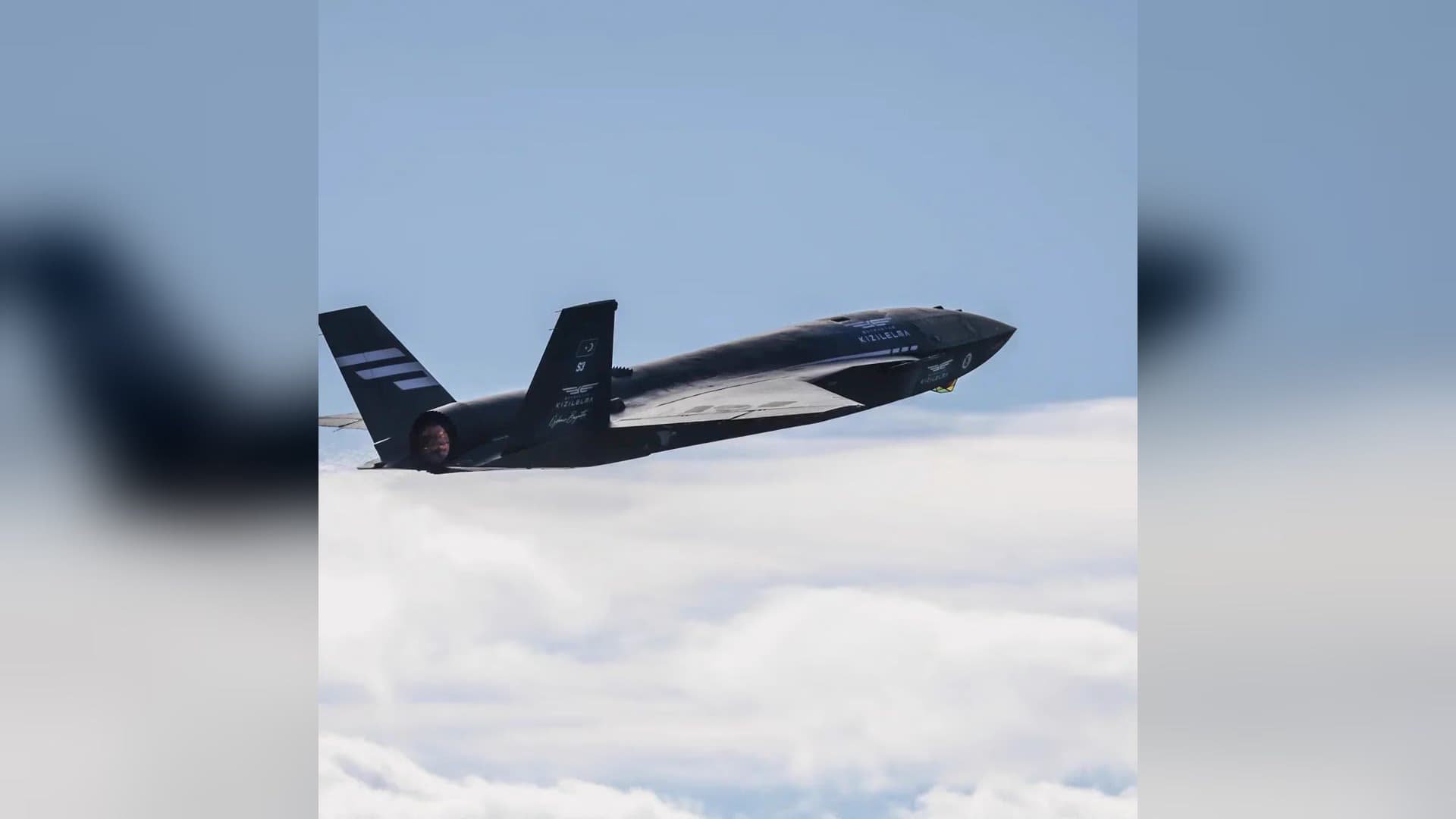
The War Zone (TWZ), one of the leading US defense publications, described the entry into service of the Bayraktar KIZILELMA, developed by Baykar, as “an important turning point in the transformation of modern air combat.” The War Zone said KIZILELMA laid the foundation for the next-generation unmanned fighter category being developed by the United States, China and Europe.
After completing acceptance tests, the first three KIZILELMA aircraft were delivered to the Turkish security forces at a ceremony. Baykar announced that this marked the first time an unmanned fighter aircraft had entered operational service anywhere in the world. Approximately 600 test and training flights were conducted under the program.
“A concept different from classic UCAVs”
In its analysis, TWZ said KIZILELMA’s significance went beyond whether it was “a world first,” because it belongs to an emerging category that increasingly does not fit the conventional definition of an unmanned combat aerial vehicle (UCAV). Unlike traditional UCAVs, KIZILELMA was designed for fighter aircraft missions, including air-to-air combat.
According to the analysis, KIZILELMA occupies a position between the classic UCAV concept and “collaborative combat aircraft” planned to fly alongside manned fighter jets. In addition to air-to-air missions, it is also expected to undertake air-to-ground missions and eventually become part of manned-unmanned teaming operations.
Closer to a light fighter aircraft
According to data cited by TWZ, KIZILELMA has a maximum speed of Mach 0.9, a cruising speed of Mach 0.6 and a payload capacity of approximately 1.5 tons. The aircraft has an endurance of more than three hours, an approximate mission radius of 500 nautical miles and a service ceiling of 40,000 feet. The publication wrote that these features make KIZILELMA more comparable to a light fighter aircraft than to most existing UCAVs.
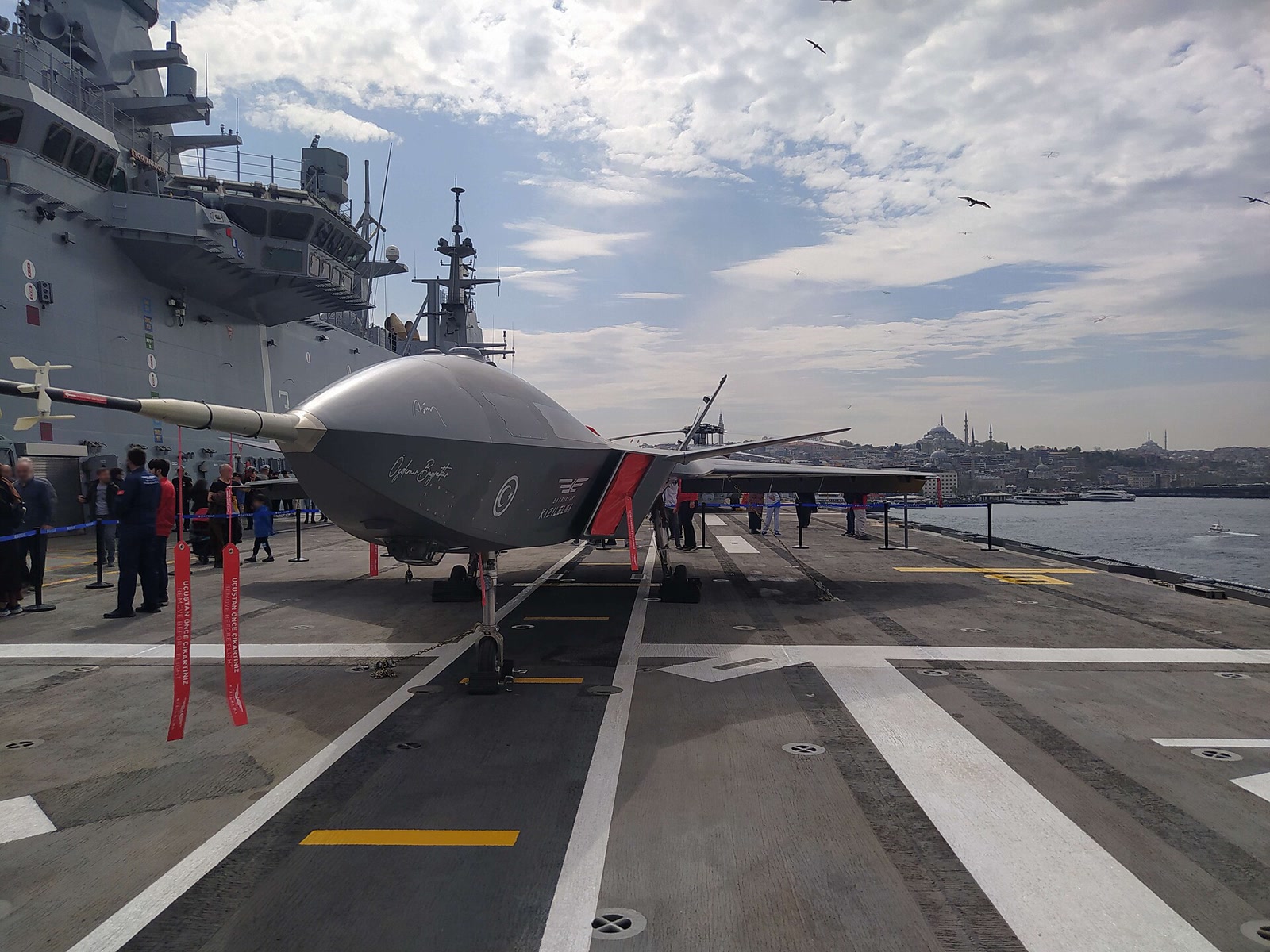
One of the program’s most important milestones came in November 2025, when KIZILELMA struck a target detected by Aselsan’s MURAD AESA radar using a domestically produced beyond-visual-range air-to-air missile. The aircraft conducted an autonomous formation flight in December 2025 and flew in formation with Italian M-346 aircraft in May 2026. Baykar is also working on a naval version capable of taking off from ships with short runways.
The United States, China and Europe are in the same race
TWZ recalled that the US Air Force is pursuing a similar objective through its Collaborative Combat Aircraft (CCA) program, although the American concept is built entirely around operations alongside manned aircraft. It noted that the People’s Liberation Army Air Force inducted the GJ-11 into service in November 2025, but that the aircraft is a more conventional UCAV focused on range, payload and low observability rather than fighter aircraft performance.
The publication said European manufacturers, led by Sweden’s Saab, are also working on autonomous combat aircraft and stressed that Baykar is one of the companies to enter the “unmanned fighter aircraft” field at an early stage.