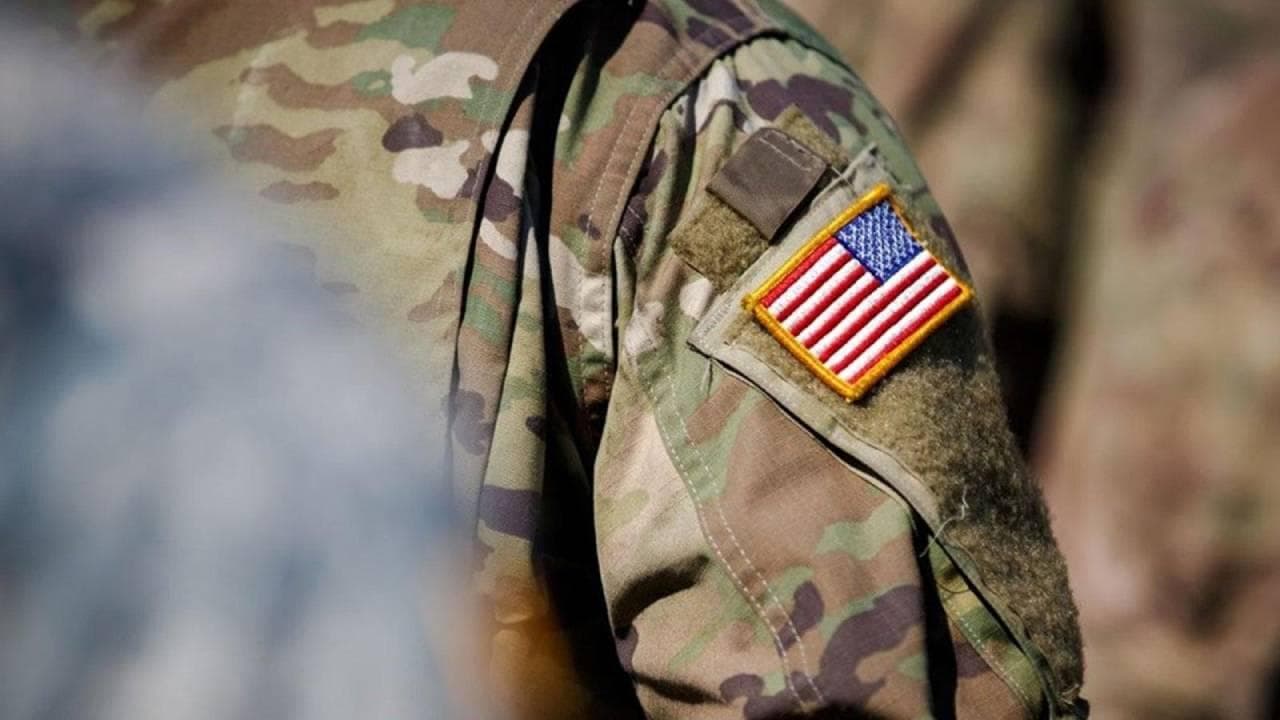
The US has begun quietly withdrawing troops from Eastern Europe, causing concern among NATO allies. Estonian Defense Minister Hanno Pevkur told local journalists before heading to this month's NATO summit in Ankara, Turkey, that several hundred US troops deployed to his country during the winter had been pulled out, with no clear indication of when or if they would return.
Pevkur had stated in May that US forces would remain in Estonia, but added that nothing could be guaranteed due to recent uncertainties. He now noted that the US troop count had dropped below 100, equivalent to one-sixth of the tank units stationed during the winter.
According to officials from the Baltic states and Poland, this pullout was a direct result of the Trump administration's unexpected cancellation last month of the planned deployment of around 5,000 troops to Poland. The decision surprised the Warsaw government and many soldiers who were preparing for the deployment. The cancellation also caused about a thousand troops to leave Lithuania in June without replacements arriving.
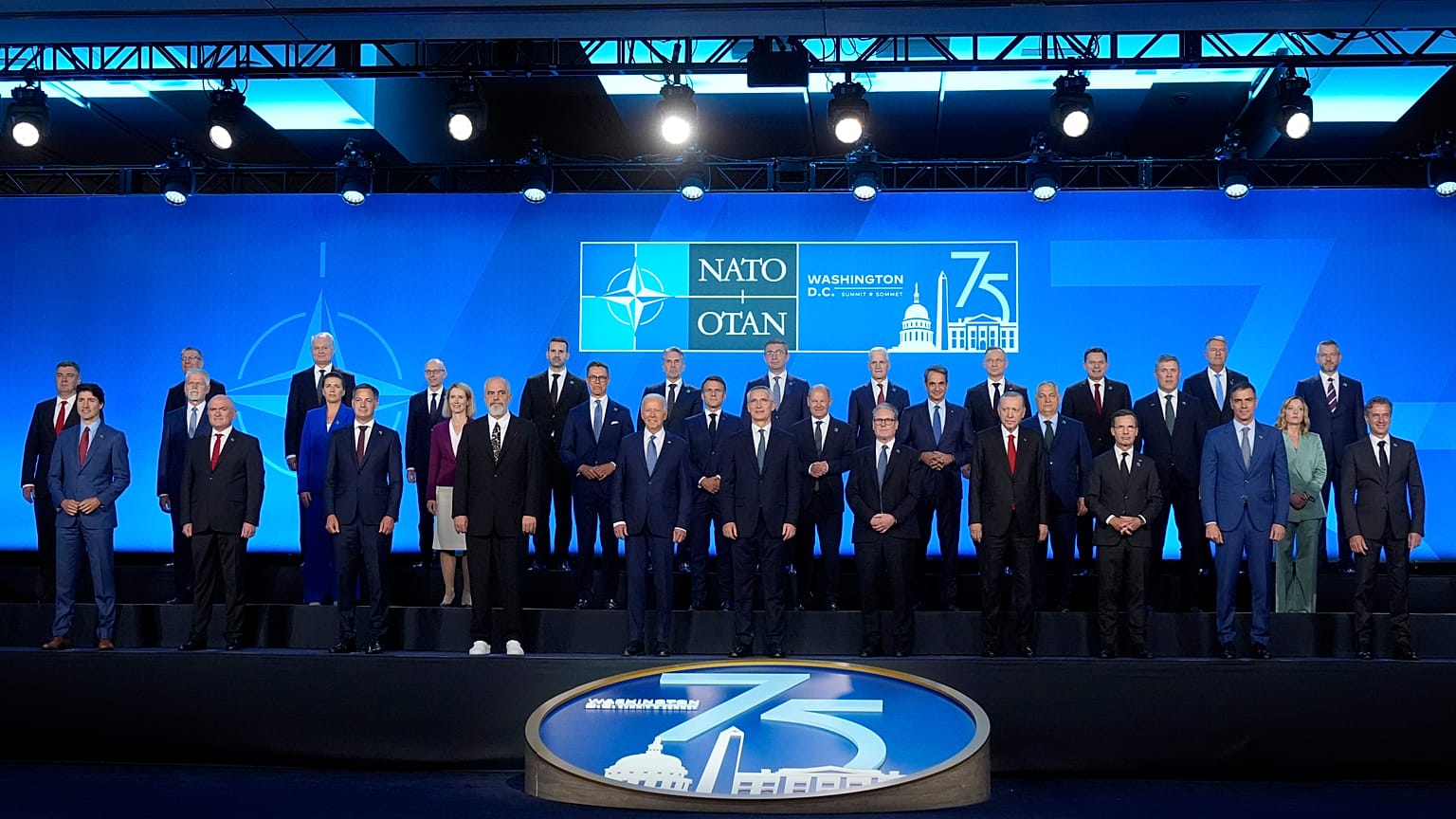
At the NATO summit in Ankara, delegates from the Baltic states and Poland wore badges of the "5 percent club" for meeting the alliance's defense spending target. These countries believed this status would secure them permanent US military support. NATO Secretary General Mark Rutte hailed the summit as a success, citing new defense agreements and Europe's increased spending. However, commitments such as the $50 billion long-range missile consortium involving 12 countries will take years to materialize.
US Defense Secretary Pete Hegseth and Pentagon policy chief Elbridge Colby emphasized the "NATO 3.0" approach, which argues that priority must be given to a rising China and that Europe must do far more to defend itself. Even leaders skeptical of Trump, such as Canadian Prime Minister Mark Carney, praised the US president for pushing NATO members to increase spending.
Concerns Behind the Strategic Shift
As concerns grow that Moscow may retaliate following Ukraine's long-range drone and missile strikes on Russian territory, the US is withdrawing from the most vulnerable areas. According to AI-powered analyses, the probability of a lethal conflict between Russia and a NATO member state by the end of 2026 is calculated at 18 percent. Speaking at a Chatham House conference last week, former UK Armed Forces Minister Al Carns said the strategic situation is the most dangerous since the 1962 Cuban missile crisis.
Still, most analysts and officials believe Russia is more likely to continue its "hybrid war" campaign rather than direct military action.
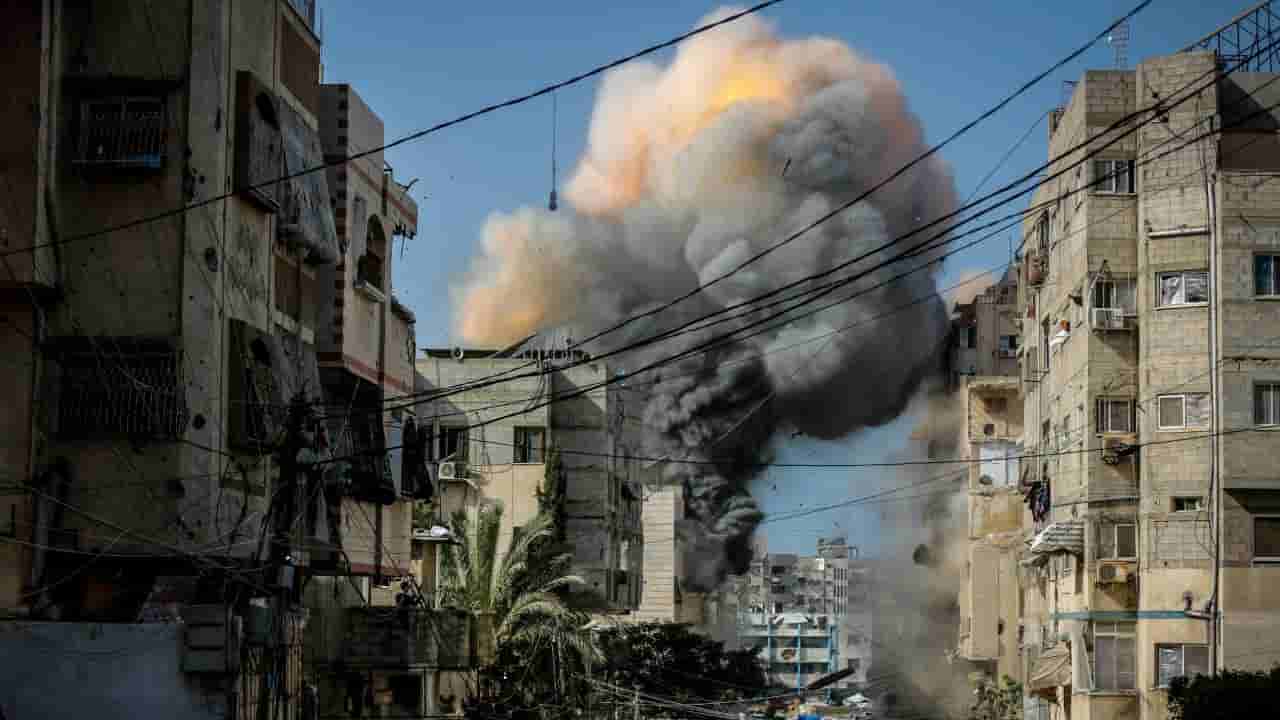
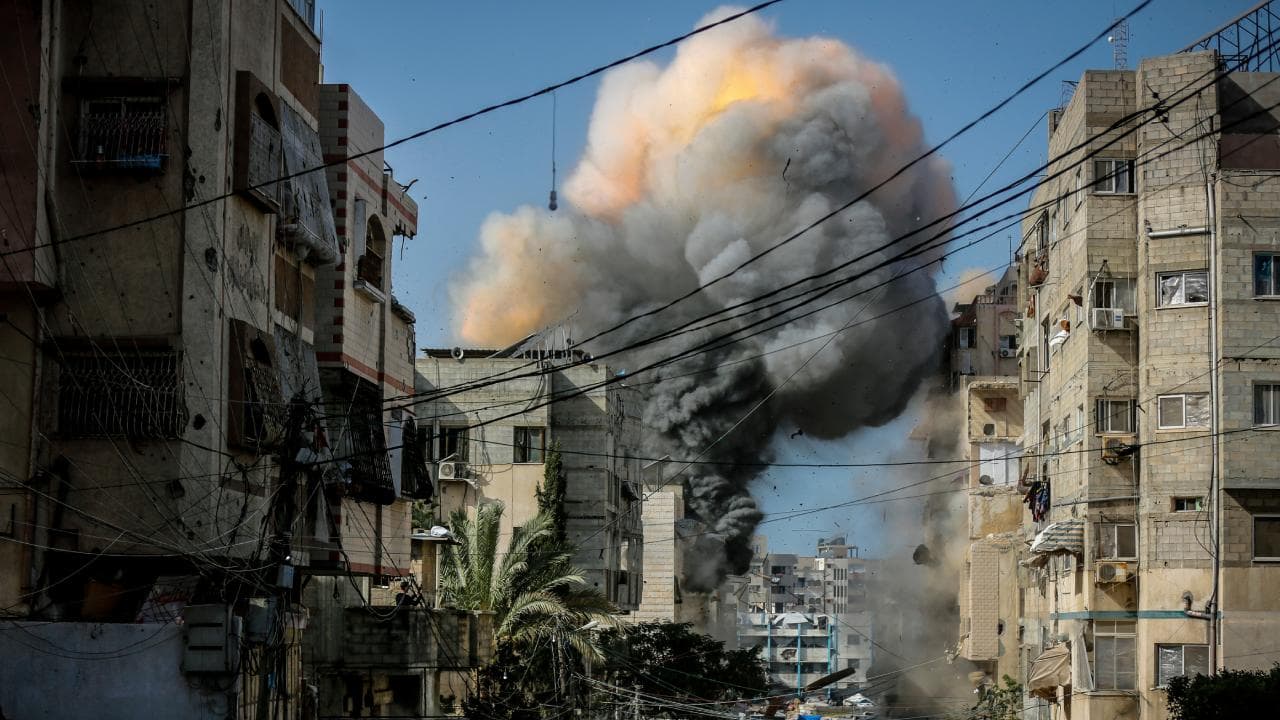
In the Middle East, the US also began evacuating personnel from forward bases in mid-January to reduce tensions. Most observers believe that with a full withdrawal from Syria and a partial pullout from Iraq, the US will no longer maintain significant numbers of personnel or equipment in countries like Qatar and Kuwait. The coordination role of the Coalition Air Operations Center at Al Udeid Air Base in Qatar has been moved to the US. Washington now prefers to deploy drones and aircraft from safer locations such as Jordan, Israel, Turkey, and mainland Europe.
Similar dynamics are unfolding in the Pacific. Traditional allies such as Japan, Australia, South Korea, Taiwan, and the Philippines are concerned about the possibility of at least a partial US withdrawal from the region. Some strategists argue that bases in Okinawa and Guam would be too exposed to a Chinese attack. Instead, they propose deploying mobile units equipped with long-range missiles like ATACMS that could threaten the Chinese mainland and ships.
German Air Force Commander Holger Neumann said Europe needs to increase its purchases of US weapons. German officials believe the greatest threat will come in 2029. However, those who hoped that US troops would serve as a "tripwire" in the region for deterrence are now facing the reality that this approach may no longer work.