- BIST10012,238+0.72%
- USD49.34+0.24%
- EUR55.21-0.01%
- GOLD4,208.90+0.44%
- INTEREST37.00%-1.00
- BITCOIN83,386+2.00%
- October 13, 202619°
- BIST10012,238+0.72%
- USD49.34+0.24%
- EUR55.21-0.01%
- GOLD4,208.90+0.44%
- INTEREST37.00%-1.00
- BITCOIN83,386+2.00%
- October 13, 202619°
A 7.4-magnitude earthquake strikes Colombia, killing at least 82 people.
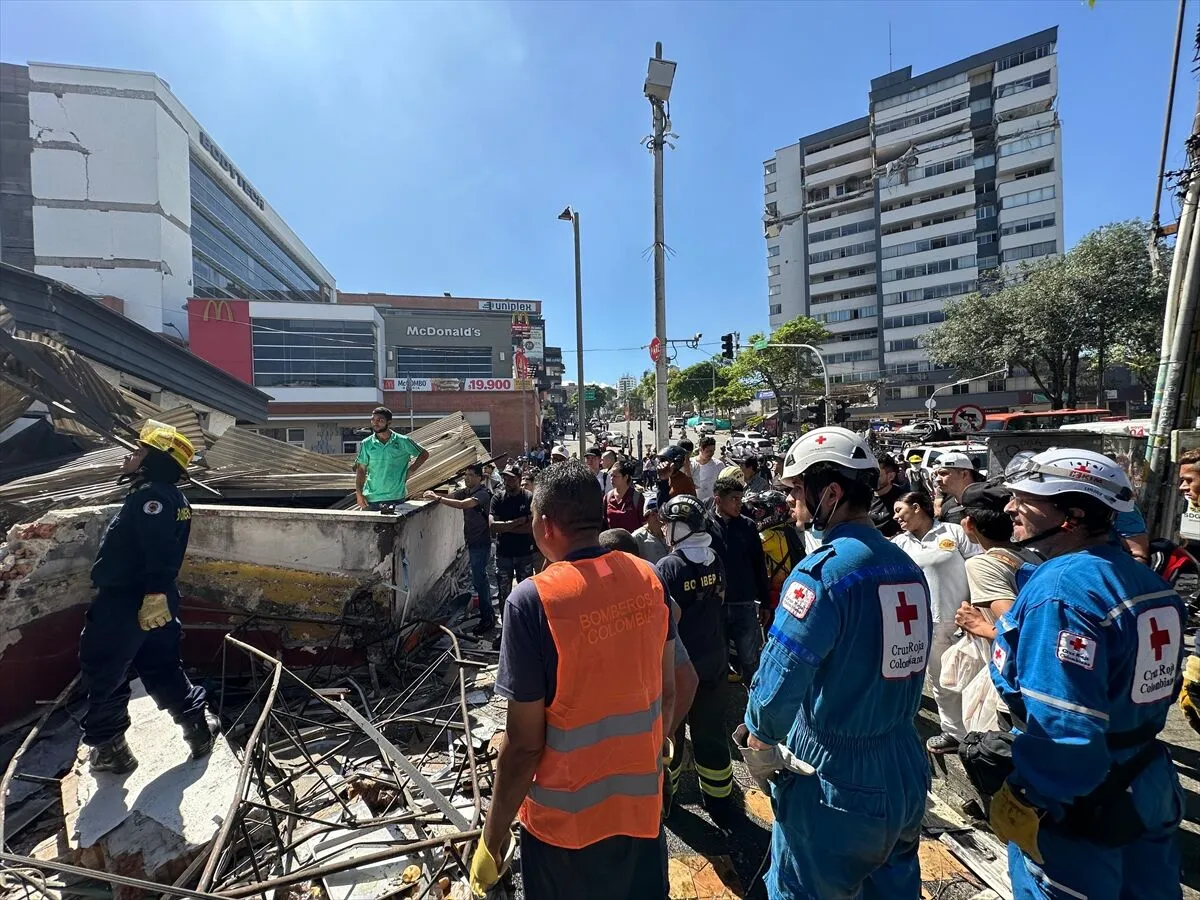
A 7.4-magnitude earthquake that struck western Colombia has killed at least 82 people. The powerful quake near the Chocó region caused damage in numerous cities, while teams continue search-and-rescue operations in the debris of collapsed buildings.


A 7.4-magnitude earthquake in Colombia caused extensive damage and loss of life in the western part of the country. At least 82 people have died in the disaster, while many others were injured.
Search-and-rescue operations continue in the affected areas. Teams are trying to reach people who may be trapped beneath the rubble of collapsed or heavily damaged structures.
According to data from the United States Geological Survey (USGS), the earthquake occurred near San José del Palmar in Colombia's western Chocó region. The 7.4-magnitude quake struck at an estimated depth of 107 kilometers.
Death toll rises after Colombia earthquake
The initial death toll announced after the earthquake was lower. However, the number of fatalities rose as rescue teams reached damaged settlements and debris-clearing operations progressed.
Initial reports put the number of dead at 71, while later updates raised the death toll to at least 82.
Officials say the operations have not yet been completed and that the final death toll may change.
Risaralda was among the areas that suffered heavy losses. The latest information from the region put the number of dead at 42.
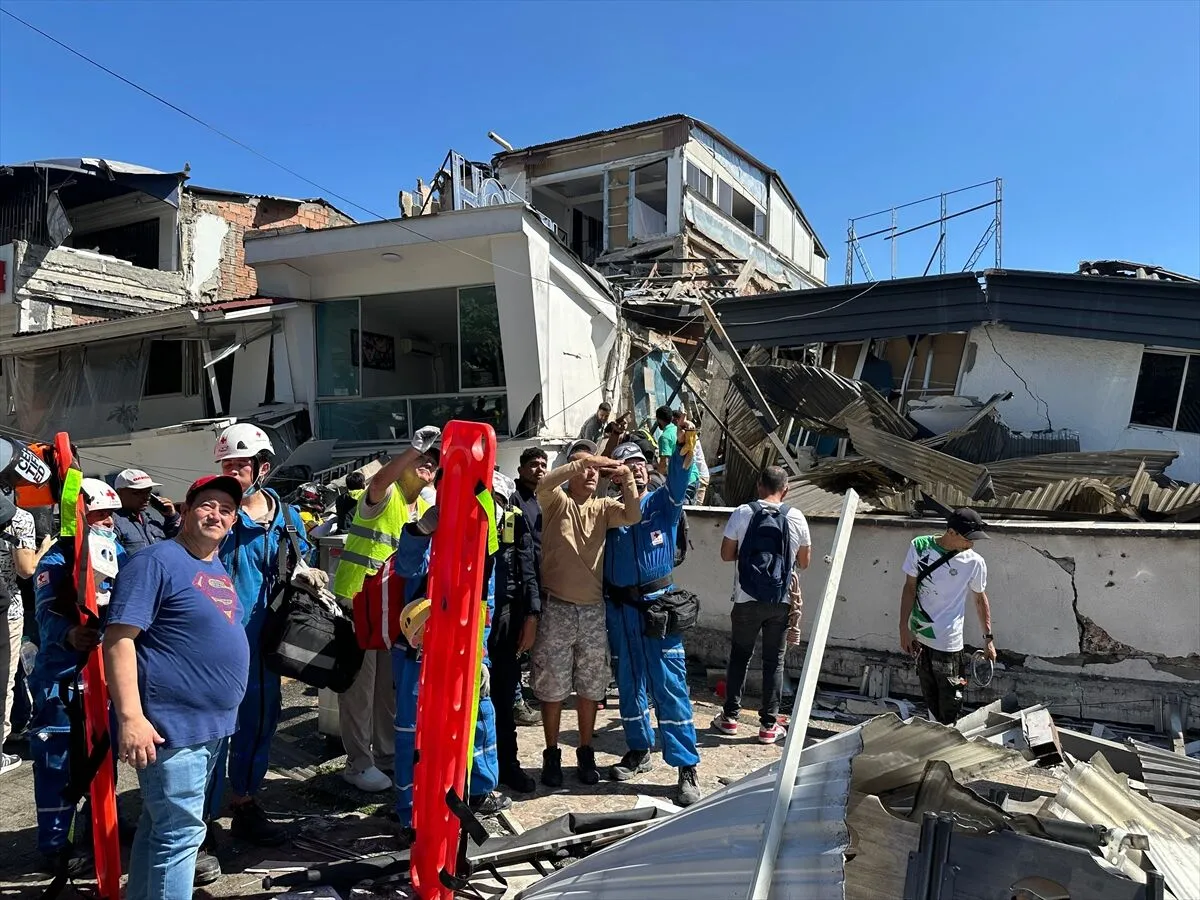
Earthquake causes damage in numerous cities
The 7.4-magnitude earthquake caused serious damage, particularly in settlements in western Colombia.
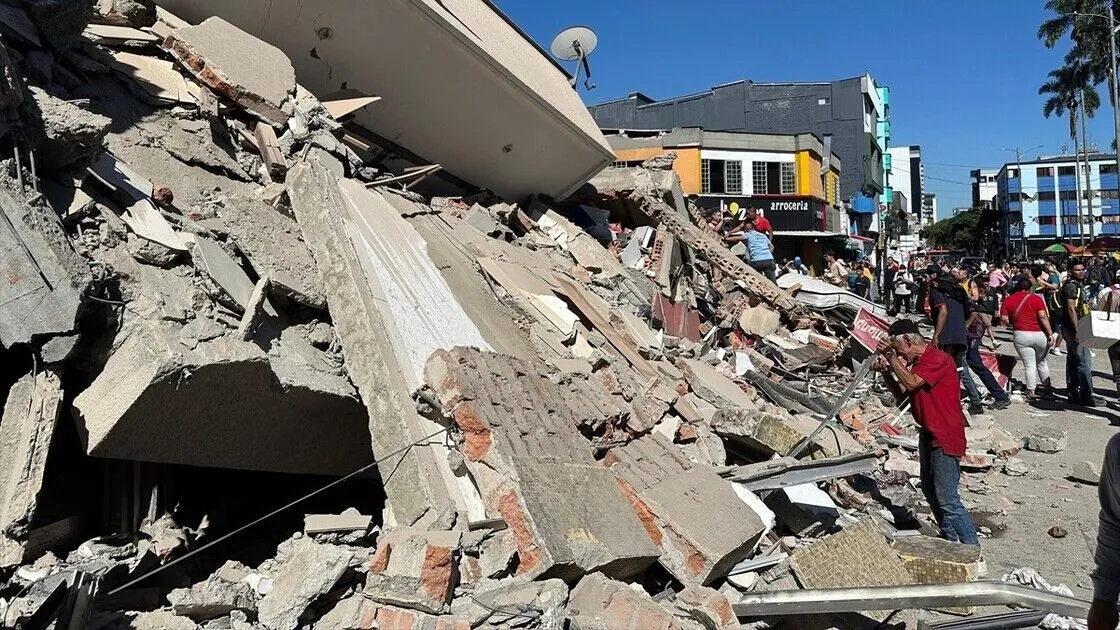
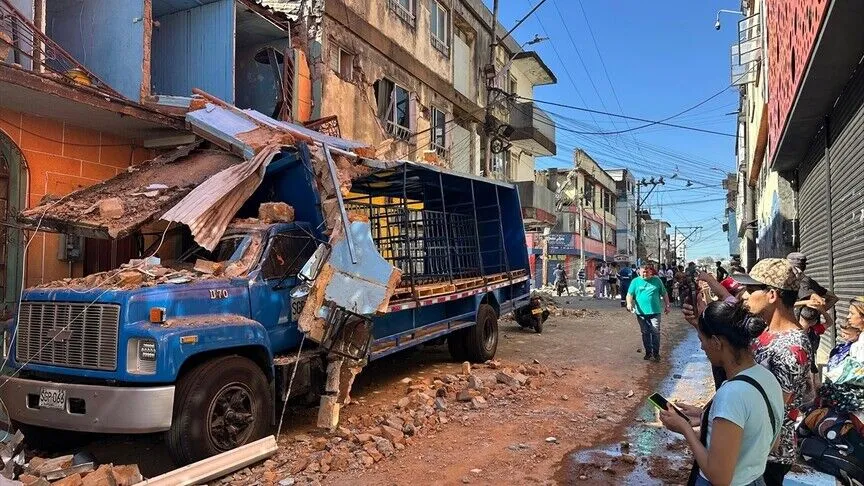
Some buildings completely collapsed, while many structures sustained damage that left them unusable.
Pereira and its surrounding area were among the locations heavily affected by the earthquake. Buildings also collapsed and extensive damage occurred in Cali, one of the country's largest cities.
Deaths, injuries and building damage were also reported in Quibdó, the capital of the Chocó region.
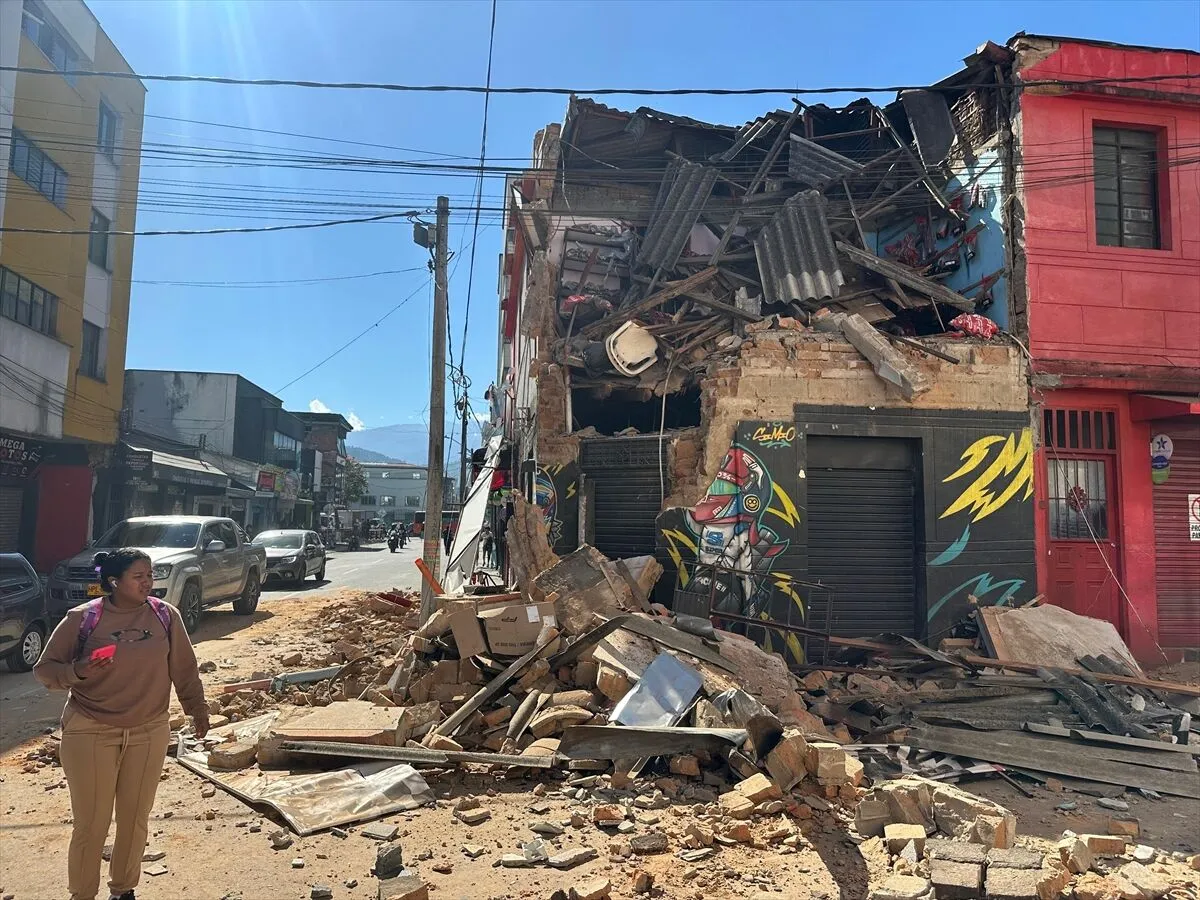
Quake felt from Bogotá to Medellín
The impact of the Colombian earthquake was not limited to areas near its epicenter.
The powerful tremor was felt in major cities including the capital Bogotá, as well as Medellín, Cali, Pereira and Manizales.
During the earthquake, many people left their homes and workplaces and moved to open areas.
The quake's magnitude and depth are considered to have contributed to the wide area in which it was felt.
No tsunami threat was reported after the earthquake, while people were warned not to enter damaged structures because of aftershocks.
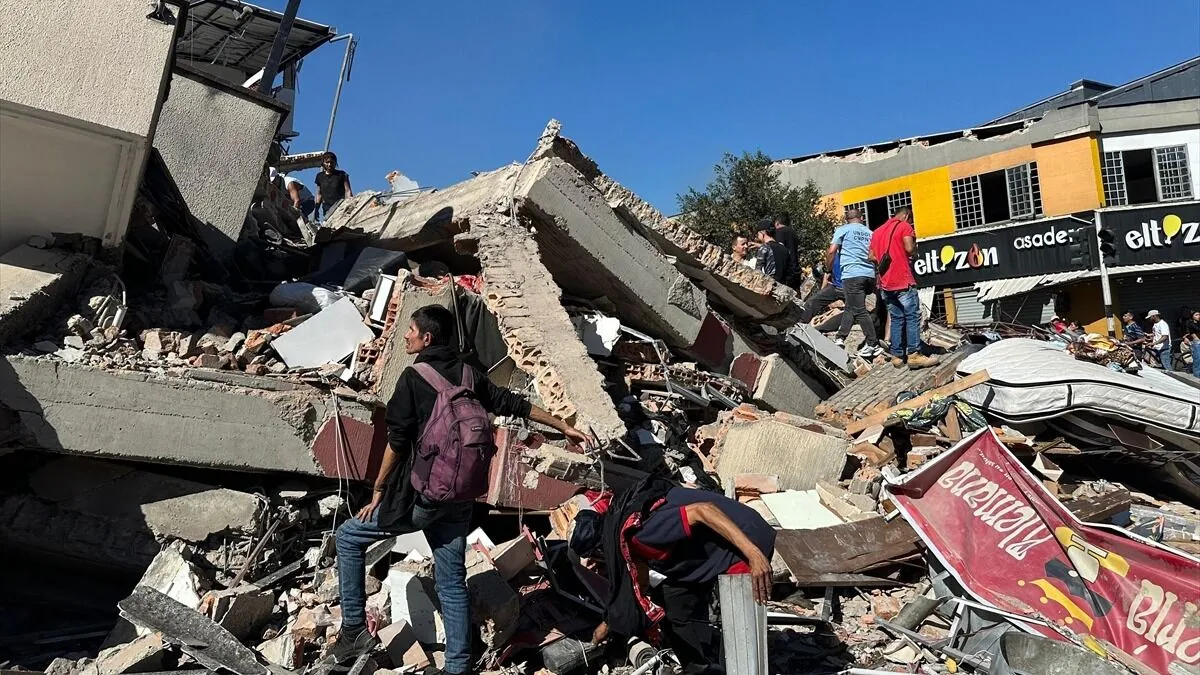
Search-and-rescue teams work in areas covered by debris
A large-scale search-and-rescue operation was launched in Colombia after the earthquake.
Firefighters, police officers, military units, medical teams and other emergency personnel were deployed to areas where the damage was heaviest.
Rescue teams are prioritizing efforts to reach people trapped beneath collapsed buildings.
Damage to roads and communications infrastructure in some areas is complicating the teams' work, while injured people are being transported to hospitals by ambulances and other emergency vehicles.
Ongoing aftershocks pose a risk both to residents and to rescue personnel working in the debris.
Earthquake also disrupts air travel
The major earthquake in Colombia also caused disruptions to transport infrastructure.
Civil aviation officials temporarily suspended flight operations at some airports to allow safety checks to be carried out.
Inspections began to identify possible earthquake damage to airport buildings, runways and other critical infrastructure.
Officials are working to restore flights to normal once the necessary checks are completed and the facilities are deemed safe.
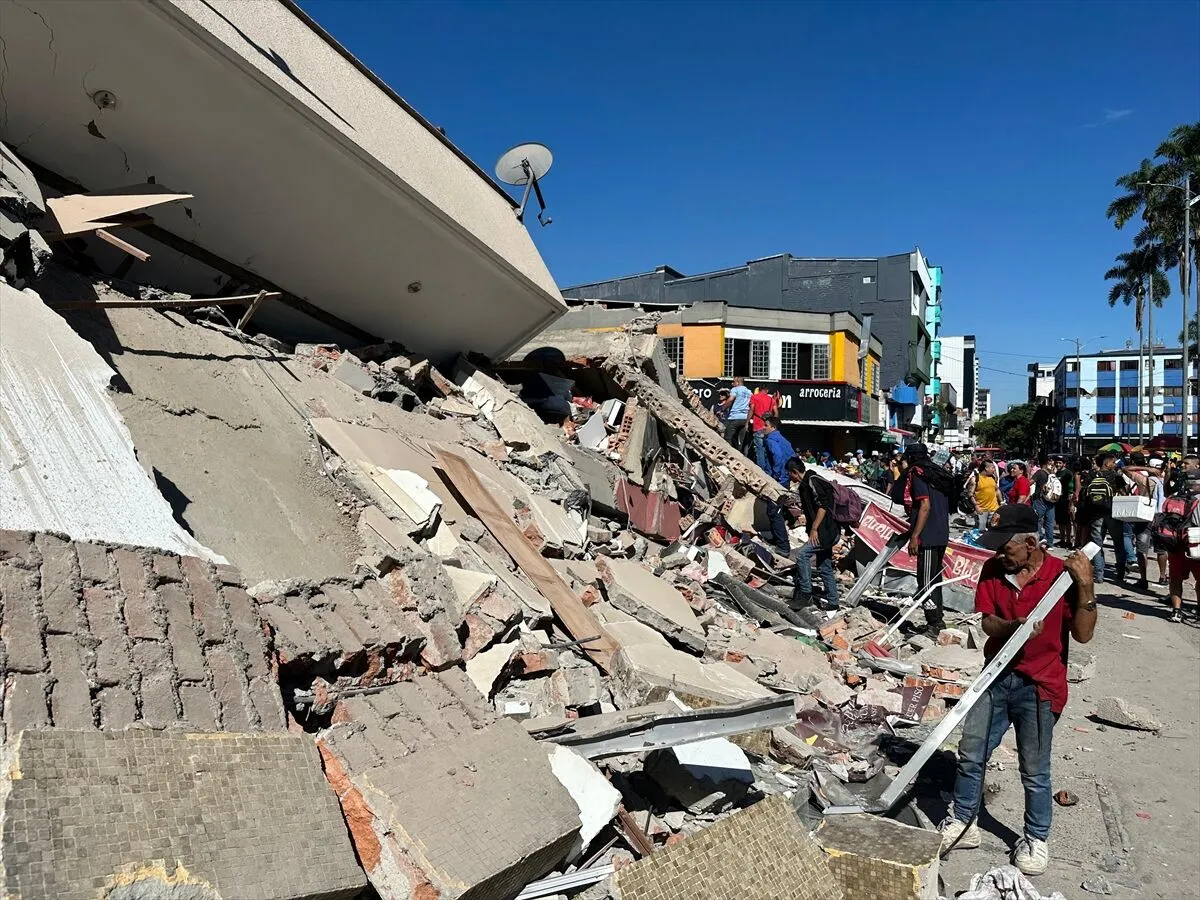
Colombia declares national disaster situation
In response to the extensive damage caused by the earthquake, Colombia's administration expanded its disaster response nationwide.
A national disaster situation was declared, directing state institutions' resources toward operations in the affected areas.
In addition to search-and-rescue activities, work is underway to provide shelter and essential support for people who lost their homes or cannot return to residences because of structural damage.
Medical teams continue treating the injured, while local and central government units have begun damage assessments.
Warning issued over aftershocks
Aftershocks following the main earthquake are increasing the danger posed by heavily damaged structures in the region.
Officials asked residents not to enter damaged buildings and to follow the instructions of emergency teams.
Warnings have been issued that further aftershocks could cause additional collapses in areas with extensive structural damage.
Search-and-rescue teams are continuing their work in the debris while taking the risk of aftershocks into account.
Concerns grow that the death toll could rise
Search-and-rescue and damage-assessment operations are expected to be completed before the final toll from Colombia's 7.4-magnitude earthquake becomes clear.
At least 82 people have died, according to the latest figures. However, there are concerns that the death toll could rise as people trapped beneath the rubble are located and operations continue in some areas.
While officials work to reach missing people, aid operations continue to meet earthquake survivors' shelter, healthcare, food and other essential needs.
The scale of the earthquake disaster in Colombia is expected to become clearer as teams reach remote settlements and damage assessments progress.
Stay Updated with The Turkiye Times
Subscribe to be informed about special news, developments and announcements. We will keep you informed.
By signing up, you agree to our Privacy Policy