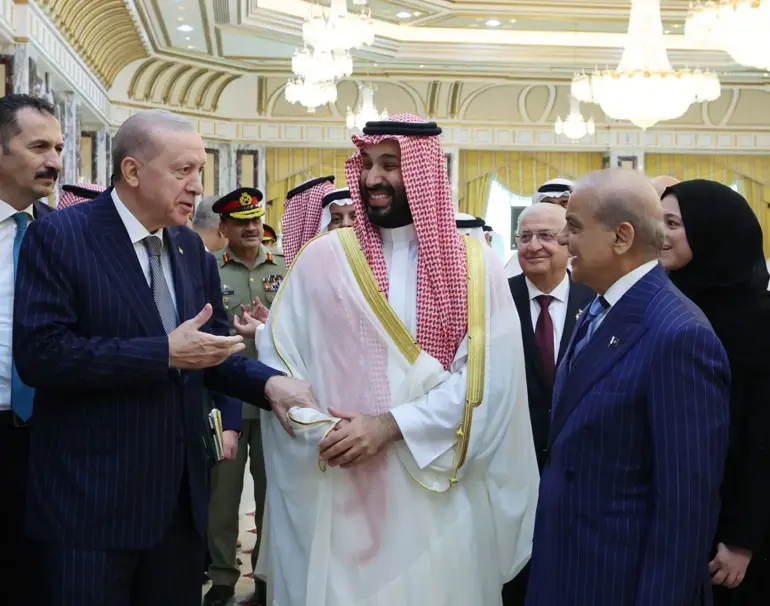
Türkiye, Saudi Arabia and Pakistan sign Mecca defense agreement
Türkiye, Saudi Arabia and Pakistan signed a joint defense agreement. Pakistan’s Ministry of Foreign Affairs said the agreement aims to strengthen regional peace, security and stability, and announced that an armed attack against any one of the three countries will be considered an attack against all of them.
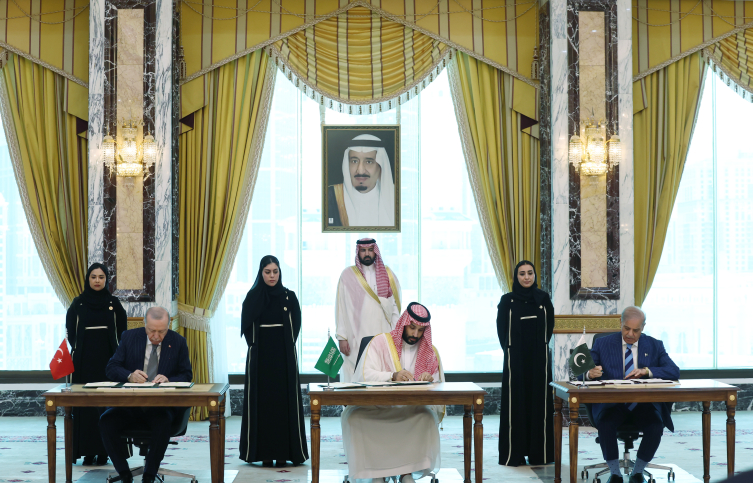
During President Erdoğan’s one-day working visit to Saudi Arabia, Türkiye, Saudi Arabia and Pakistan signed the historic Mecca Joint Defense Agreement, which will reshape the regional security architecture.
The agreement, reached after long-term diplomatic efforts based on the principle of regional ownership, aims to combine the defense capabilities of the three countries and contribute to global peace. “An attack against one will be considered an attack against all.”
The agreement’s most critical provisions include strengthening collective deterrence. Based on the right to self-defense under Article 51 of the United Nations (UN) Charter, the agreement stipulates that an armed attack against any of the three signatory states will be considered an attack against all of them.
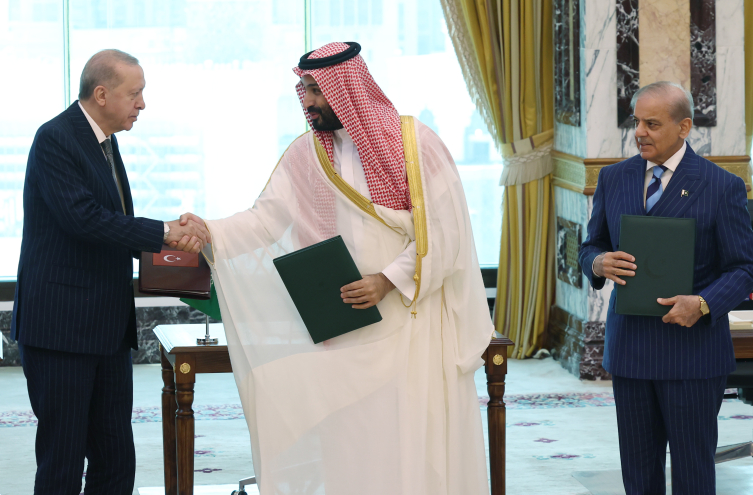
The Mecca Agreement establishes defense-focused cooperation. It does not target any country and is based on burden-sharing and a shared security approach while keeping existing channels of dialogue open.
Strategic partnership in the defense industry and the goal of a “terror-free region”
In addition to military operational cooperation, the agreement envisages deep integration in the defense industry. The arrangement aims to improve interoperability among the military units of the three countries and will make a strategic contribution to the goal of a “Terror-Free Region” aimed at ensuring regional stability.
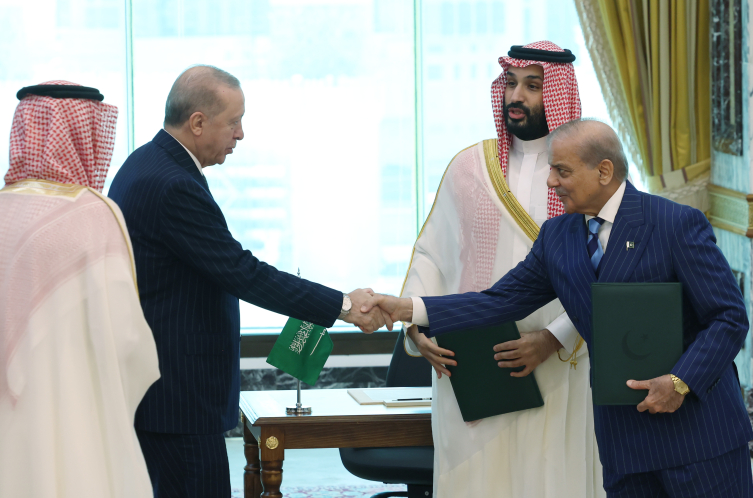
The document emphasizes that this partnership is not an offensive military front or an attempt at encirclement, but rather a mechanism that supports regional peace.
Complementary to Türkiye’s NATO membership
The agreement, described as a strategic turning point for Türkiye, is not an alternative to the country’s NATO membership or other regional partnerships; rather, it was described as a structure that complements these obligations.
The agreement is expected to bring several strategic gains for Türkiye, including enhancing the security of global maritime trade routes and thereby accelerating export and energy supply processes.
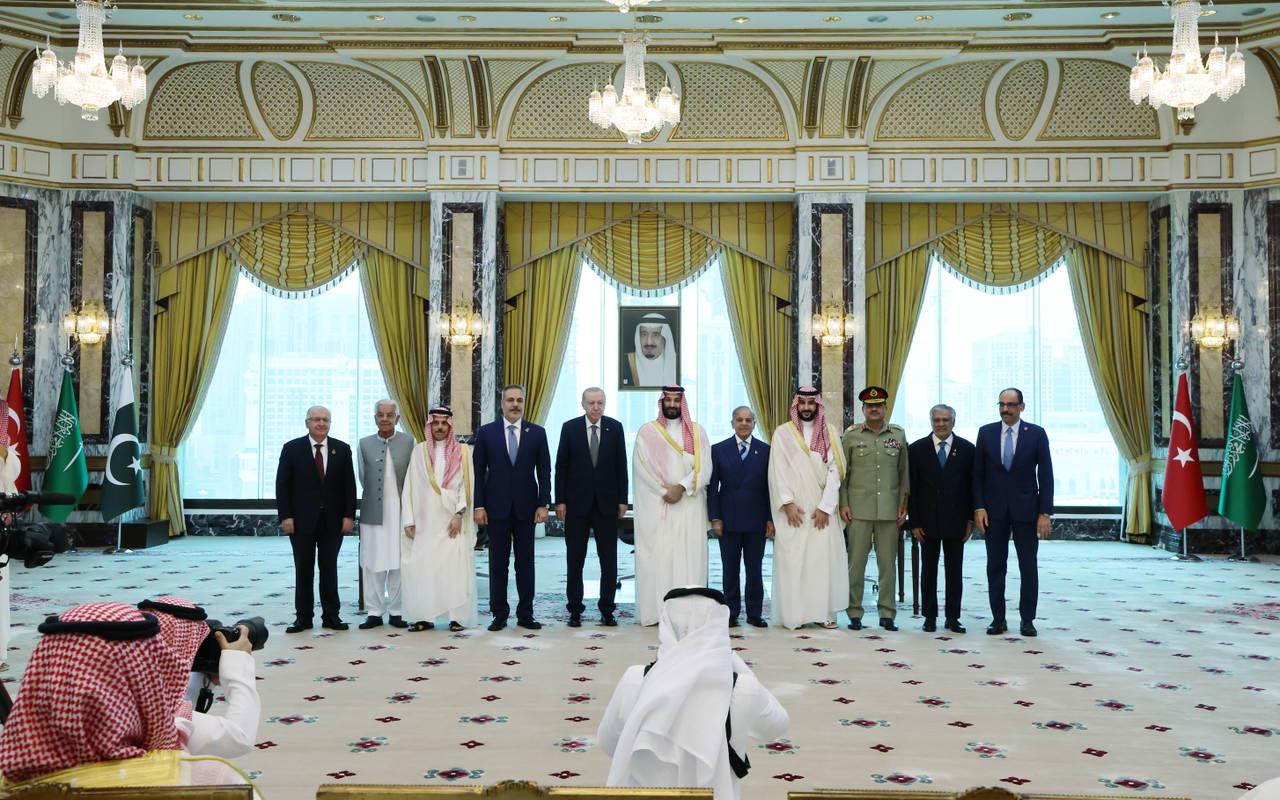
Through this cooperation, which enables Türkiye to combine its regional influence and experience with those of other major actors in the region, the agreement also envisages protecting economic stability and strengthening energy security to the highest level.
“The deployment of Turkish troops depends on national decision-making mechanisms.”
The agreement’s briefing note specifically states that participation in the agreement does not mean Turkish troops will automatically be deployed to every regional crisis. Decisions on the use of force and military operations will continue to be made within the framework of the constitutional order of the Republic of Türkiye and national decision-making mechanisms.
A line of brotherhood from Anatolia to the Hejaz
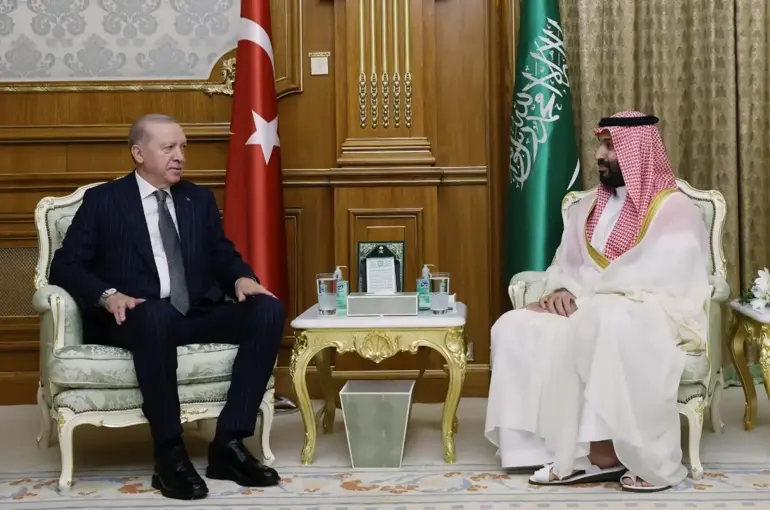
The text also highlights the agreement’s humanitarian and historical dimensions, stating: “The line of brotherhood extending from Anatolia to the Hejaz and from Islamabad to Riyadh represents the will of peoples united by common values and standing by one another in difficult times.”
It emphasizes that relations between Türkiye, Pakistan and Saudi Arabia are based not only on interstate interests but also on shared history, faith and solidarity, and that the signed agreement is the contemporary strategic expression of a historic responsibility.