- BIST10011,131-3.02%
- USD50.47+0.05%
- EUR55.46+0.20%
- GOLD3,525.90-4.33%
- INTEREST36.00%-1.00
- BITCOIN58,969-4.74%
- November 20, 202617°
- BIST10011,131-3.02%
- USD50.47+0.05%
- EUR55.46+0.20%
- GOLD3,525.90-4.33%
- INTEREST36.00%-1.00
- BITCOIN58,969-4.74%
- November 20, 202617°
China tells Takaichi: Taiwan commitments must become action
Chinese Foreign Ministry spokesperson Guo Jiakun responded to Japanese Prime Minister Sanae Takaichi’s statement that Japan’s position on Taiwan had not changed since 1972. Guo said Tokyo’s priority should be to promptly correct its “wrong words and actions” regarding Taiwan.


Chinese Foreign Ministry spokesperson Guo Jiakun answered a question on Friday at a regular press conference in Beijing about a statement made by Japanese Prime Minister Sanae Takaichi after the APEC summit in Shenzhen. On Thursday, Takaichi told reporters that the Japanese government’s basic position on Taiwan was the one set out in the 1972 Japan-China Joint Communiqué and that there had been “no change whatsoever” in that position.
Guo said compliance with the four political documents between the two countries was a political responsibility and legal obligation that Japan had to fulfill. Emphasizing that this should be reflected not only in statements but also in actions, the spokesperson said, “What is urgent for Japan now is to promptly correct its wrong words and actions on the Taiwan issue. What matters is adopting the right attitude toward historical issues, while the key is to view China with a truly objective and rational perspective.”
Tensions began with remarks made a year earlier
The crisis between the two countries began when Takaichi said in parliament in November 2025 that a Chinese attack on Taiwan could threaten Japan’s survival and prompt a military response. Reuters reported that China, Japan’s largest trading partner, subsequently restricted exports to Japan of critical minerals used in numerous sectors, from automobiles to chips. At a press conference on Thursday, Takaichi declined to answer whether Japan would intervene in a possible conflict in Taiwan, calling the question “hypothetical.”
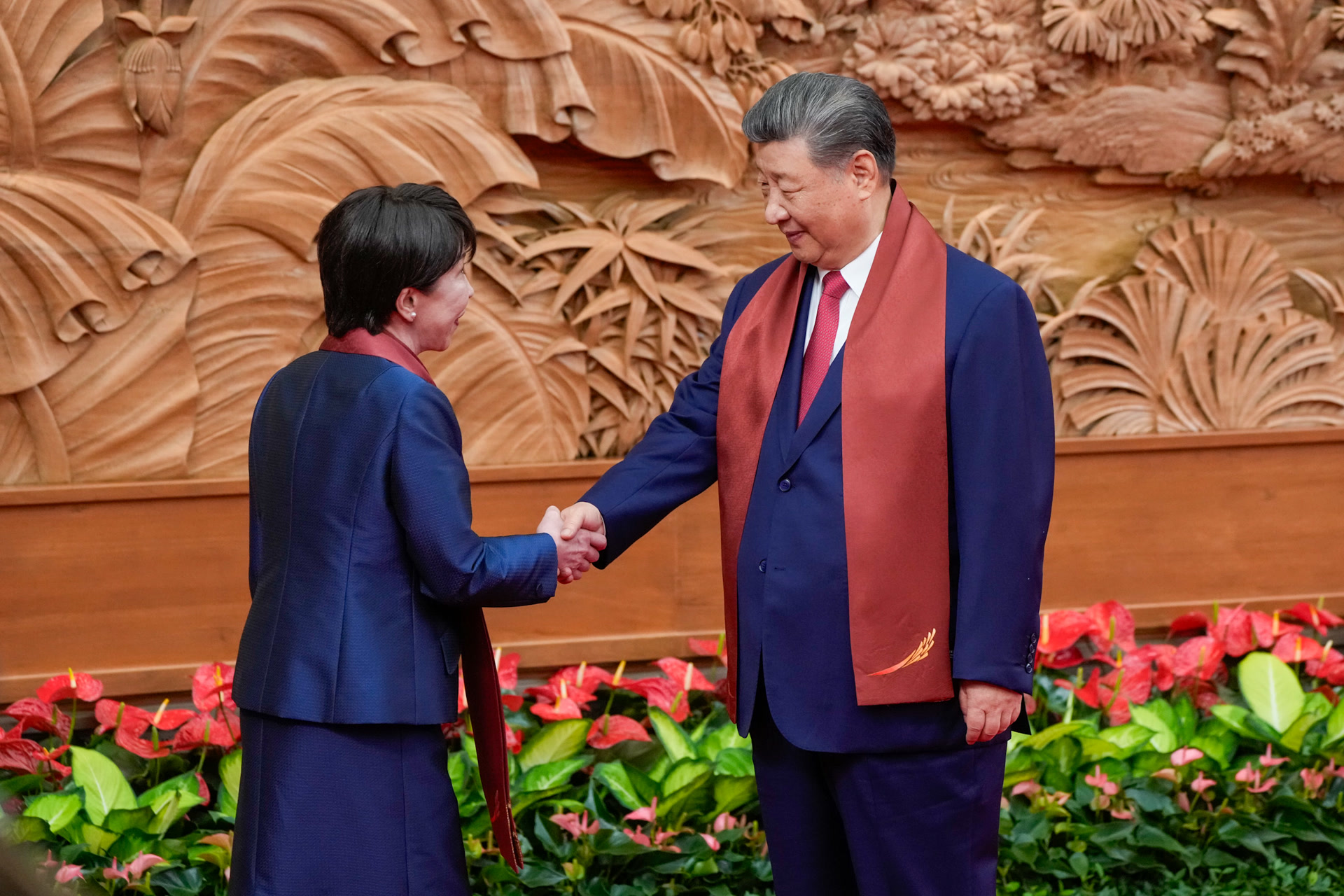
Under the 1972 Joint Communiqué, Japan recognized the People’s Republic of China as the sole legitimate government of China and stated that it “fully understood and respected” Beijing’s position that Taiwan was an inalienable part of its territory.
Distant welcome in Shenzhen
Takaichi arrived in Shenzhen on Wednesday for the summit. Reuters reported that while Chinese President Xi Jinping personally welcomed U.S. President Donald Trump, a Chinese Foreign Ministry official shook hands with Takaichi. Xi and Takaichi shook hands at the welcome dinner and on Thursday, but did not hold a one-on-one meeting.
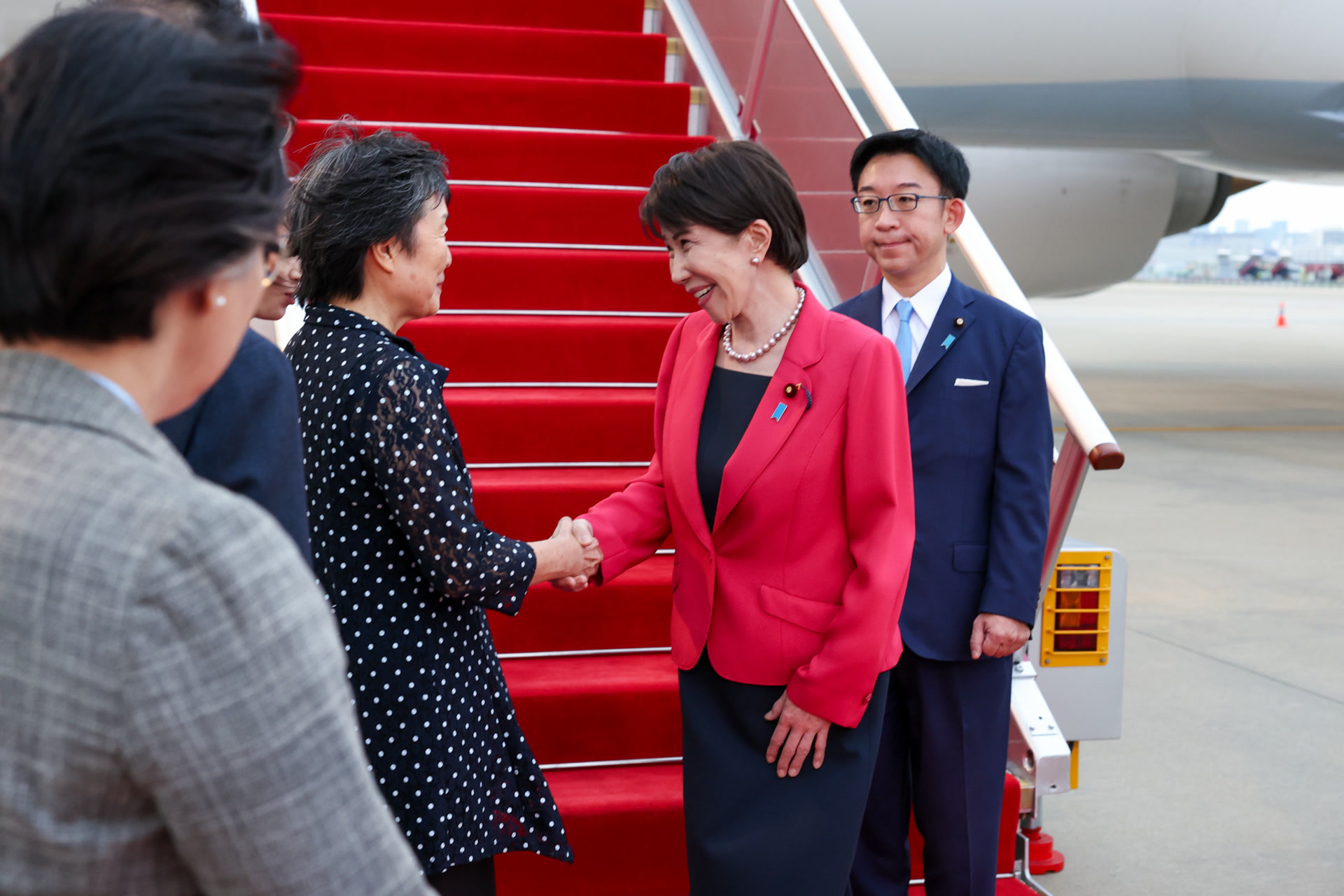
Japan’s Chief Cabinet Secretary Minoru Kihara rejected the remarks about a “cold welcome” and said the host had shown Takaichi the usual courtesy extended to other leaders. The Chinese Foreign Ministry also responded to the same question by saying that, as host, it had arranged protocol for all participants in line with international practice.
Stay Updated with The Turkiye Times
Subscribe to be informed about special news, developments and announcements. We will keep you informed.
By signing up, you agree to our Privacy Policy














