- BIST10011,131-3.02%
- USD50.47+0.05%
- EUR55.46+0.20%
- GOLD3,525.90-4.33%
- INTEREST36.00%-1.00
- BITCOIN58,969-4.74%
- November 20, 202617°
- BIST10011,131-3.02%
- USD50.47+0.05%
- EUR55.46+0.20%
- GOLD3,525.90-4.33%
- INTEREST36.00%-1.00
- BITCOIN58,969-4.74%
- November 20, 202617°
World Court rules Myanmar committed genocide against Rohingya Muslims
The UN judicial body in The Hague ruled in a case brought by The Gambia that Myanmar committed genocide against Rohingya Muslims in 2017 by a vote of 9 to 6 and ordered compensation for the victims.
The Turkiye Times Editorial DeskUpdated:


The International Court of Justice (ICJ), the United Nations' judicial body, ruled that Myanmar committed genocide against Rohingya Muslims. For the first time in its history, the Court held a state directly responsible for genocide.
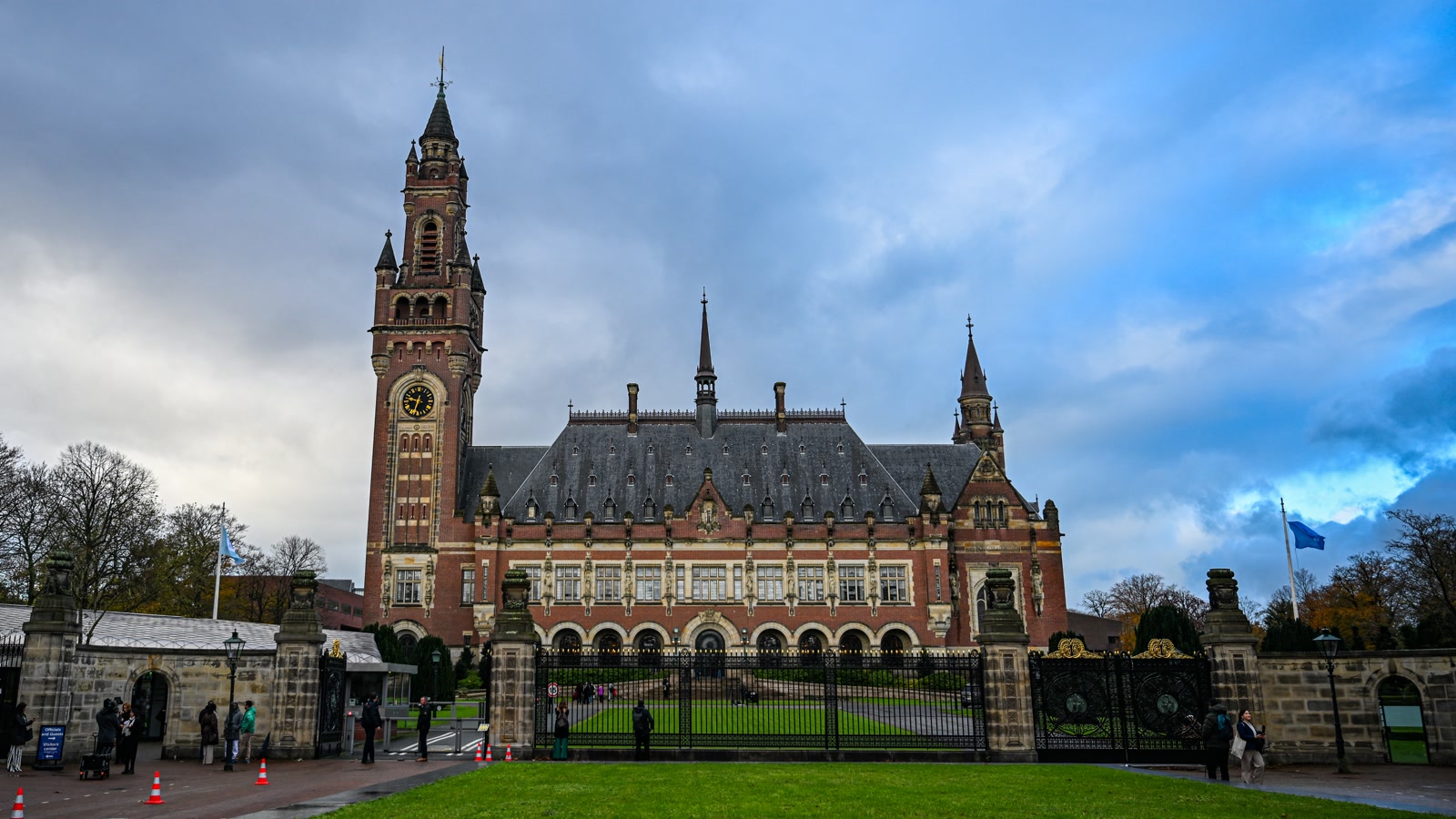
Reading the ruling at the Peace Palace in The Hague in a case brought by The Gambia in 2019, ICJ President Yuji Iwasawa said Myanmar security forces had killed thousands of civilians, used sexual violence and burned the homes of Rohingya Muslims. According to the ruling, evidence established that security forces killed approximately 10,000 people during operations in 2017. The core genocide ruling was adopted by a vote of 9 to 6.
Compensation and conditions for safe return
The Court ordered Myanmar to compensate victims of the genocide for their losses. The ruling called for Rohingya Muslims displaced within the country or abroad to return home safely, voluntarily and with dignity, for their property to be returned and for families to be reunited. Myanmar was also asked to search for the missing, investigate and prosecute suspects linked to the 2017 operations, and provide assurances that the violations would not be repeated.
The Court found that Myanmar had also violated its obligations to prevent and punish genocide and had failed to preserve evidence despite the provisional measures order issued in 2020. The ruling noted that Senior General Min Aung Hlaing and the army had spread hate speech in a coordinated manner on social media, and that approximately 40 percent of Rohingya Muslim villages had been destroyed.
Tears and prayers in the camps
Rohingya refugees living in camps in Bangladesh's Cox's Bazar region watched the ruling on giant screens. The refugees said they had been waiting for this moment for nine years and hoped the ruling would put pressure on Myanmar and pave the way for their return to their homeland.
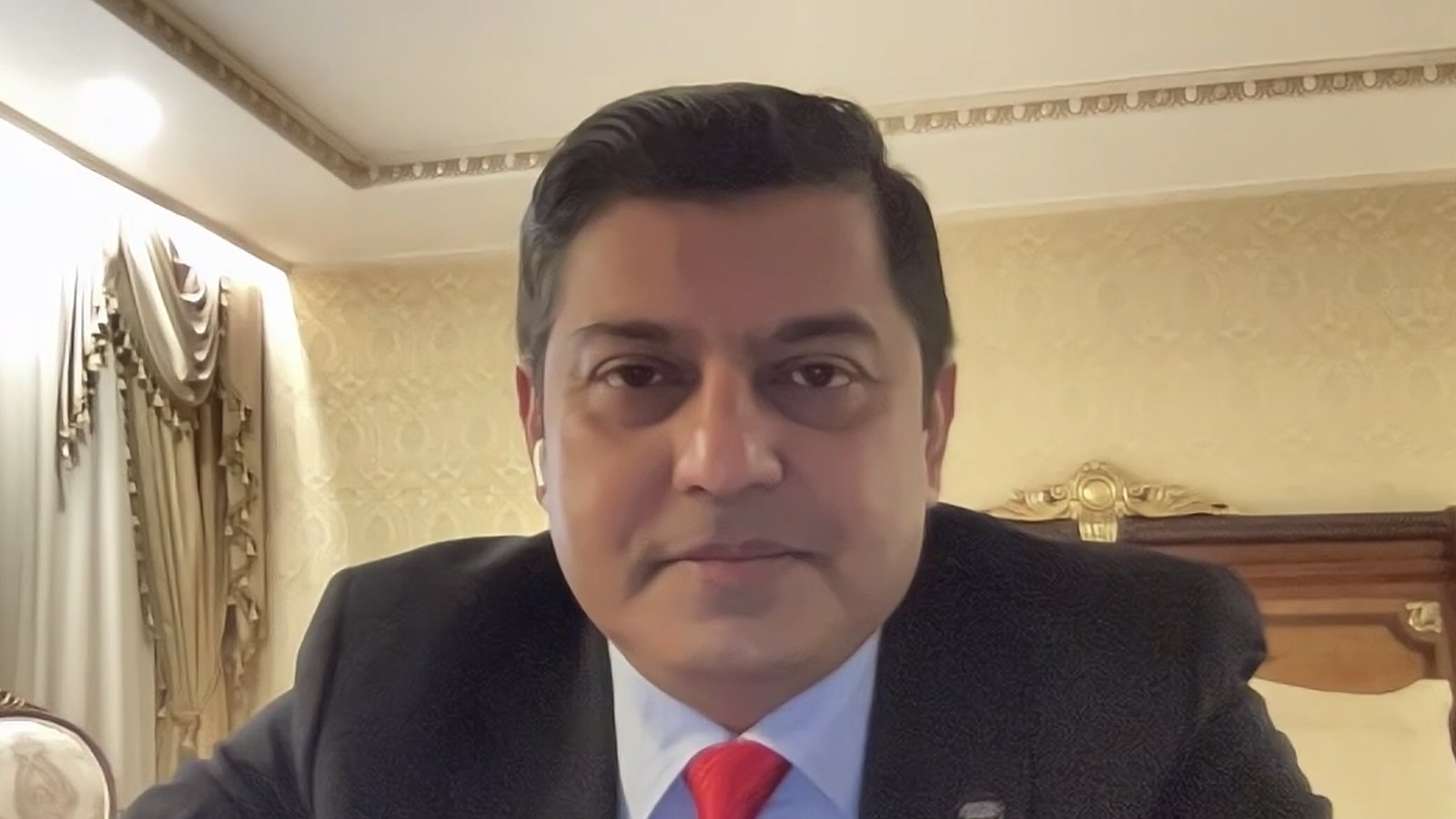
The co-chair of the Arakan Muslims Council also welcomed the ruling and called on the international community to take concrete steps. The ruling is final and binding, with no avenue for appeal.
Foreign Ministry: Historic ruling marks a turning point
The Foreign Ministry said it welcomed the International Court of Justice ruling that Myanmar committed genocide against Rohingya Muslims in the northern part of Rakhine State in 2017 and violated its obligations to prevent and punish genocide. Recalling that Türkiye had supported the case from the outset, the ministry emphasized that the ruling was “a turning point” in documenting the systematic persecution suffered by Rohingya Muslims, delivering justice and ensuring accountability.
The statement called on Myanmar to comply with the Court's ruling fully and without delay. It said Türkiye would continue to support solidarity with Rohingya Muslims and international efforts aimed at their safe, voluntary, dignified and sustainable return to their homeland.
Stay Updated with The Turkiye Times
Subscribe to be informed about special news, developments and announcements. We will keep you informed.
By signing up, you agree to our Privacy Policy














