- BIST10011,843+1.51%
- USD50.28+0.05%
- EUR55.60-0.24%
- GOLD3,888.90+0.07%
- INTEREST36.00%-1.00
- BITCOIN64,771-0.83%
- November 16, 202611°
- BIST10011,843+1.51%
- USD50.28+0.05%
- EUR55.60-0.24%
- GOLD3,888.90+0.07%
- INTEREST36.00%-1.00
- BITCOIN64,771-0.83%
- November 16, 202611°
COP31 Green Zone opens with 100,000 daily visitors and 203 sessions
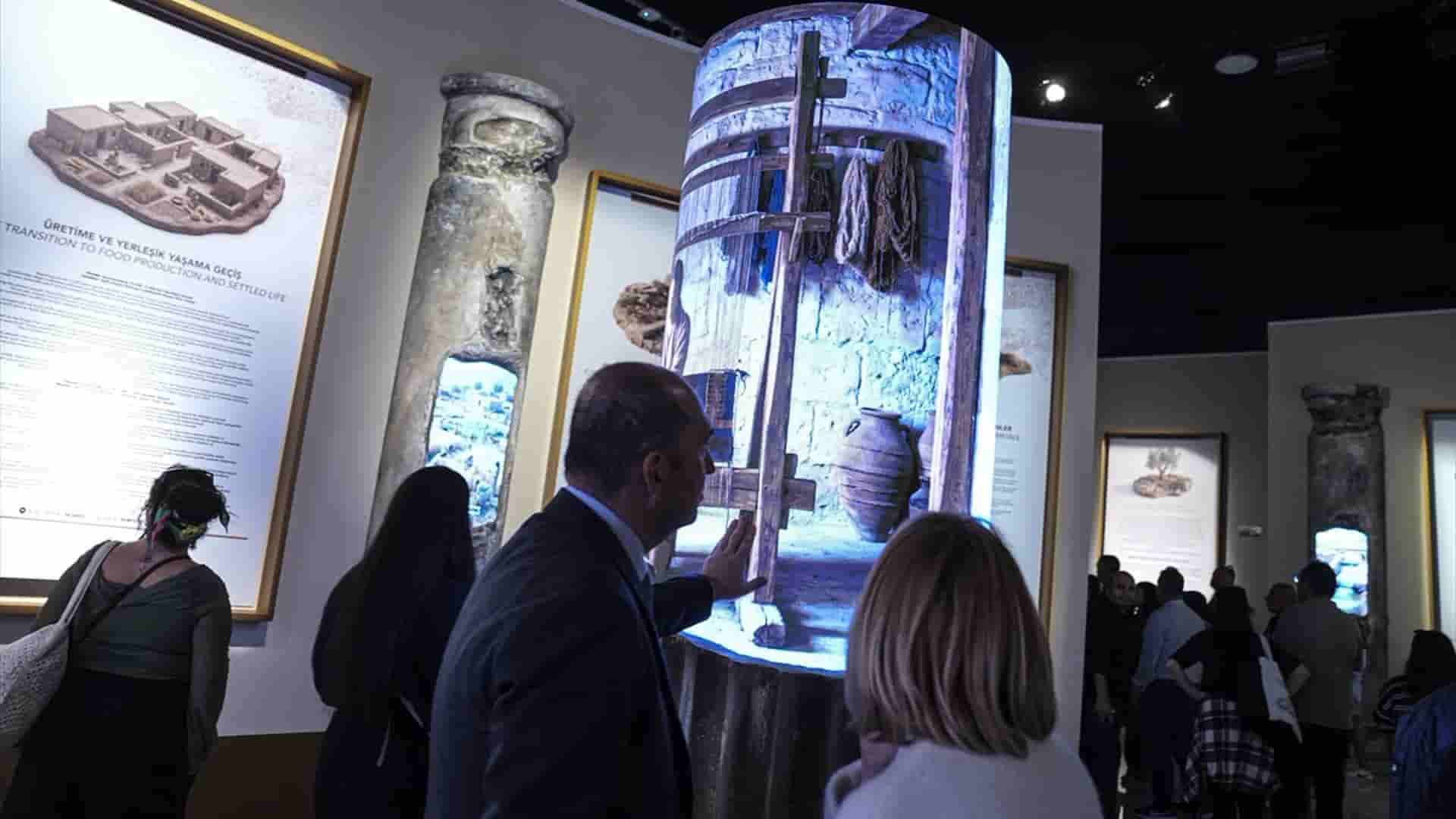
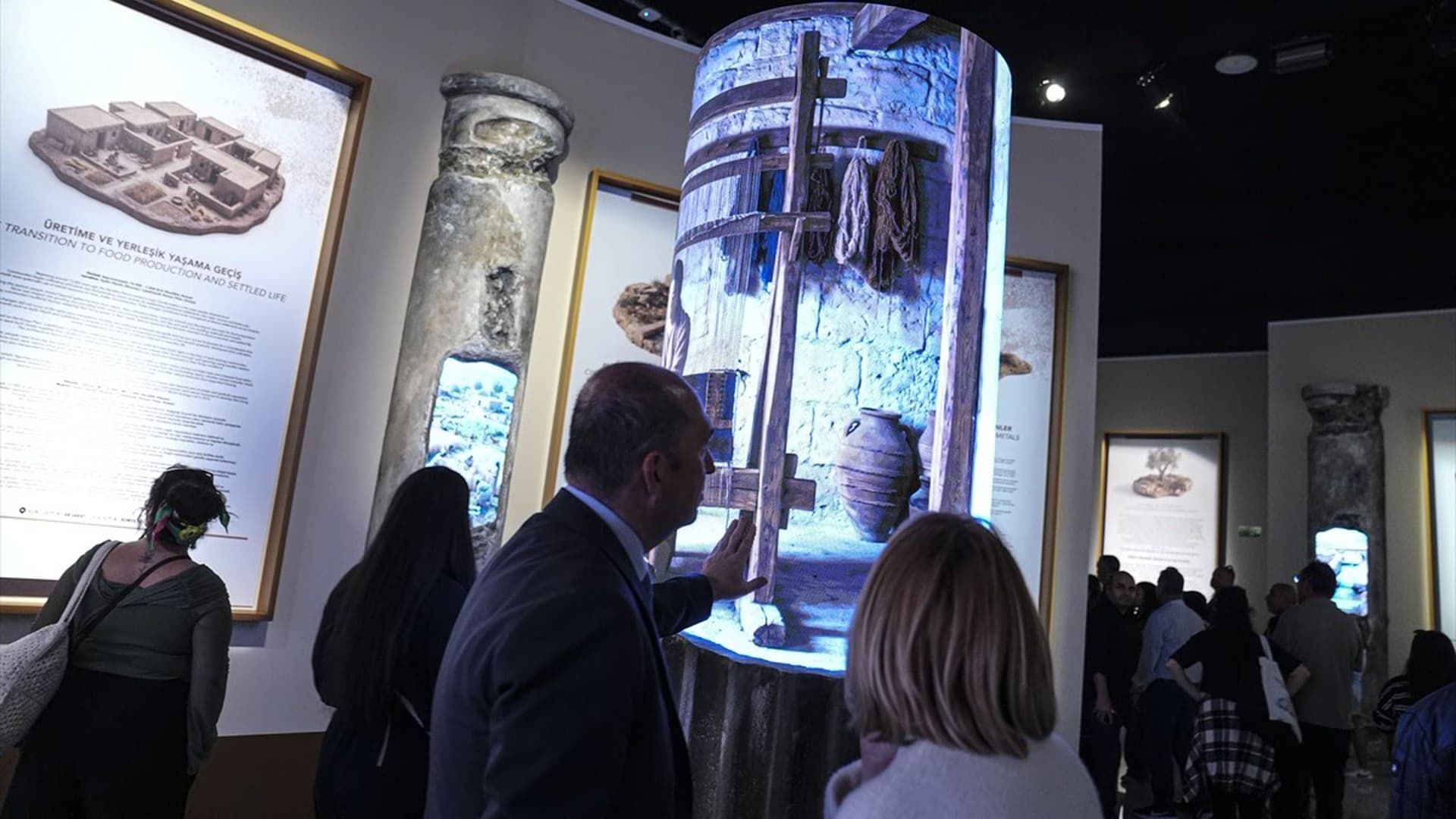
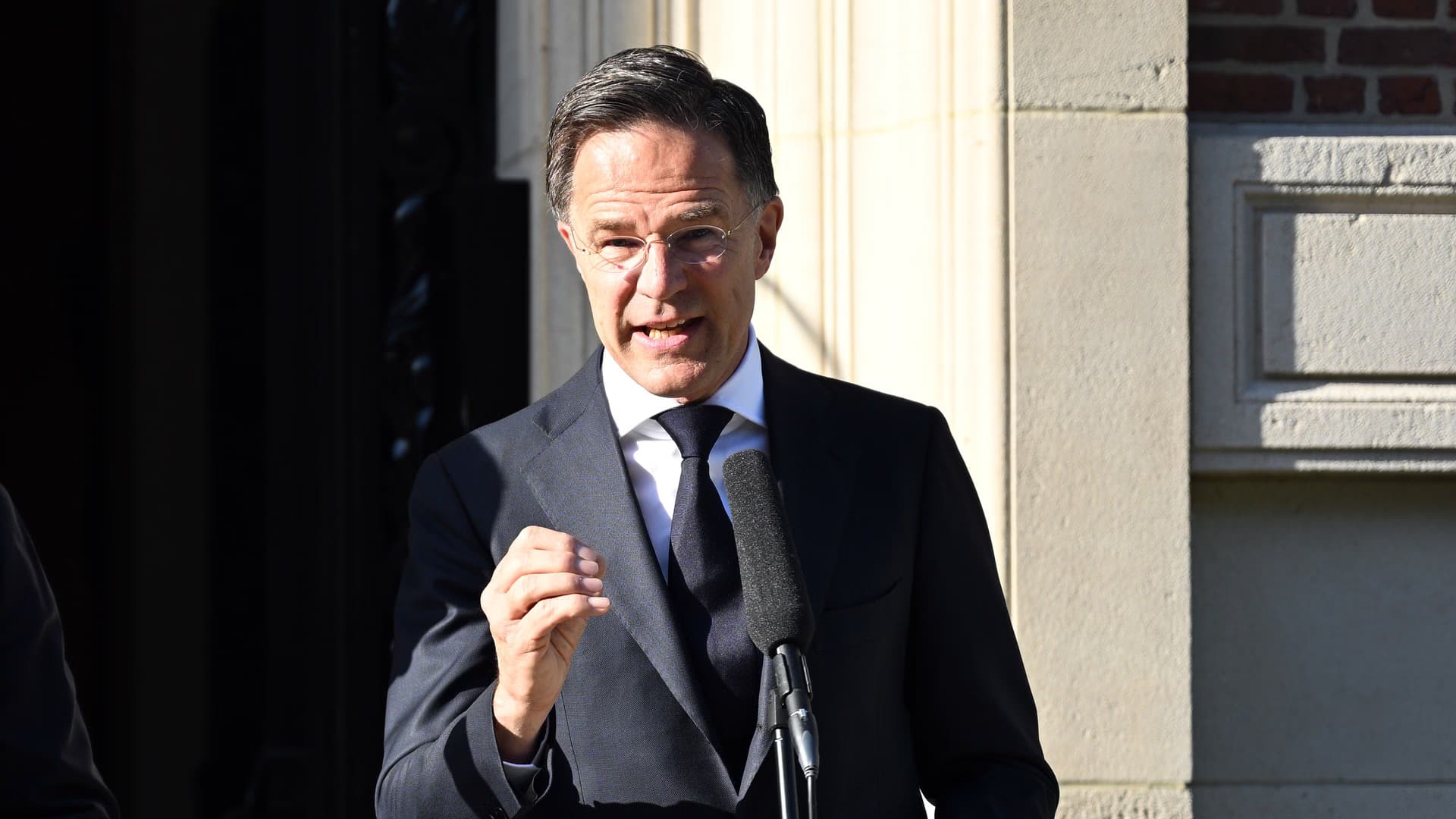
COP31 President Murat Kurum said at the opening of the public Green Zone, "We want to put into practice in the Green Zone what is discussed in the Blue Zone." The State Hydraulic Works’ artificial intelligence-powered irrigation system was also introduced to visitors at the site.

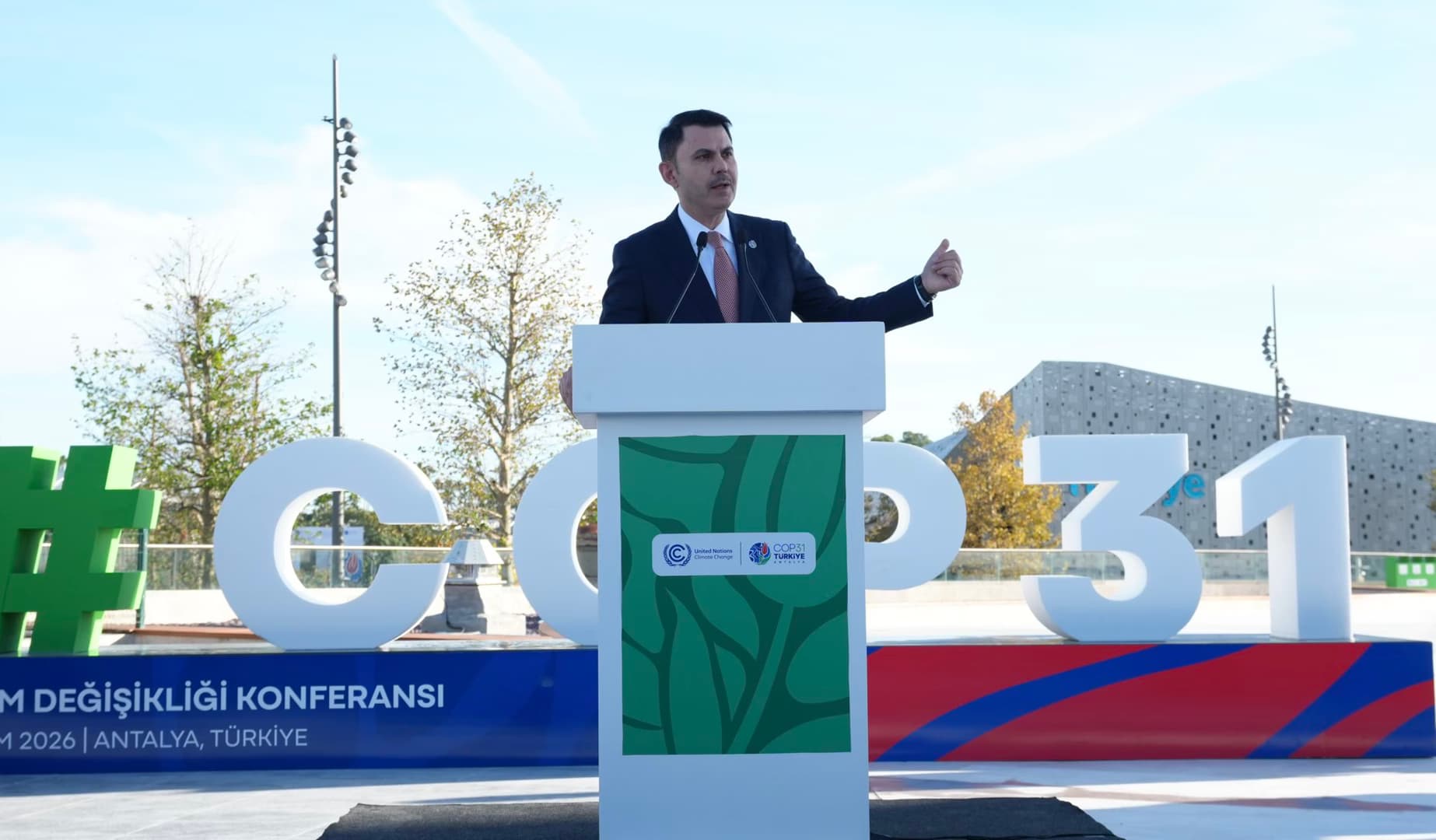
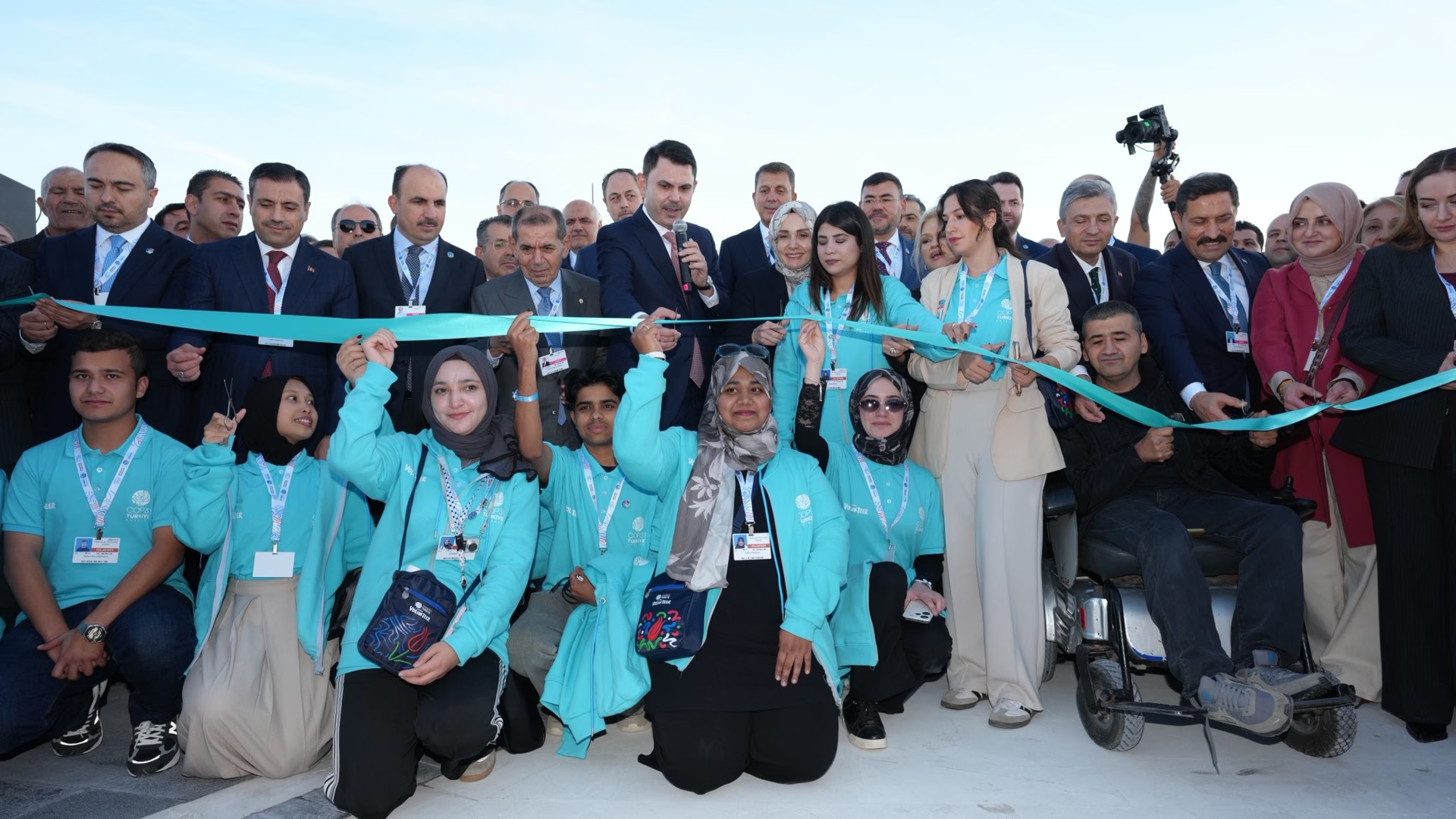
The Green Zone, the section of the UN Climate Change Conference COP31 in Antalya open to the public, opened its doors with the participation of COP31 President and Minister of Environment, Urbanization and Climate Change Murat Kurum. Kurum said, "We want to put into practice in the Green Zone what is discussed in the Blue Zone. Our program will include sessions organized by 203 institutions. We aim to host approximately 100,000 visitors daily."
Kurum said COP31 had started smoothly and that the climate agenda had been approved with the acceptance of 196 parties. He emphasized that they had expanded the participation of women, young people, cities and the private sector in decision-making processes.
Zero Waste, COPArt and the Gaza Tent
Kurum said 207 technology companies and startups were represented at the site, and that experience gained from the February 6 earthquakes would be showcased at the Phoenix Pavilion. He said the Zero Waste Movement, led by Emine Erdoğan, would be presented to visitors through hands-on activities ranging from waste separation to composting, and that more than 1,000 works would be exhibited at COPArt, a first for the COP. Referring to the Gaza Tent, Kurum said, "A child in Gaza reaching clean water, sleeping in a safe place and being able to attend school are fundamental rights that we must all defend." He also announced that 45,000 applications from 154 countries had been received for the COP volunteer program.
Artificial intelligence manages irrigation
Among the technologies introduced in the Green Zone for saving water in agriculture was the Agropi Io Artificial Intelligence-Powered Irrigation Automation System of the General Directorate of State Hydraulic Works (DSİ). Sensors installed in the greenhouse measure temperature, humidity, rainfall, wind and soil characteristics; irrigation begins when soil moisture falls below the specified level and stops when it reaches the required level. The system does not irrigate in rainy or windy weather.
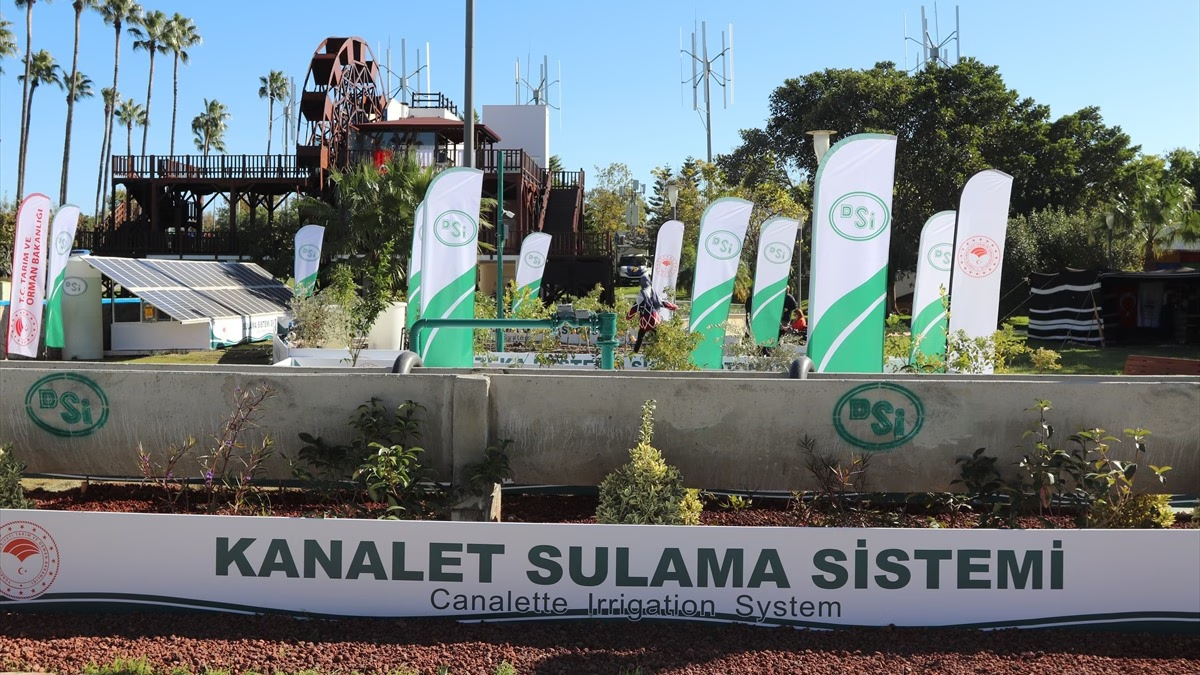
Gülçin Yiğit, a computer technologies and information systems specialist at DSİ, said the system, which automatically manages irrigation and fertilization, reduces water and fertilizer consumption, adding, "We have less water, lower consumption and a larger harvest."
Photos: Ministry of Environment, Urbanization and Climate Change, AA
Stay Updated with The Turkiye Times
Subscribe to be informed about special news, developments and announcements. We will keep you informed.
By signing up, you agree to our Privacy Policy