- BIST10011,843+1.51%
- USD50.28+0.05%
- EUR55.60-0.24%
- GOLD3,900.50+0.37%
- INTEREST36.00%-1.00
- BITCOIN65,155-0.24%
- November 16, 202611°
- BIST10011,843+1.51%
- USD50.28+0.05%
- EUR55.60-0.24%
- GOLD3,900.50+0.37%
- INTEREST36.00%-1.00
- BITCOIN65,155-0.24%
- November 16, 202611°
Iranian Guards say supertanker sank after five tankers hit mines in Hormuz
Iran's Islamic Revolutionary Guard Corps claimed that two oil tankers using an unauthorized route south of the Strait of Hormuz struck mines and that one of them, carrying more than 2 million barrels of crude oil, sank. The successive incidents have renewed concerns about maritime security along a vital artery of global oil trade.
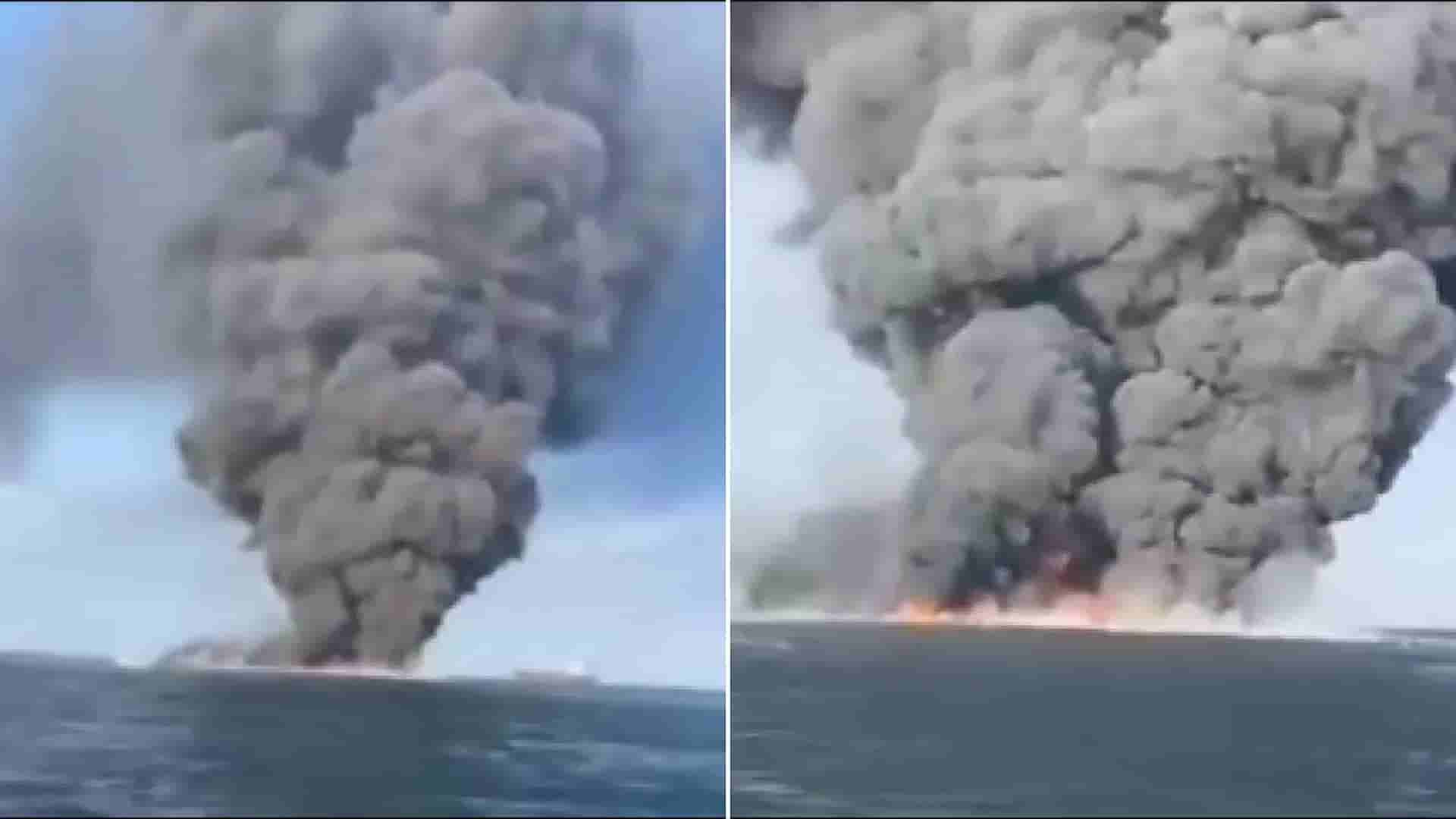
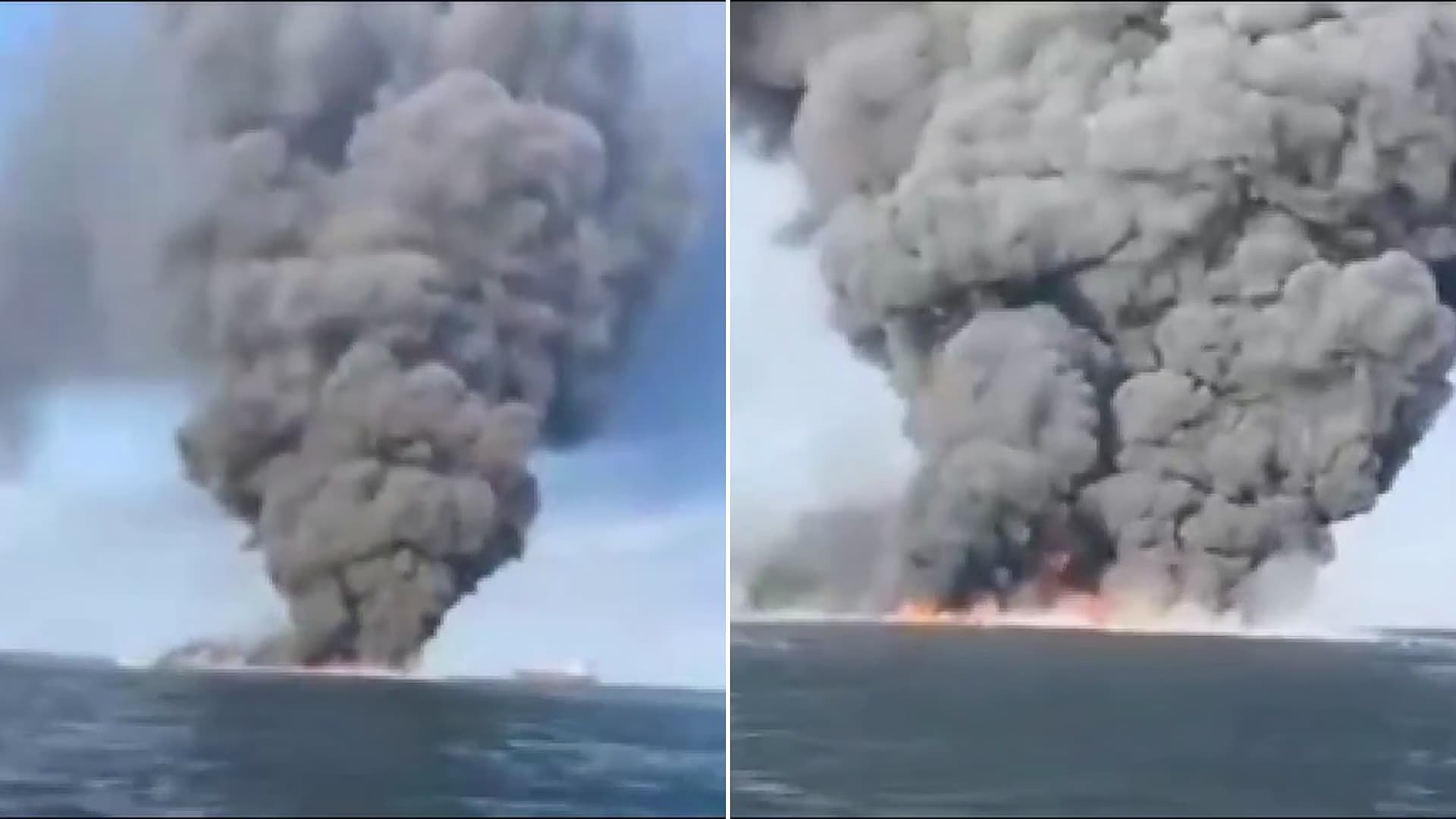
Iran's Islamic Revolutionary Guard Corps announced that two oil tankers attempting to use an "unauthorized" passage route south of the Strait of Hormuz struck sea mines in recent hours and that one of the tankers, which caught fire after powerful explosions, sank.
According to a statement broadcast on Iranian state television, the sunken vessel was a supertanker carrying more than 2 million barrels of crude oil and went down in the southern waters of the Persian Gulf. Iran's state broadcaster IRIB reported that a total of five tankers had struck mines in the past 48 hours.
Names and crews of ships not disclosed
The Revolutionary Guard did not disclose the tankers' names, flags or owners, and provided no information about the crews' condition. The statement claimed that the tankers had attempted to pass secretly with their navigation and identification systems switched off, with the support of the U.S. military. The claim that a tanker sank has not been independently verified so far.
Footage released by the Revolutionary Guard alongside the statement shows flames on the surface of the sea and thick black smoke rising into the sky. No vessel can be clearly identified in the footage, and its location and timing could not be independently verified.
The Revolutionary Guard also warned fishermen in the area not to strike the wreckage of the sunken tanker and called on tanker owners and crews to stay away from the restricted area.
UKMTO: Crew safe
The United Kingdom Maritime Trade Operations centre (UKMTO) also announced that it had received a report from Indian maritime authorities about an attack on a tanker sailing eastward in the Gulf and preparing to enter the Strait of Hormuz. UKMTO said the crew was safe, while the extent of the damage and any potential environmental impact remained unknown. It was unclear whether the incident was the same one announced by Iran.
Vulnerable period for energy flows
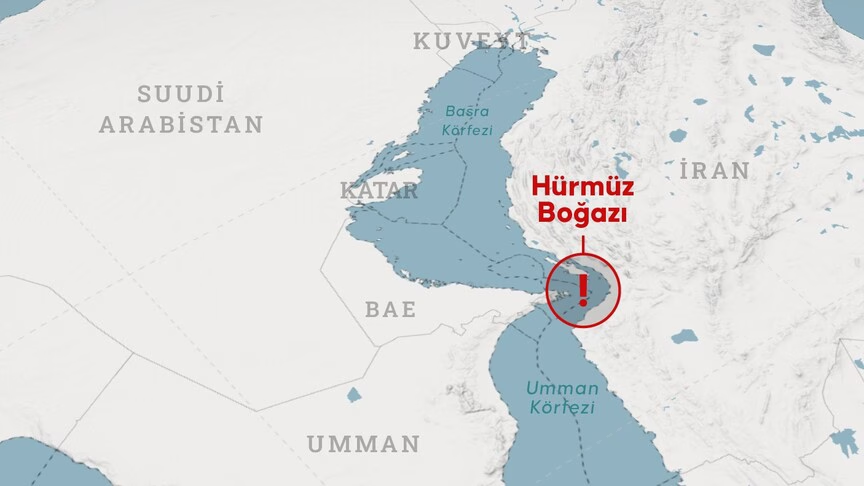
Under normal conditions, about one-fifth of global oil trade passes through the Strait of Hormuz. Iran closed the strait again on July 12 after the U.S. resumed its attacks on July 8 and warned that it would target vessels passing outside its designated route and without authorization. The United States says it is imposing a naval blockade on Iranian ports, has cleared the main shipping routes in the strait of mines and is providing military support to tankers.
The International Maritime Organization (IMO), a United Nations agency, announced that 136 maritime incidents had been recorded in and around the strait between the end of February and November 11, with 25 seafarers killed in those incidents. October was the month with the highest number of attacks since the start of the war. According to UKMTO's latest report, vessel traffic in the strait is running about 65 percent below prewar levels.
Markets have not yet priced in the latest developments because they were closed over the weekend. Brent crude closed at $95.84 a barrel on Friday, recording its second consecutive weekly loss. Analysts note that unverified claims about mines have not had a lasting impact on prices in recent weeks.
Video: Iran's Islamic Revolutionary Guard Corps. Map: Anadolu Agency. Sources: Anadolu Agency, Iranian state television, UKMTO, Reuters.
Stay Updated with The Turkiye Times
Subscribe to be informed about special news, developments and announcements. We will keep you informed.
By signing up, you agree to our Privacy Policy