- BIST10012,151-0.94%
- USD49.220.00%
- EUR55.21+0.28%
- GOLD4,194.50-0.52%
- INTEREST37.00%-1.00
- BITCOIN83,014-0.79%
- October 12, 202619°
- BIST10012,151-0.94%
- USD49.220.00%
- EUR55.21+0.28%
- GOLD4,194.50-0.52%
- INTEREST37.00%-1.00
- BITCOIN83,014-0.79%
- October 12, 202619°
Discussion on 2026 Engine Rules and Calendar Congestion in F1
The 2026 engine rules and calendar congestion in Formula 1 have become an important topic of discussion. BBC reporter Andrew Benson conveyed Alpine's development and safety concerns in wet weather conditions.
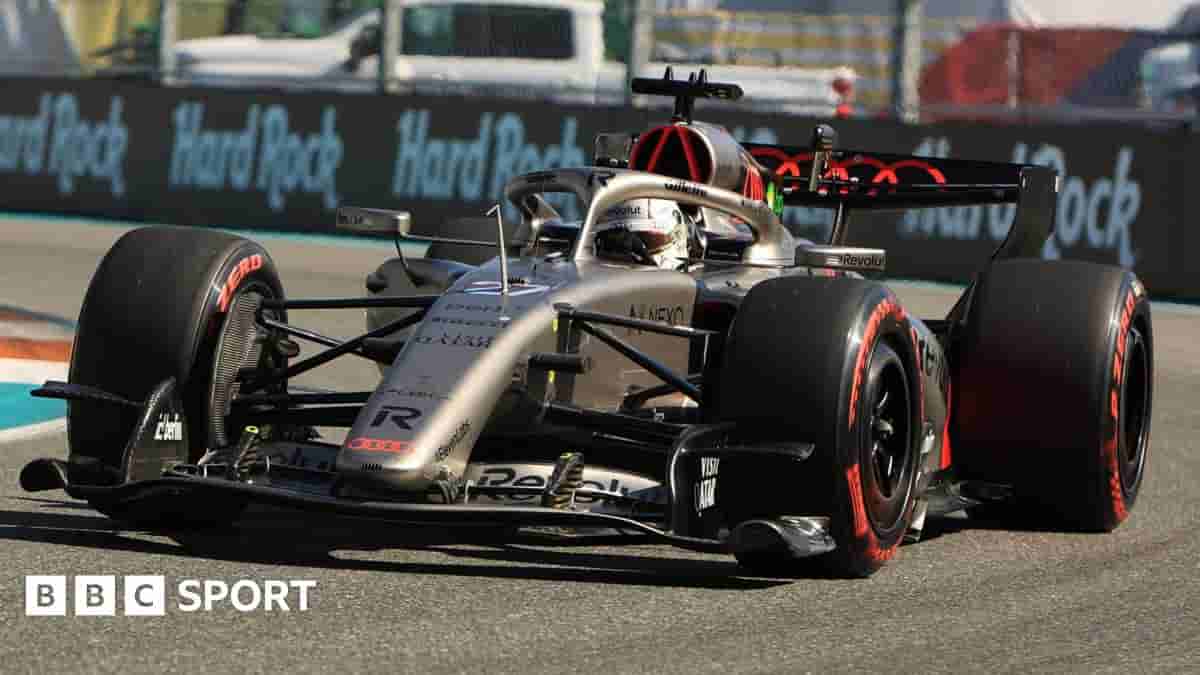
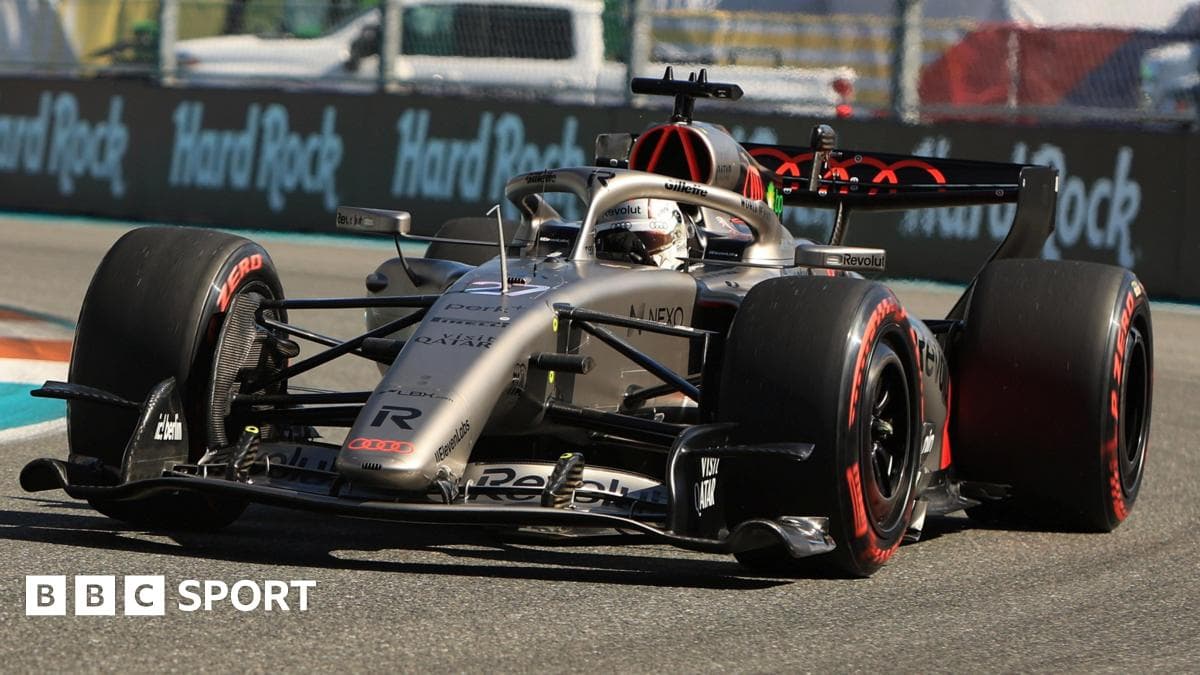
The new engine rules and the dense race calendar introduced for the 2026 season in Formula 1 hold a significant place on the sport's agenda. BBC Sport reporter Andrew Benson answered questions on these topics and detailed the challenges faced.
The new engine regulations increased the share of electric motors and introduced an approximately 50-50 energy split between the internal combustion engine and the electric motor. These changes enabled new manufacturers such as Audi, Ford, and General Motors to join F1. However, some issues arose in terms of energy management and performance during the implementation of these rules.
The progress shown by the Alpine team this season is evaluated based on both engine and car development. While the Mercedes engine is still considered the strongest, the impact of Alpine's investments for 2026 is also significant. FIA's assessments regarding engine performance and additional upgrade permissions will become clearer in the coming period.
Race safety in wet weather conditions has also come to the fore due to the high electric power of the new engines. Before the Miami Grand Prix, regulations were introduced limiting full power use in wet conditions and increasing tire temperatures. These measures stand out as steps taken for the safety of the drivers.
Changes in engine rules are planned for the 2027 season. FIA and F1 management are discussing alternatives such as reducing the share of the electric motor and strengthening the internal combustion engine. Long-term engine technology strategies for 2030 or post-2031 are also being debated during this process.
Official announcements regarding these not yet finalized changes and calendar arrangements will be clarified in upcoming meetings. The F1 management continues to take steps for the sustainability of the sport both technically and organizationally.
Stay Updated with The Turkiye Times
Subscribe to be informed about special news, developments and announcements. We will keep you informed.
By signing up, you agree to our Privacy Policy