The long-running visa liberalization process between Türkiye and the European Union has returned to the top-level diplomatic agenda.
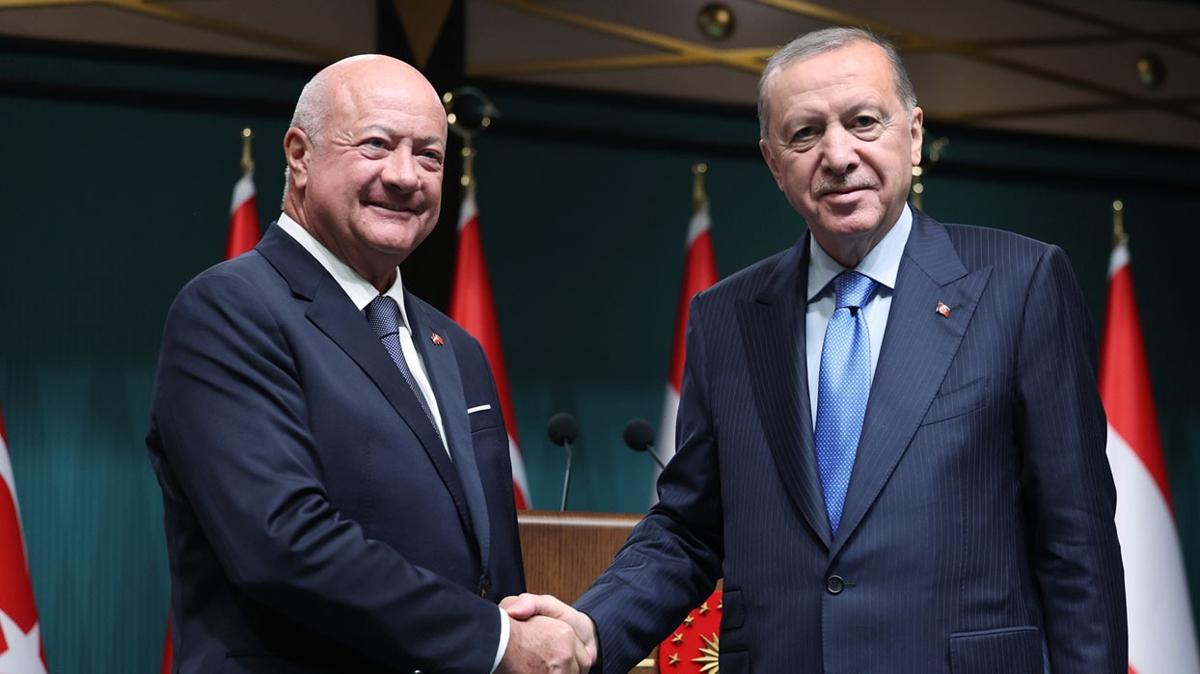
President Recep Tayyip Erdoğan delivered key messages on the future of relations with the European Union after meeting Austrian Chancellor Christian Stocker, who was visiting Türkiye, in Ankara.
Erdoğan highlighted progress in updating the Customs Union and advancing the visa liberalization dialogue among Türkiye’s expectations from the EU.
The president said steps by the European Union in these areas would serve the interests not only of Türkiye but of all sides.
Visa liberalization returns to the top-level agenda
The meeting at the Presidential Complex addressed Türkiye–European Union relations comprehensively.
Erdoğan said he had conveyed Türkiye’s views and expectations regarding its relations with the EU during his meeting with Stocker.
The president particularly highlighted updating the Customs Union and advancing the visa liberalization dialogue for Turkish citizens.
Erdoğan stressed that steps by the EU on these issues would provide mutual benefits for Türkiye and Europe.
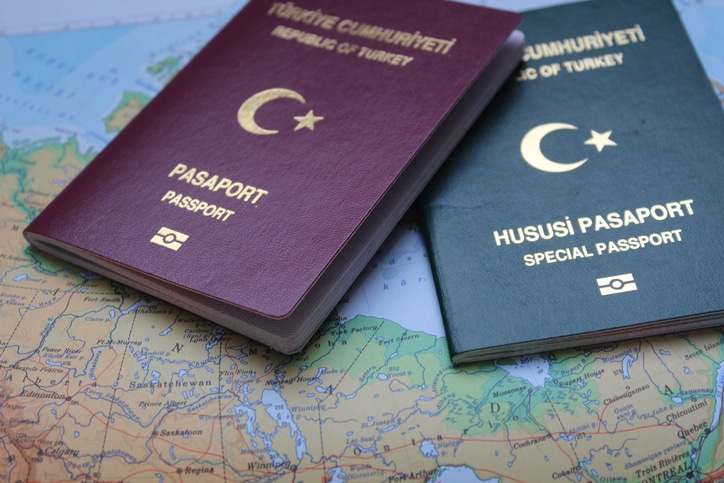
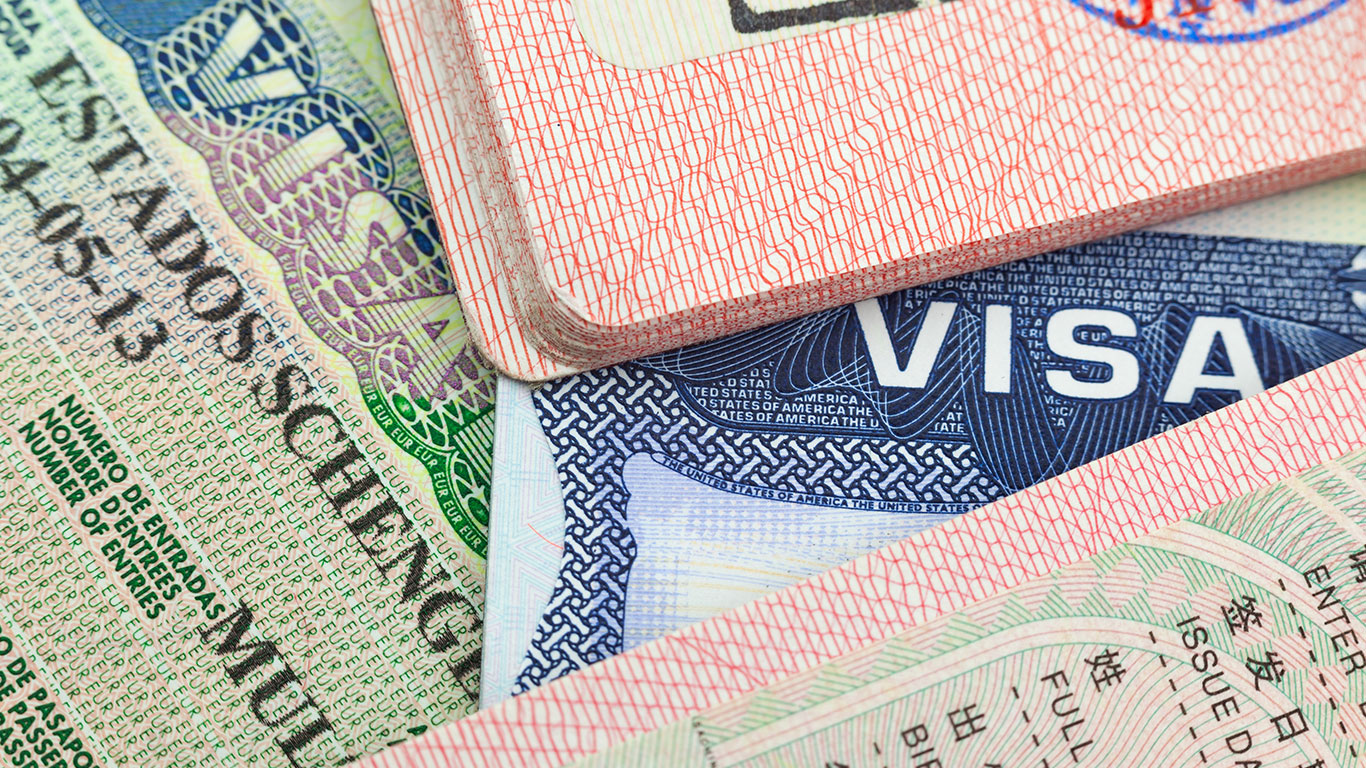
The statement brought renewed attention to the visa liberalization process, which aims to allow Turkish citizens to travel to the Schengen area without visas but has not been concluded for a long time.
This is not a visa liberalization decision
One of the most important points following Erdoğan’s statement was what the current situation means.
No new visa liberalization decision has been made between Türkiye and the European Union.
The meeting has not introduced any new change to the existing visa requirements for Turkish citizens traveling to Schengen countries.
The latest statement is significant because Ankara has once again placed its long-standing call for visa liberalization on the top-level diplomatic agenda and urged the EU to advance the process.
Therefore, no new decision has yet been made on whether or when visa-free travel by Turkish citizens to Europe will begin.
Türkiye–EU visa liberalization process has been on the agenda for years
The visa liberalization dialogue between Türkiye and the European Union has continued for many years.
The main aim of the process is to remove the visa requirement for short-term travel by Turkish citizens to the Schengen area once the necessary criteria have been met.
However, talks between the sides have not yet resulted in the complete removal of the visa requirement.
As a result, Turkish citizens generally continue to need visas for short-term travel to the Schengen area.
Erdoğan’s latest statement showed that Ankara continues to regard visa liberalization as one of the priority issues in its relations with the European Union.
Updating the Customs Union is also on the agenda
Ankara’s expectations from the European Union are not limited to visa liberalization.
Erdoğan once again said that the Customs Union in force between Türkiye and the EU since 1996 needs to be updated.
Türkiye and the European Union have made various attempts in previous years to expand the scope of the Customs Union, but formal negotiations could not advance because of political and technical problems.
Ankara wants the existing framework to be renewed in line with today’s economic and commercial conditions.
Erdoğan conveyed the message that advancing the updating of the Customs Union and the visa liberalization dialogue together would make a positive contribution to Türkiye–EU relations.
Message of a new period in relations with Austria
Stocker’s visit was also significant for relations between Türkiye and Austria.
Erdoğan expressed his satisfaction with Stocker’s first visit to Türkiye as chancellor and said they wanted high-level contacts between the two countries to continue regularly.
Economic relations between Türkiye and Austria also held an important place in the talks.
According to figures Erdoğan announced, trade between the two countries reached approximately $4.5 billion in 2025.
The sides aim to increase that figure to $5 billion in 2026.
Erdoğan said more than 1,000 Austrian companies operate in Türkiye and that direct investment originating from Austria had exceeded $11 billion.
He said Türkiye’s investments in Austria were approaching $1 billion.
More than 400,000 Turks live in Austria
The Turkish community in Austria was also among the notable topics discussed at the meeting.
Erdoğan described Austria’s Turkish community, whose population exceeds 400,000, as a shared value and source of wealth for the two countries.
He said Ankara’s concern for the peace and prosperity of the Turkish community had been conveyed to Stocker during the meeting.
The issue shows that Türkiye–Austria relations are assessed not only in economic and diplomatic terms but also in terms of the strong social ties between the two countries.
Stocker: Türkiye is a critical EU partner
Austrian Chancellor Christian Stocker also drew attention to Türkiye’s importance for Europe after the meeting.
Stocker stressed that Türkiye is an important partner for the European Union in terms of security and migration management.
Referring to Türkiye’s diplomatic efforts to end the Russia–Ukraine war, Stocker said they supported Erdoğan’s efforts in this direction.
The Austrian chancellor also highlighted Türkiye’s diplomatic weight in the Middle East.
Migration management remains central to Türkiye–EU relations
Migration management remains as important as visa liberalization in relations between Türkiye and the European Union.
Türkiye, one of the key transit points on irregular migration routes to Europe, has long been regarded as a critical partner in the EU’s migration policies.
Stocker’s description of Türkiye as an important EU partner, particularly in security and migration management, was seen as a message that cooperation between Ankara and Brussels would continue in this area.
What comes next in visa liberalization for Turkish citizens?
Although Erdoğan’s statement has once again moved the visa liberalization process near the top of the political agenda, there is currently no change to the existing visa requirement for Turkish citizens traveling to Schengen countries.
Diplomatic and technical talks between Türkiye and the European Union must continue for the process to advance.
Alongside the visa liberalization dialogue, Ankara is calling for the European Union to take concrete steps on long-pending issues such as updating the Customs Union.
The latest meeting between Erdoğan and Stocker showed that Ankara has once again brought these two issues strongly to the attention of European capitals in its contacts with them.
For Turkish citizens, the most important result is that visa liberalization has not yet entered into force, but the issue has once again been clearly addressed at the top level of the Türkiye–EU relations agenda.