- BIST10011,131-3.02%
- USD50.47+0.05%
- EUR55.46+0.20%
- GOLD3,525.90-4.33%
- INTEREST36.00%-1.00
- BITCOIN58,969-4.74%
- November 20, 202617°
- BIST10011,131-3.02%
- USD50.47+0.05%
- EUR55.46+0.20%
- GOLD3,525.90-4.33%
- INTEREST36.00%-1.00
- BITCOIN58,969-4.74%
- November 20, 202617°
Europe races to build interceptors cheaper than the drones they shoot down
After Russian drone attacks and hybrid threats exposed gaps in Europe’s air defenses, governments are pressuring defense companies to produce more affordable interceptors. Companies are drawing on battlefield experience from Ukraine.


European governments are pressuring defense companies to produce more affordable interceptors after Russian drone attacks on Ukraine and growing hybrid threats across the continent exposed gaps in air defenses. The New York Times reported that companies are drawing on battlefield experience from Ukraine to counter faster Russian drones that existing interceptors are struggling to handle.
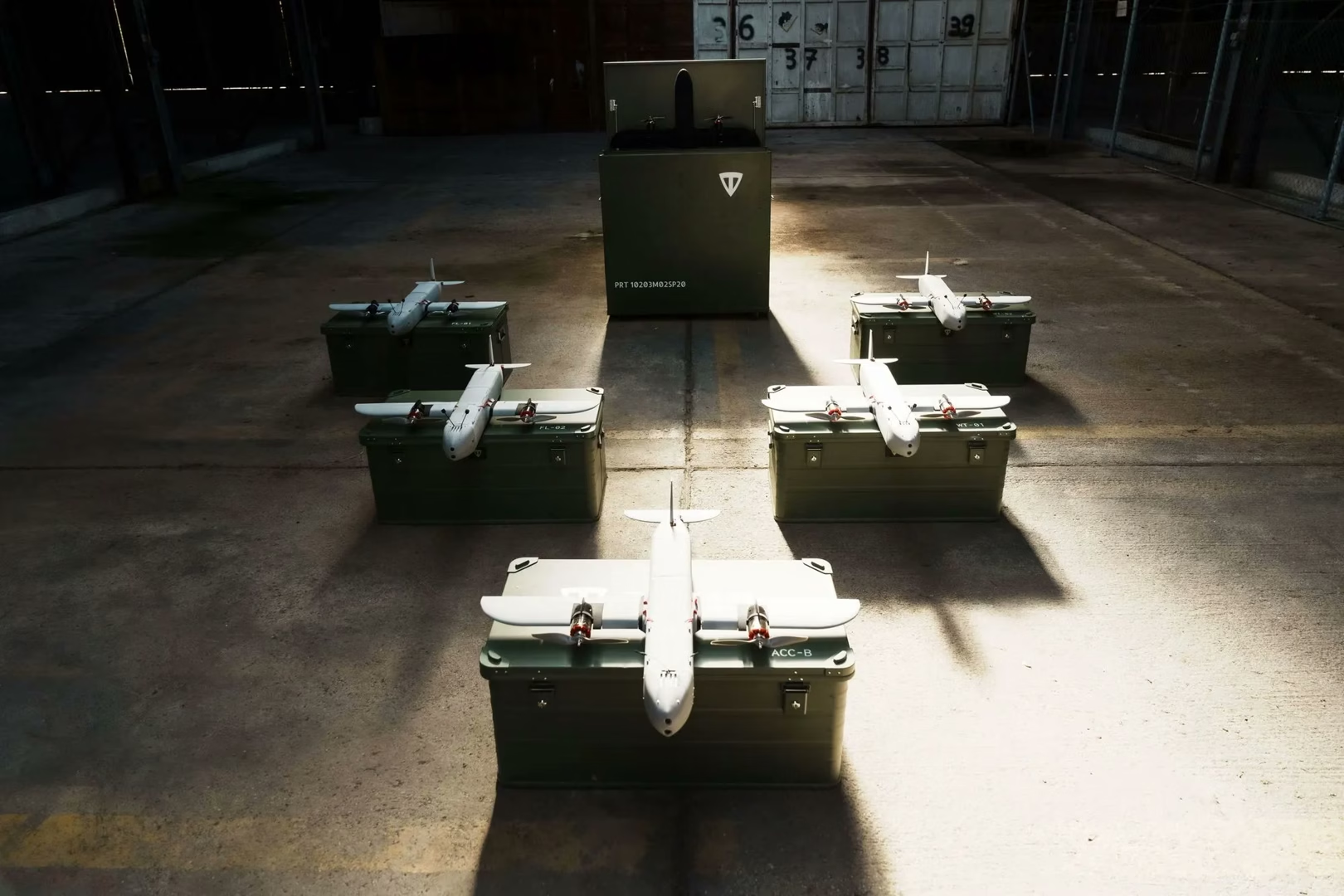
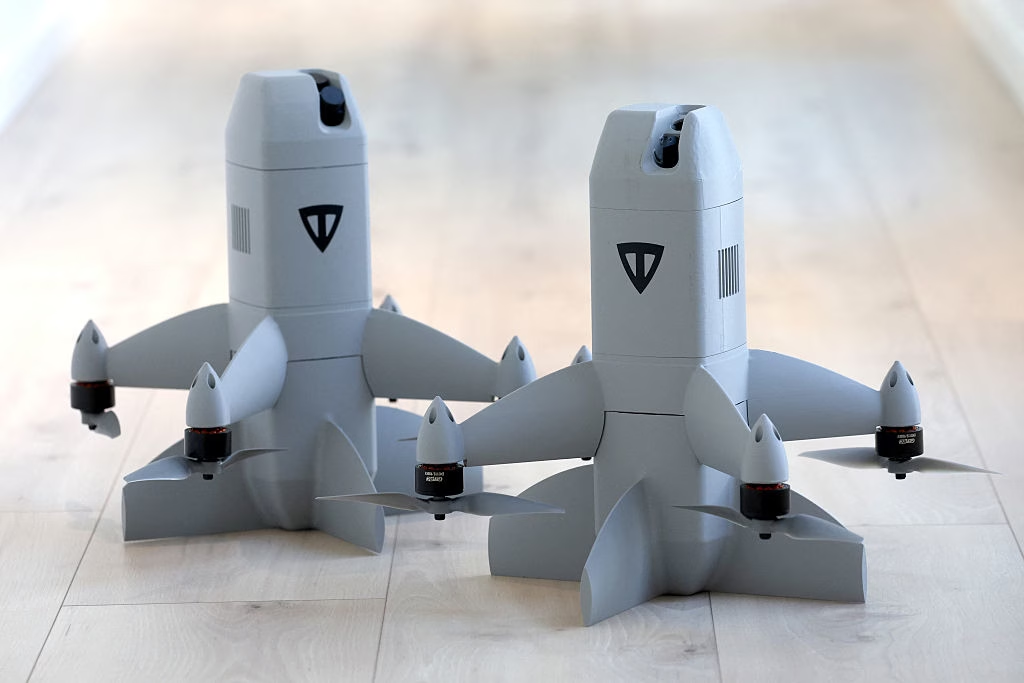
TYTAN Technologies, a German interceptor-drone maker whose investors include the NATO Innovation Fund, plans to increase production at its factory near Munich to 3,000 interceptors a month. The company has contracts with the German army, the Baltic states and Ukraine.
"It must be cheaper than what we hit"
Batuhan Yumurtacı, one of the company’s co-founders, said they had cut the cost of the interceptors in half and aimed to make them "cheaper than what we hit," but he did not give a price. The Washington-based think tank CSIS estimates that Russia’s versions of Iran-designed Shahed drones cost between $20,000 and $50,000 each. TYTAN cited estimates that Russia launched more than 8,000 drones at Ukraine in October.
Russia’s jet-powered drones are also pushing companies to develop new interceptors. Germany’s Helsing said it was working on interceptors that would cost tens of thousands of dollars each to counter these threats. Quantum Systems said its agreement with the German government to supply Ukraine with tens of thousands of interceptor drones would also expand the capacity to defend the region; the company is establishing production facilities in Lithuania, Estonia, Romania and the United Kingdom.
Leonardo will test Michelangelo in Ukraine
Lorenzo Mariani, CEO of Italy’s Leonardo, said the company aimed to test part of its Michelangelo air-defense system in Ukraine by the end of the year. The company is discussing possible cooperation with French defense firm Thales, which is planning its own system. Mariani said suppliers needed more capital to meet rising demand and that bottlenecks had emerged in missile propulsion systems, adding, "Scaling up is a real test."
Photos: TYTAN Technologies, AFP.














