- BIST10011,131-3.02%
- USD50.47+0.05%
- EUR55.46+0.20%
- GOLD3,530.80-4.20%
- INTEREST36.00%-1.00
- BITCOIN58,913-4.83%
- November 20, 202617°
- BIST10011,131-3.02%
- USD50.47+0.05%
- EUR55.46+0.20%
- GOLD3,530.80-4.20%
- INTEREST36.00%-1.00
- BITCOIN58,913-4.83%
- November 20, 202617°
UK and EU agree mutual residency and work rights for youth in Brussels
At the EU-UK Summit attended by Prime Minister Andy Burnham, the sides reached agreements on food trade, carbon markets and youth mobility. London said, "The agreement is done."


The UK and the European Union (EU) reached an agreement at a summit in Brussels to restructure their post-Brexit relations. Downing Street said, "The agreement is done, and the negotiations are over." Prime Minister Andy Burnham met with European Commission President Ursula von der Leyen and European Council President António Costa at the summit.
The agreement has three main components: a youth mobility program, sanitary and phytosanitary (SPS) arrangements to reduce border checks on food and agricultural products, and the relinking of the two sides' emissions trading systems. The dates on which the arrangements will enter into force will be included in a joint statement to be published later.
Access opens for 100,000 young people
Under the youth program, 100,000 young people from the UK will be able to live and work in EU countries, while the same number of European young people will be able to live and work in the UK for up to three years. London had initially proposed a quota of 50,000 people. Burnham called the arrangement "a good day for young people in the UK." The prime minister said the younger generation had suffered the most from the split a decade ago.
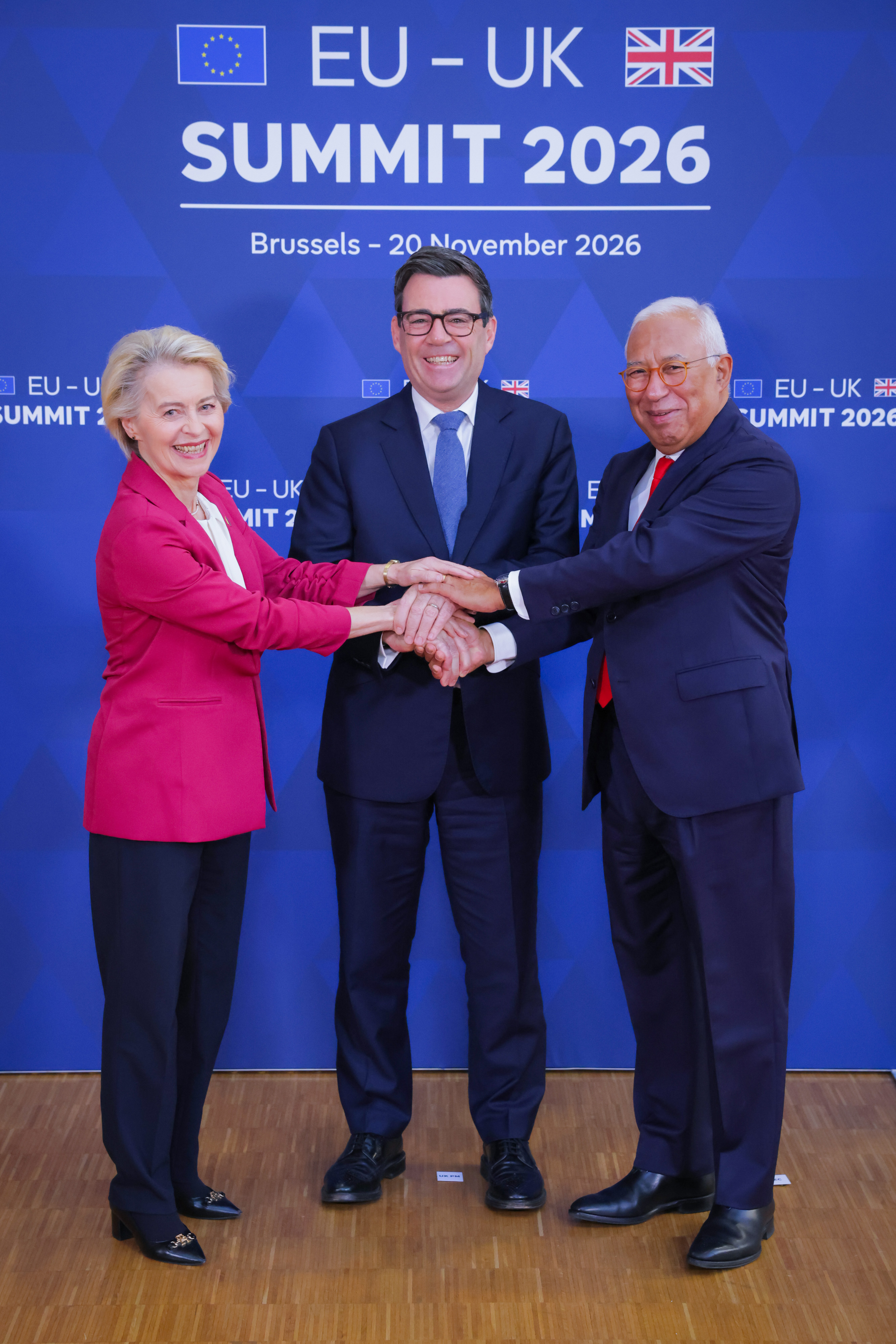
Before the summit, Burnham said, "The test for this summit is simple: Does it improve people's lives in the UK?" The prime minister argues that the agreement will lower grocery prices and could contribute approximately 0.4 percent to the economy. London estimates that removing checks on food and agricultural products is worth £5.1 billion a year.
Tuition fee issue remains unresolved
The EU tied implementation of the agreements to lowering the tuition fees paid by European students at British universities. The sides gave themselves six months to reach an agreement on the issue. Downing Street also acknowledged that talks would continue in some areas.
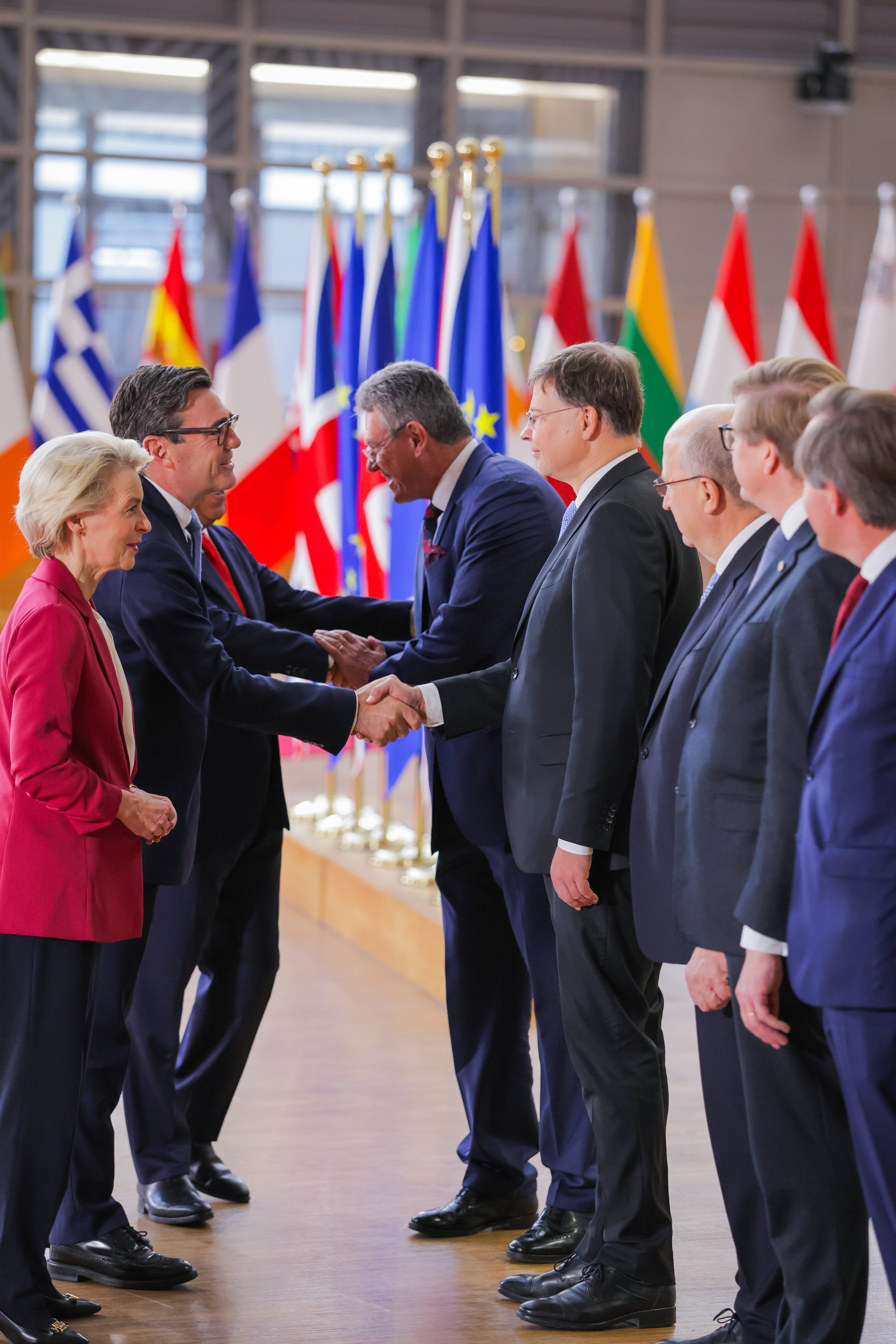
Before the summit, von der Leyen said she expected "ambitious and concrete results." Costa said, "Our security and prosperity are closely intertwined." Reform UK leader Nigel Farage accused Burnham of being "naive" and claimed that the EU had applied last-minute pressure over the tuition fee reduction.
Stay Updated with The Turkiye Times
Subscribe to be informed about special news, developments and announcements. We will keep you informed.
By signing up, you agree to our Privacy Policy