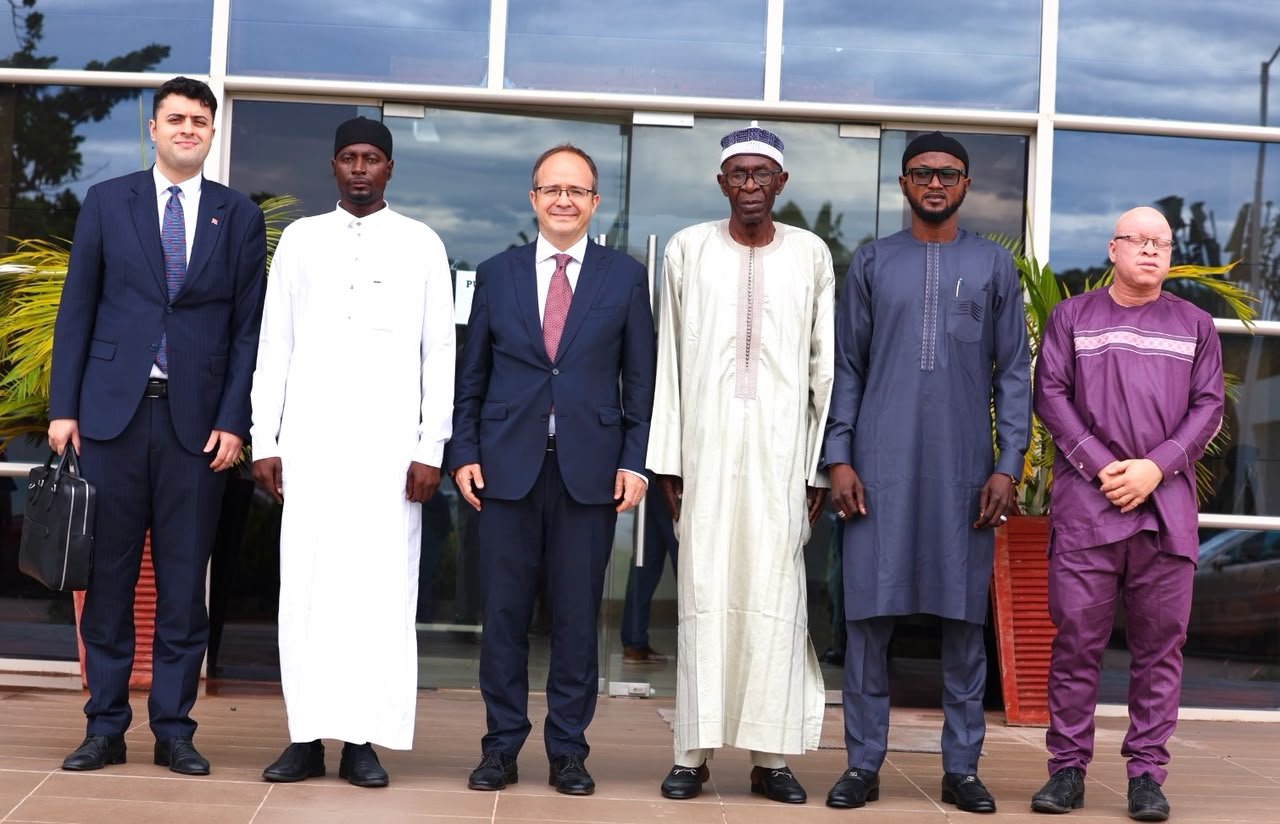
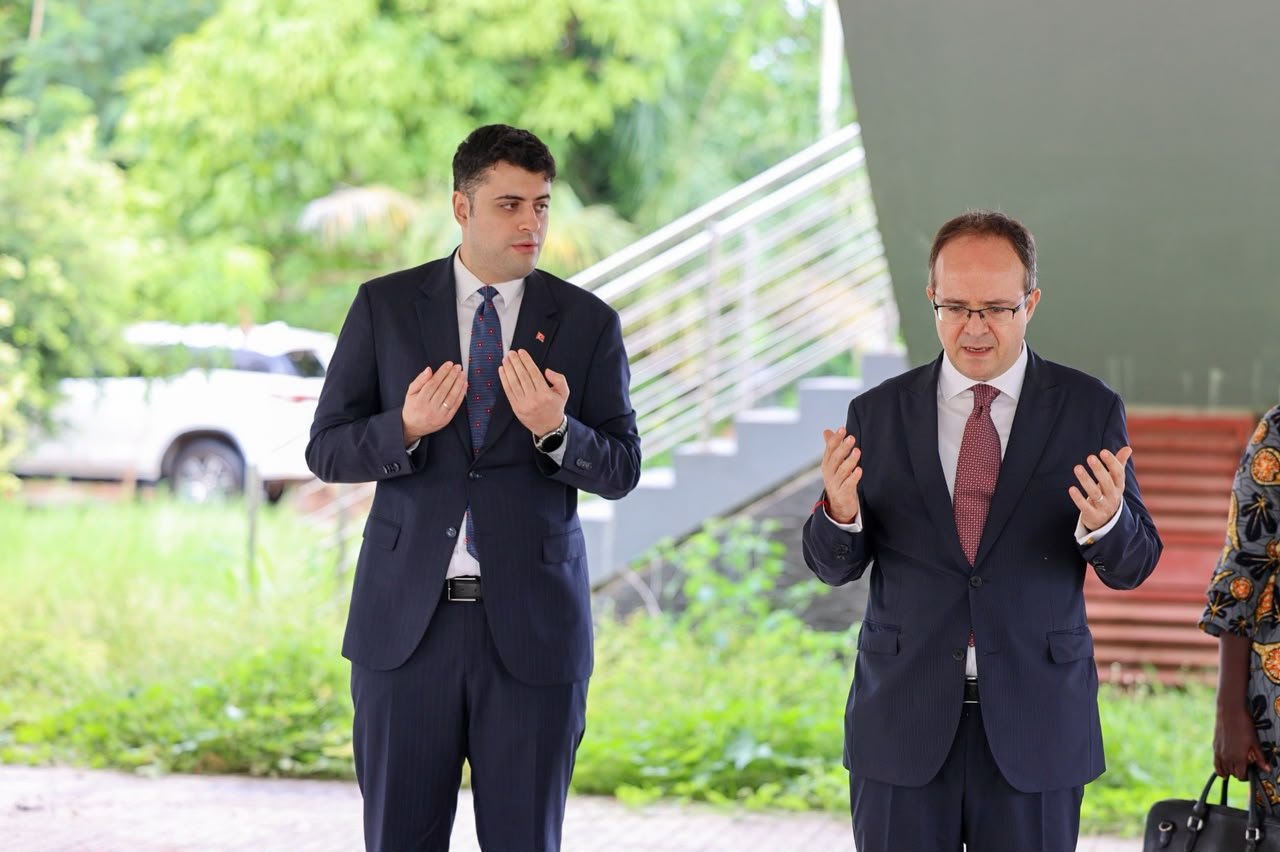
A tribute visit was made to the grave of Sir Dawda Kairaba Jawara as part of a farewell program for Gambia’s National Assembly speaker. The visit brought together the place of Jawara in Gambia’s parliamentary political history and the legacy of one of the country’s founding figures in the post-independence era.
Jawara’s place in Gambia’s history
Sir Dawda Kairaba Jawara held an important place in Gambia’s post-independence political history as the country’s first head of state. Jawara became prime minister in 1962 and served as Gambia’s first head of state from 1970. He governed the country under democratic rule for many years before leaving office after the 1994 military coup led by Yahya Jammeh.
Jawara died at the age of 95 on August 27, 2019. The Gambian government declared national mourning from August 27 to September 2, 2019, following his death. A state funeral was held for the former leader at the National Assembly on August 29, 2019, and his remains were buried on the Assembly grounds.
The tribute at the Assembly grounds
Jawara’s burial on the National Assembly grounds transformed the site from a center solely for legislative activities into a place associated with Gambia’s political memory. The former leader’s grave is regarded as one of the symbols of the country’s ties to its history of democratic governance and national institutions.
Within Gambia’s official commemorative framework, Jawara’s legacy has been associated with democracy, human rights, peace and national unity. The state funeral was also one of the main stages of the official commemorative program conducted after the former leader’s death. The grave visit therefore highlights the symbolic link between parliamentary institutions and Gambia’s founding political history.
The current parliamentary leadership
Fabakary Tombong Jatta became speaker of Gambia’s National Assembly in 2022, according to the Assembly’s official history. Because it is not clear whether Jatta was the speaker referred to in the farewell program or when the visit took place, the development is being treated cautiously. Nevertheless, the event brings the role of Gambia’s Parliament in the country’s national history and state memory into renewed focus.