Turkey’s use of F-16 fighter jets and unmanned aerial vehicles in the Aegean during the same periods, and in some cases simultaneously, is being closely monitored in Greece. Greek defense website OnAlert wrote that the activities recorded recently have created a more complex operational picture for the Hellenic Air Force.

Greek media highlights the joint operation of F-16s and drones
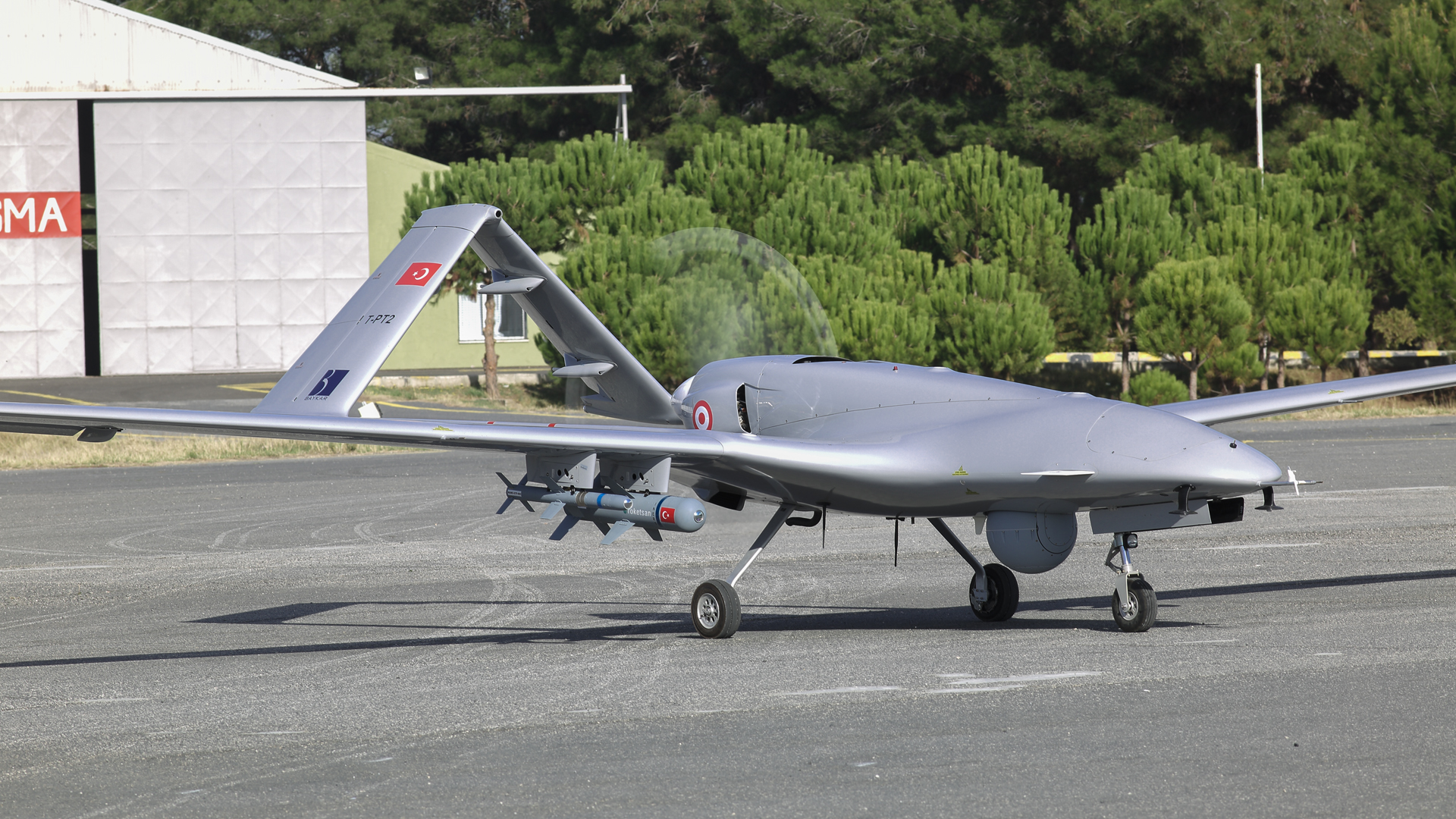
OnAlert’s analysis highlighted that Turkish drones are no longer operating alone in the Aegean. In some cases, the drones were spotted in the area before the F-16s, while in other operations the fighter jets and drones moved simultaneously along different routes.
According to Greek defense media, this requires Greek pilots to monitor not only the unmanned aerial vehicle in front of them but also air activity across a wider area.

Greek pilots instructed to “monitor the overall picture”
One of the notable points was the instructions given to Hellenic Air Force personnel. While tracking a drone, pilots were instructed not to focus solely on that aircraft but also to continuously monitor the positions of Turkish fighter jets in the surrounding area.
Greek pilots were instructed to monitor the overall tactical picture and operate in a way that would allow them to react quickly when necessary. At the same time, avoiding actions that could cause uncontrolled tension or an accident was also identified as a priority.

F-16s and drones were seen together in September
Greek media cited a series of air activities in September as an example. On September 7, two Turkish F-16s, one CN-235 and two drones were recorded in the Aegean. Greek sources said the F-16s were armed and that an engagement occurred during the interception.
On September 11, six Turkish F-16s and three drones operated in the area. Greek authorities said four of the F-16s were armed and that two engagements occurred while Greek fighter jets were carrying out the interception.

Ten Turkish aircraft were recorded on September 18
The air activity continued in the following days. According to figures released by Greek authorities for September 18, a total of 10 Turkish aircraft—four F-16s, five drones and one ATR-72—operated in the northeastern, central and southeastern Aegean.
The Greek side said it recorded 13 violations of air traffic rules and seven airspace violations during these activities. Greek sources said the aircraft in the area were identified and intercepted by Greek fighter jets.
Drones’ ability to remain airborne for long periods draws attention
OnAlert’s analysis also highlighted the different operational characteristics of drones compared with fighter jets. The ability of unmanned aerial vehicles to remain airborne for long periods, without being subject to limitations such as the endurance of pilots in manned fighter jets, can make tracking missions last longer.
Greek defense media assesses that the presence of F-16s alongside drone operations in the same operational picture requires the Hellenic Air Force to track more elements simultaneously.

Activity in the Aegean is being closely monitored
Six Turkish drones were also reported to have operated in the Aegean on September 20. Greek authorities said the drones were identified and intercepted by Greek fighter jets.
Because F-16 and drone activities have been recorded successively in recent weeks, Turkey’s air operations in the Aegean remain a focus of Greek defense media.