Gustavo Petro’s four-year presidency in Colombia ended on August 7 with a modest ceremony held at Plaza de Armas in Bogotá. Petro left by walking through the stone courtyard of the presidential palace with a small group consisting of his family and cabinet members who remained in office.
The Presidential Guard Battalion accompanied the ceremony. There were no large crowds, flags, official symbols of the transfer or elaborate protocol arrangements.
Transfer ceremonies took place in two cities
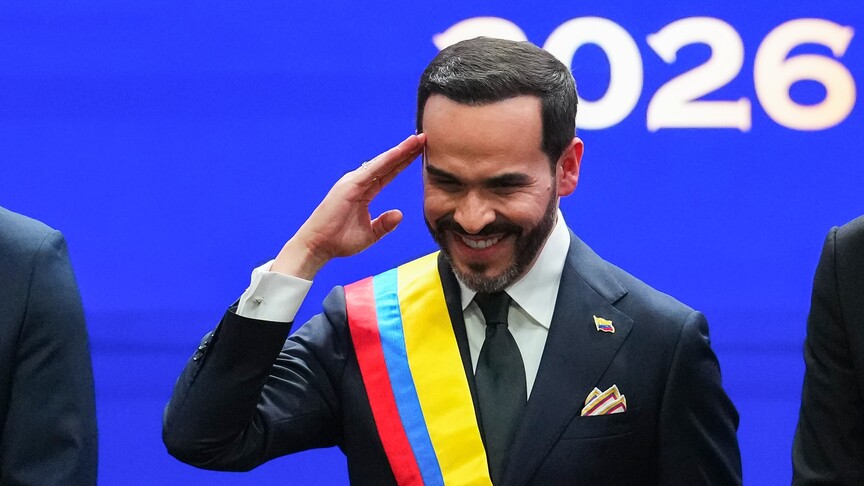
Unlike the quiet ceremony in Bogotá, Abelardo de la Espriella assumed the presidency in Cali, about 500 kilometers away, at a more elaborate ceremony attended by large crowds and foreign guests. The contrasting scenes in the two cities on the same day were viewed as a symbol of Colombia’s political polarization.
Petro’s departure from office took place within the minimum protocol required by the constitution. The traditional presidential sash was not handed over.
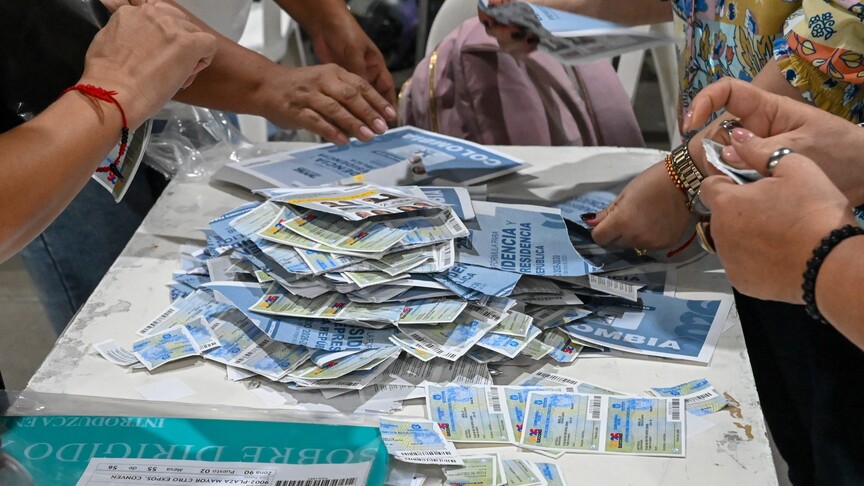
In the final hours before the change of government, Petro hesitated to recognize the election results and described the incoming administration as an “illegitimate government.” Petro also alleged systematic vote fraud at more than 1,600 polling stations.
Reform agenda made little progress
When Petro took office in August 2022, he pledged to change the economic model, redistribute wealth, move away from fossil fuels and implement “Total Peace” to end the country’s armed conflicts.
The administration’s priorities included abolishing private health promotion organizations and establishing a state-run universal basic healthcare system, expanding pension coverage for low-income older people and holding parallel negotiations with armed groups.
However, the broad legislative coalition broke apart in early 2023 following disagreements over healthcare reform. Unable to secure a lasting majority in Congress, the administration’s key initiatives were blocked, postponed or narrowed in scope.
Under the “Total Peace” policy, negotiations conducted simultaneously with the National Liberation Army, groups that split from the FARC and powerful criminal organizations also faced serious criticism. Assessments emerged that criminal organizations had expanded their regional control and military capacity during the process.
Measurable progress was achieved in poverty and unemployment during Petro’s presidency. The administration also increased access to the presidency for broader segments of society.
Corruption debates and political tensions
The administration, which took office promising to combat corruption, faced controversies that damaged its credibility throughout its term. Allegations emerged that disaster-relief funds had been embezzled and directed toward bribing congressional leaders in exchange for their support for reform bills.
Petro’s son Nicolas was detained in 2023 on money-laundering allegations. The action followed allegations that illegal campaign contributions had been received during the 2022 presidential election.
National electoral authorities also launched audits into allegations that spending limits had been exceeded during the 2022 presidential campaign. These investigations led to years of tension between the institutions and the administration.
Controversies surrounding Petro’s inner circle continued during the final weeks of his term. Family members and former supporters publicly criticized the administration’s governing approach and political appointments.
Throughout his term, Petro frequently clashed in public with the high courts, the attorney general’s office and major business organizations. He described institutional opposition as an attempt to carry out a “soft coup” against his administration.
Petro maintained strong support in rural areas, labor organizations and marginalized segments of society, while his confrontational political style alienated middle-class urban voters and traditional political circles.
In one of his final online photographs before leaving office, Petro posed in his office beside a portrait of Simón Bolívar. Petro described the portrait as “my comrade in the struggle in the abandoned presidential office.”
Petro brought economic inequality, climate policy and social justice to the center of Colombia’s political agenda. However, unable to turn its broad objectives into lasting legislative achievements, the administration left behind a politically isolated picture at the end of its term.