- BIST10011,430-2.49%
- USD49.45+0.05%
- EUR55.62+0.37%
- GOLD4,155.00-0.12%
- INTEREST37.00%-1.00
- BITCOIN81,918-0.11%
- October 20, 202616°
- BIST10011,430-2.49%
- USD49.45+0.05%
- EUR55.62+0.37%
- GOLD4,155.00-0.12%
- INTEREST37.00%-1.00
- BITCOIN81,918-0.11%
- October 20, 202616°
Haaretz: Netanyahu may restart Gaza war to win elections
Haaretz military analyst Amos Harel suggested that Prime Minister Benjamin Netanyahu could restart the war in Gaza in order to win votes ahead of the upcoming general election.


Haaretz military analyst Amos Harel wrote that Prime Minister Benjamin Netanyahu could restart the war in Gaza ahead of the upcoming general election.
Harel noted that after U.S. President Donald Trump imposed ceasefires in Iran and Lebanon, Netanyahu could escalate the conflict in Gaza again to win elections, which is his main goal.
Anticipated meeting with Trump
The analyst noted that the announcement of the expected meeting between Trump and Netanyahu at the White House has so far attracted little attention. While the date of the meeting has not yet been announced, assessments in Jerusalem indicate it could take place in late July or early August.
Harel emphasized that Netanyahu needs the U.S. president ahead of the Knesset elections, but that relations between the two leaders have recently been strained. He recalled that spokespeople close to Netanyahu launched harsh personal attacks against Trump on the pro-Netanyahu Channel 14.
Trump's attitude toward Netanyahu has changed
According to Harel, Trump not only stopped the war in Iran against Netanyahu's wishes, but also imposed a ceasefire on Israel in Lebanon against Hezbollah and cut short his rhetoric that Netanyahu should be pardoned in his criminal case. Statements and leaks from people close to Trump indicate a degree of displeasure, and at times a sense of humiliation, toward Netanyahu.
Israel continues to violate the Lebanon ceasefire agreement that has been in effect since November 2024 and the framework agreement signed on June 26, 2026 under U.S. mediation. The agreement envisaged Israel's gradual withdrawal from Lebanese territory starting from two pilot areas. Despite this, Israel's attacks on Lebanon have continued since March 2, 2026, and Israeli forces have advanced more than 10 kilometers in the south.
Netanyahu's influence on Trump
Harel stated that Netanyahu has shown a considerable ability to influence Trump in the past, especially in face-to-face meetings. During Trump's first presidency and the first year of his second term, Netanyahu got what he wanted on multiple occasions, the peak being his persuasion of Trump in February that the plan to topple the regime in Tehran was feasible, but with the outbreak of war that plan completely collapsed.
On February 28, 2026, Israel and the U.S. launched an attack on Iran, which lasted until a ceasefire was declared on April 8. In June, the U.S. and Iran signed a memorandum of understanding foreseeing an end to hostilities, the lifting of the U.S. naval blockade on Iran, and the reopening of the Strait of Hormuz. The latest round of negotiations between the two countries took place on June 30 in Doha.
Election objective and prolonging the war
Harel said that Netanyahu would also want to raise other urgent issues in his meeting with Trump, in addition to proving that relations between the two countries are still solid. Stressing that the fundamental goal underlying all the prime minister's recent actions and statements is to win the upcoming elections, Harel noted that it is logical for Netanyahu to try to gain some flexibility in the use of military force, as recent polls do not look promising for him.
The analyst suggested that throughout the war that began on October 7, Netanyahu prolonged the conflict to create a perpetual sense of emergency that would keep him in power. He reported that in an interview with Channel 14 last week, Netanyahu implied that a state of continuous war was desirable for Israelis.
Harel said that if the war resumes, Netanyahu could place the security agenda at the center of political debate, while most of his opposition rivals would struggle to adopt a different stance on the use of military force for fear of appearing weak in comparison to him.
Signs of a large-scale operation in Gaza
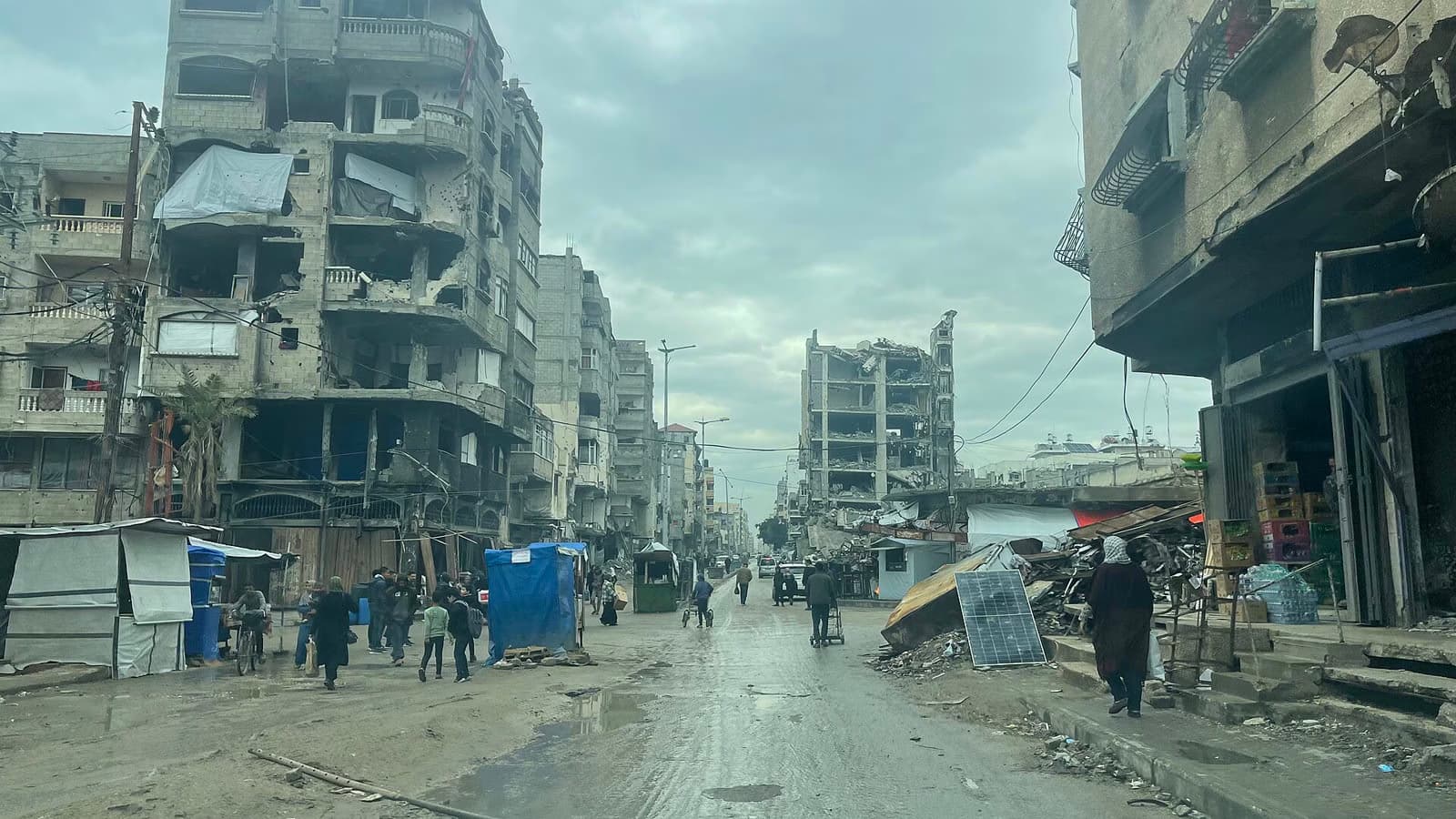
Pointing to increased reports in recent weeks about the possibility of a large-scale military operation in Gaza that would supposedly end Hamas's presence definitively and truly, Harel noted that although a ceasefire has been in effect between Israel and Hamas since October 10, 2025, Israel violates it daily with bombardments and ground operations, and that Tel Aviv also fails to comply with the humanitarian aid protocol.
According to data from the Palestinian Ministry of Health, as of Monday, 1,072 Palestinians had been killed and 3,463 injured as a result of Israel's ceasefire violations. In Israel's genocide war in Gaza, which began on October 8, 2023, more than 73,000 Palestinians have been killed, over 173,000 have been wounded, and 90 percent of civilian infrastructure has been destroyed.
General elections in Israel are expected to take place in October. Public opinion polls show that Netanyahu's camp has no chance of reaching the 61 seats required to form a government.
Stay Updated with The Turkiye Times
Subscribe to be informed about special news, developments and announcements. We will keep you informed.
By signing up, you agree to our Privacy Policy