- BIST10012,151-0.94%
- USD49.34+0.24%
- EUR55.21-0.01%
- GOLD4,186.40-0.10%
- INTEREST37.00%-1.00
- BITCOIN81,358-0.48%
- October 13, 202617°
- BIST10012,151-0.94%
- USD49.34+0.24%
- EUR55.21-0.01%
- GOLD4,186.40-0.10%
- INTEREST37.00%-1.00
- BITCOIN81,358-0.48%
- October 13, 202617°
Hungarian PM Magyar: We can meet euro conditions by 2030
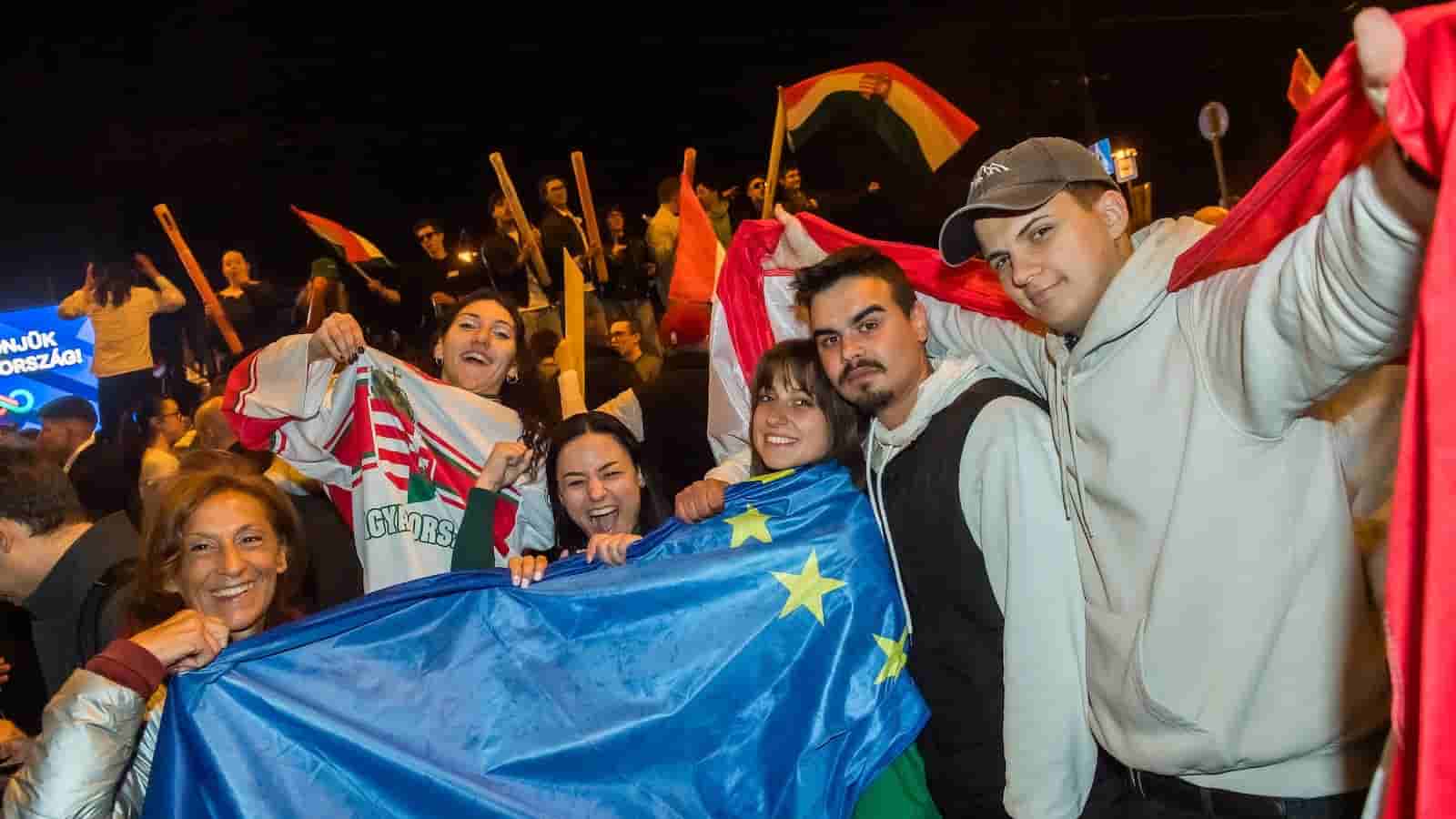
Hungarian Prime Minister Peter Magyar said his country currently meets none of the euro criteria, but could fulfill the necessary conditions around 2030. Magyar stated that the biggest challenge is reducing public debt.


Hungarian Prime Minister Peter Magyar said at a press conference following his meeting with Eurogroup President Kyriakos Pierrakakis in the capital Budapest that his country currently meets none of the criteria required for joining the Eurozone, but could meet these conditions by around 2030. Magyar emphasized that the most difficult step will be reducing public debt.
Referring to spending decisions taken by the right-wing government of former Prime Minister Viktor Orban ahead of the elections, Magyar said these policies caused the budget deficit to rise well above initial targets and led to a downgrade of Hungary's credit rating. He noted that credit rating agencies have stated that efforts to adopt the euro would have a positive impact on the country's credit standing.
Budget Deficit and Euro Target
Magyar criticized the Orban administration for misleading the public about the financial situation, and said the ongoing fiscal review will form the basis for a revised 2026 budget, which is planned to be submitted to parliament by the end of August. The prime minister had previously stated in an assessment that this year's budget deficit could reach 6.8% of gross domestic product, above the initial estimate of 5% and more than double the 3% level required for joining the European common currency.
Magyar said the euro would bring more predictability, growth and stability to the Hungarian economy, and that lower borrowing costs due to increased market confidence could generate significant savings for the state budget, according to Anadolu Agency.
Support from the Eurogroup
Eurogroup President Pierrakakis, speaking at the meeting, refrained from giving any timeframe for Hungary's entry into the Eurozone, according to Reuters. Pierrakakis stated that the Eurogroup would support efforts to join the monetary union.
The Eurozone includes 21 of the 27 member states of the European Union, including Germany, France, Italy and Spain.
Stay Updated with The Turkiye Times
Subscribe to be informed about special news, developments and announcements. We will keep you informed.
By signing up, you agree to our Privacy Policy