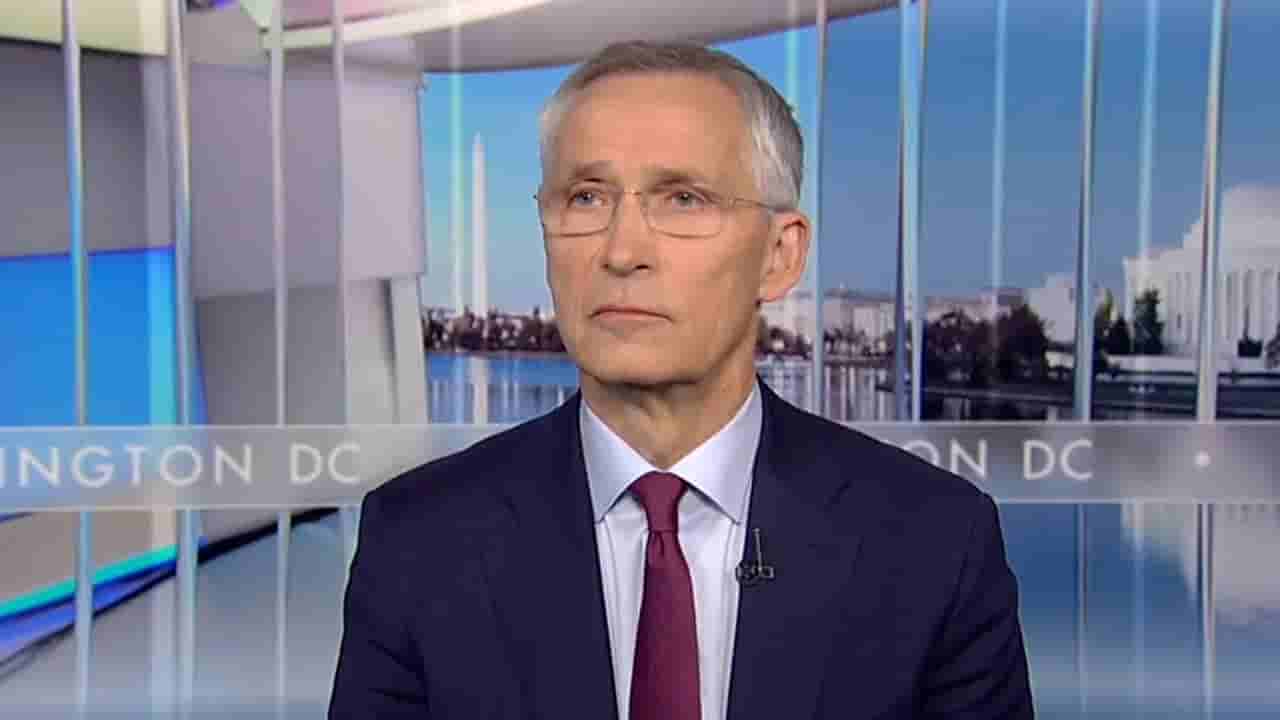
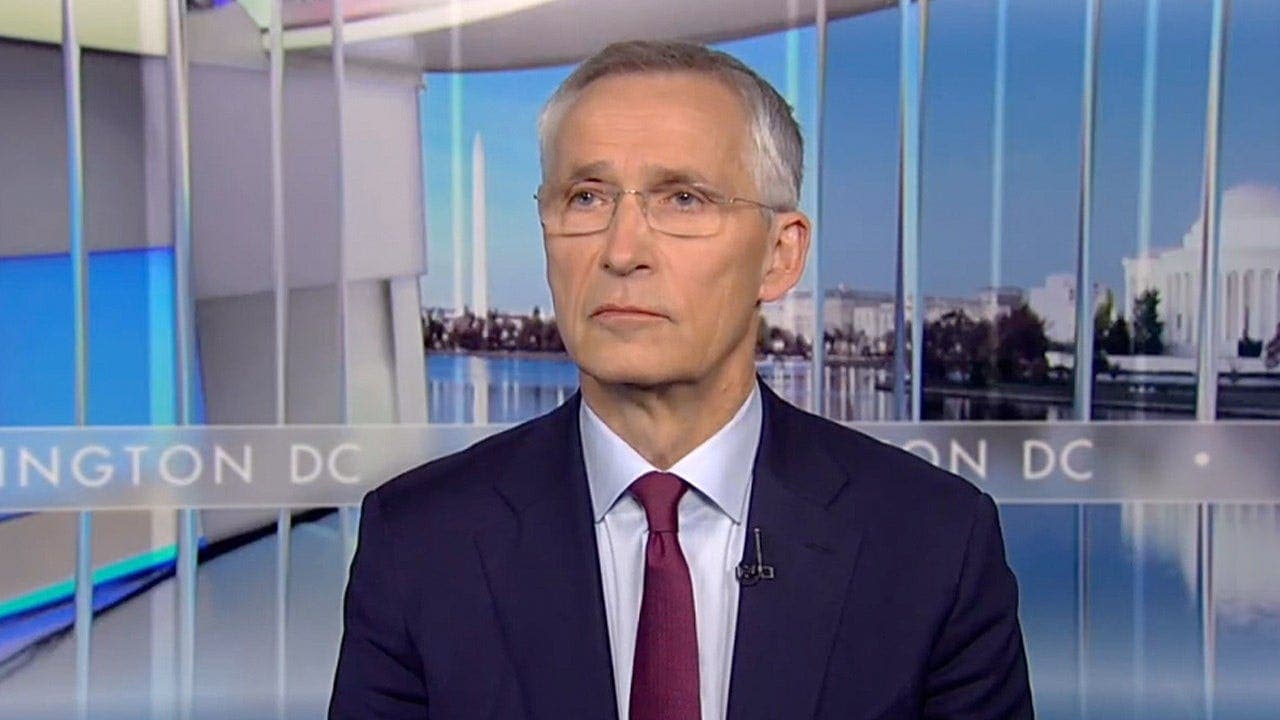
Former NATO Secretary General and current Norwegian Finance Minister Jens Stoltenberg drew clear lines regarding NATO's role during the Iran crisis. Stoltenberg emphasized that NATO is a defensive alliance and that military operations against Iran are not conducted under the NATO umbrella. Although US President Donald Trump is pressuring European allies to provide more active military support in the Iran crisis, many European countries reject direct military intervention and prefer diplomacy and sanctions. This situation reveals deep disagreements between the US and Europe over NATO's mission and responsibilities.
Trump criticized NATO allies, arguing that the alliance did not sufficiently support the US in the Iran crisis, and described this situation as a test for the alliance's future. Meanwhile, European Union foreign policy chief Kaja Kallas stated that this conflict is not Europe's war. While countries like Spain and France avoid directly supporting US military operations, some continue to provide logistical support. For example, the United Kingdom and Romania allowed US forces to use their bases for refueling and surveillance.
Stoltenberg rejected views that Europe has completely abandoned the US, stating that most allies are providing logistical support. The Iran crisis has caused fluctuations in global energy markets due to the closure of the Strait of Hormuz and disruptions to regional energy supply. While natural gas prices in Europe have risen significantly, oil and gas exporting countries like Norway are partly benefiting economically from this situation. However, risks of rising inflation and slowing economic growth are also on the agenda.