- BIST10012,151-0.94%
- USD49.34+0.24%
- EUR55.21-0.01%
- GOLD4,186.40-0.10%
- INTEREST37.00%-1.00
- BITCOIN81,358-0.48%
- October 13, 202617°
- BIST10012,151-0.94%
- USD49.34+0.24%
- EUR55.21-0.01%
- GOLD4,186.40-0.10%
- INTEREST37.00%-1.00
- BITCOIN81,358-0.48%
- October 13, 202617°
Istanbul opens ‘Behind the Republic’ exhibition featuring 90,000 negatives
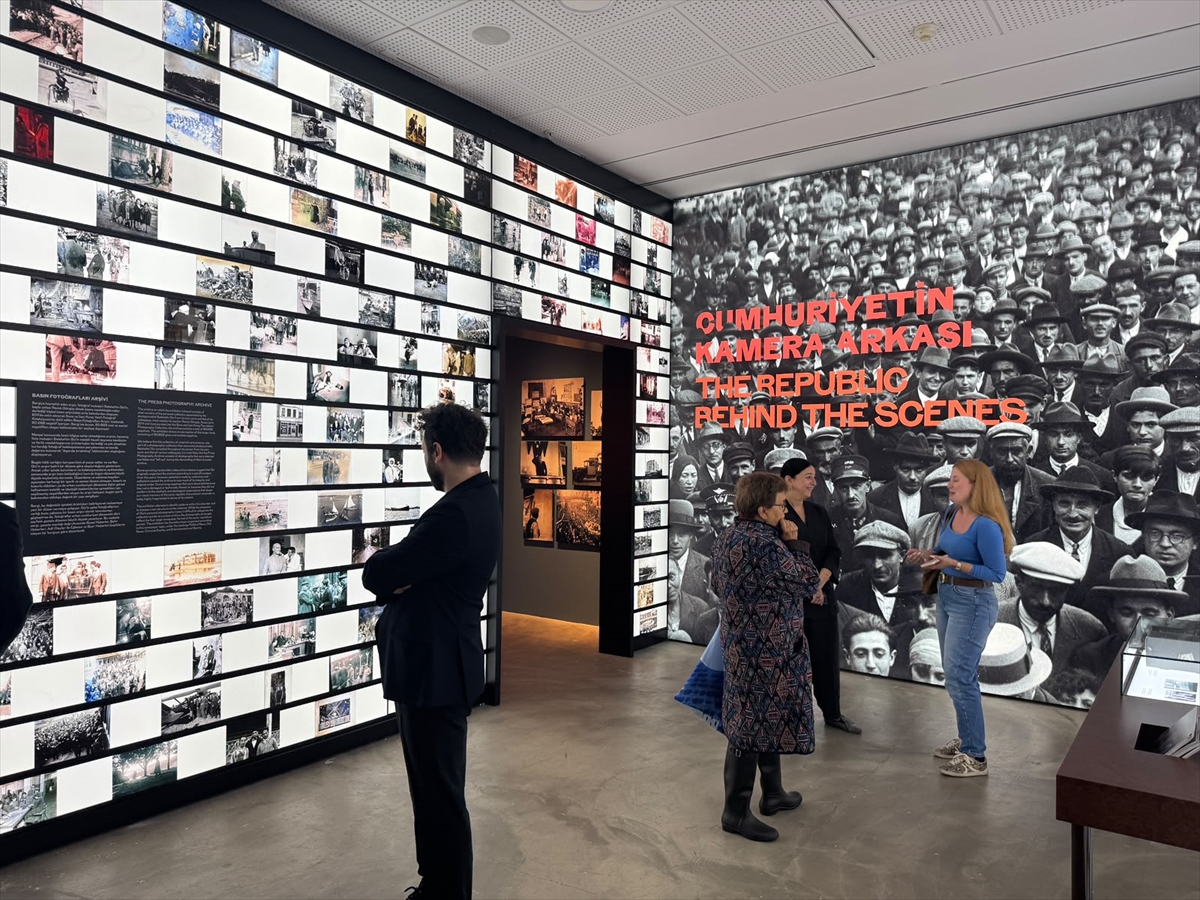
The exhibition ‘Behind the Republic’, prepared to mark the 20th anniversary of the Istanbul Research Institute, has opened to visitors at the Pera Museum.


The exhibition ‘Behind the Republic’, prepared to mark the 20th anniversary of the Istanbul Research Institute, has opened at the Pera Museum. Curated by İdil Çetin and Ahmet Ersoy, the exhibition offers a different perspective on Istanbul’s daily life and visual memory through photographs dating from the 1920s to the early 1950s.
The selection was drawn from the Press Photographs Archive within the Suna and İnan Kıraç Foundation Photography Collection. The archive contains 90,052 glass and acetate negatives dating from approximately the 1910s to the early 1970s. The exhibition focuses on around 20,000 negatives from this extensive collection dating from the 1920s to the 1950s.
Scenes from Istanbul’s daily life that did not reach the press
The exhibition explores daily life on the streets, the rhythm of the city, neighborhoods, crowded avenues, working life, sports venues and entertainment spaces through different photographic series. Alongside the social and political events of the period, images that did not appear in newspaper pages are also brought to light.
Accidents, fires, crime scenes, prisoners, injured people and those waiting in courthouse corridors reflect the harsher side of the period’s news world. Photographs of family gatherings, excursions and groups of friends, meanwhile, reveal the transitions between professional photography and private life.
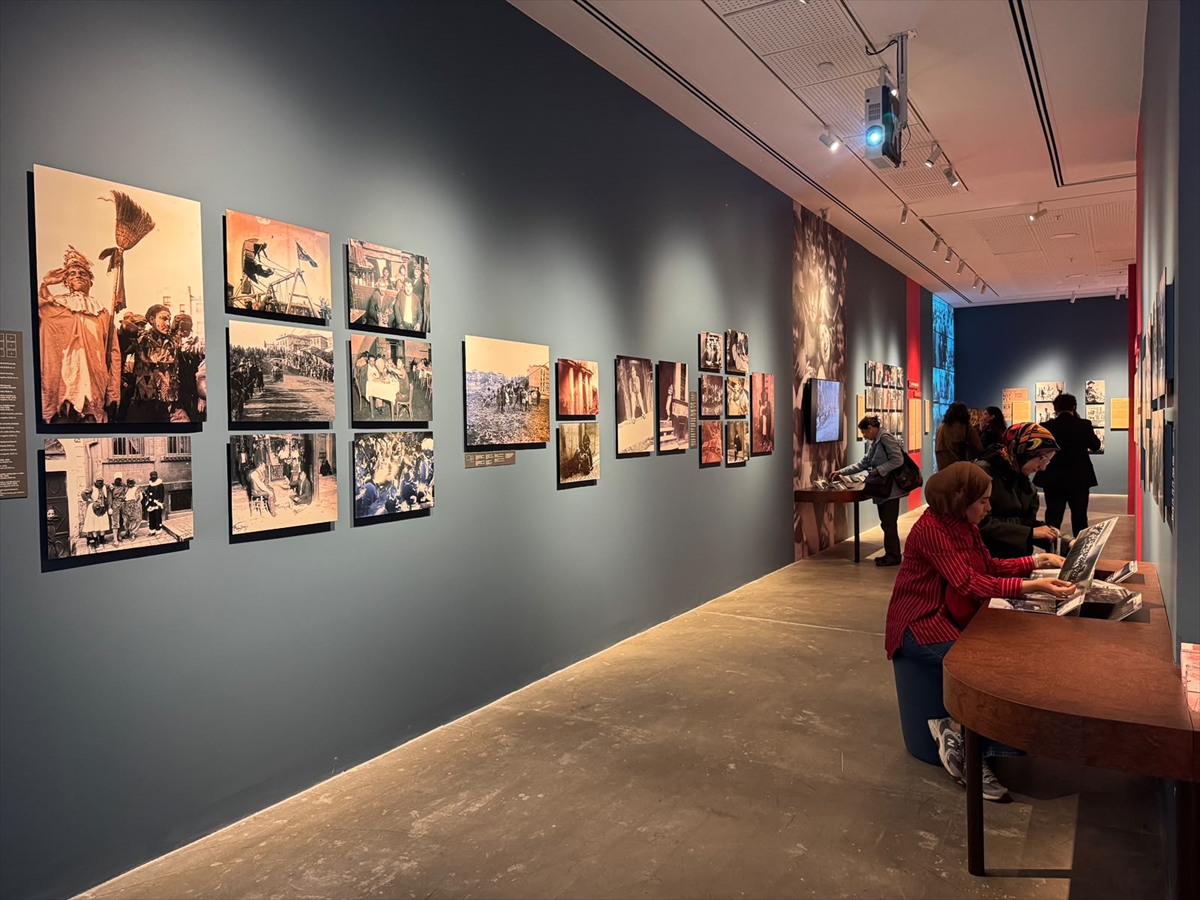
Alongside single images published in newspapers, photographs documenting the moments a few seconds before and after the same event are displayed together. Cropping, scraping and masking on the negatives reveal the editorial process the photographs underwent before reaching the newspaper page.
The role of Selahattin Giz and Namık Görgüç in building the archive
Gülru Tanman, director of the Istanbul Research Institute, said at the opening meeting that the Press Photographs Archive is the largest and most complex group in the Suna and İnan Kıraç Foundation Photography Collection. Tanman said the archive, consisting of more than 90,000 glass and acetate negatives, was purchased in 2011 and put into use in 2013 after an approximately two-year restoration and digitization process.
Tanman said it had become clear that the archive was part of the personal archive of Selahattin Giz, one of the early press photographers. A significant portion of the archive consists of photographs taken by Giz’s mentor, Namık Görgüç, and by other photojournalists working during the same period.
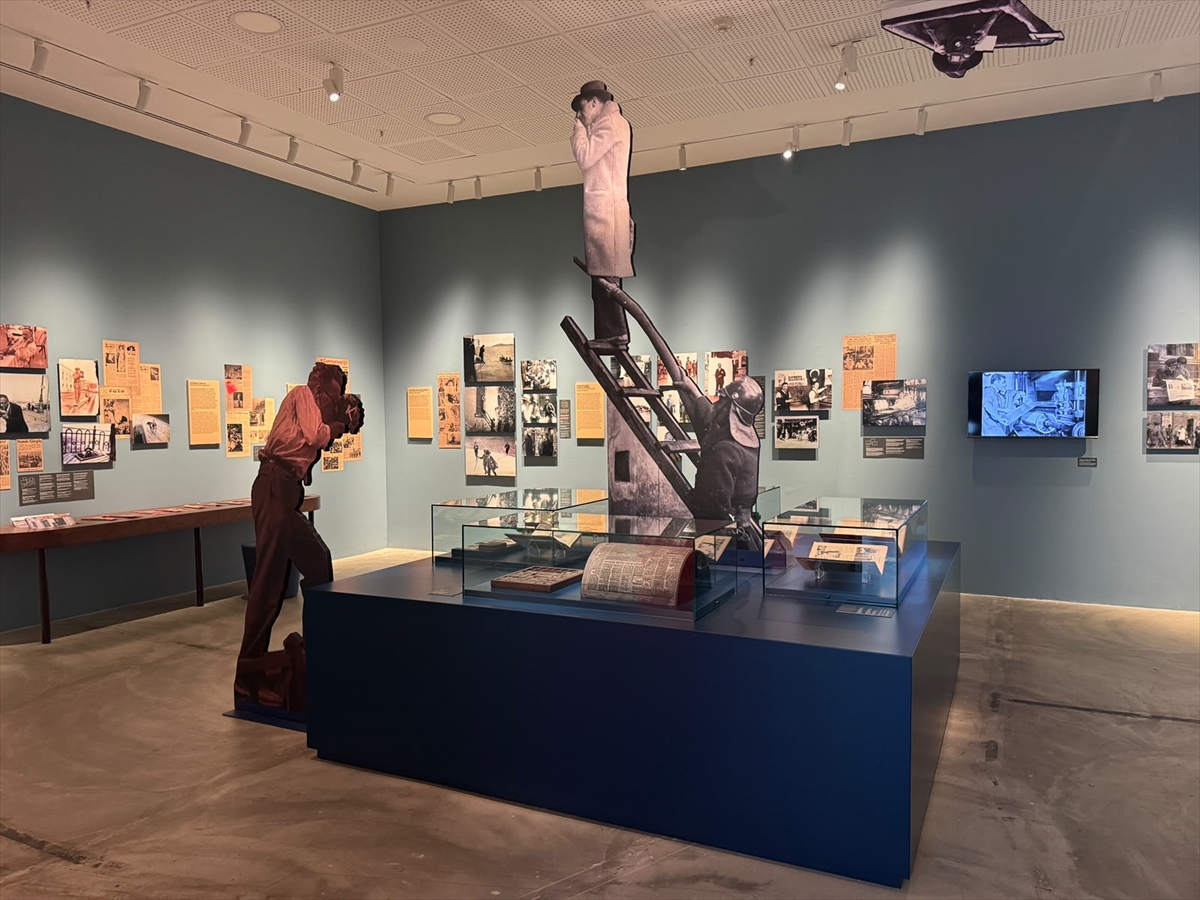
İdil Çetin, one of the exhibition’s curators, emphasized that the collection does not consist solely of photographs taken by Selahattin Giz. Çetin said the archive also contains press photographs taken before Giz began working as a photographer, adding that Giz collected the negatives of photojournalists working in Istanbul and that the photographs of Namık Görgüç, with whom he worked at the Cumhuriyet newspaper, occupy a substantial place in the collection.
Namık Görgüç, who established Cumhuriyet newspaper’s photography department with Benli Kemal in 1924, documented Istanbul through his photographs. After Görgüç’s death in 1947, Selahattin Giz preserved and expanded the archive. The collection also includes works by other photographers of the period, including Cemal Göral and Faik Şenol.
The archive’s pluralistic character comes to the fore
İdil Çetin said the photographs show urban problems, forms of entertainment, street life and city life intertwined with nature that fall outside the visual repertoire associated with the early Republican period. The exhibition brings together different aspects of the period by dividing the archive into political, urban, crime and entertainment news sections.
Curator Ahmet Ersoy said the curatorial team aimed to remain in the background and let the archive itself take center stage. Ersoy said the archive, consisting largely of everyday photographs that were never used by newspapers, makes it possible to move beyond uniform and reductive narratives about the early Republican period because of its irregular and fragmented structure.
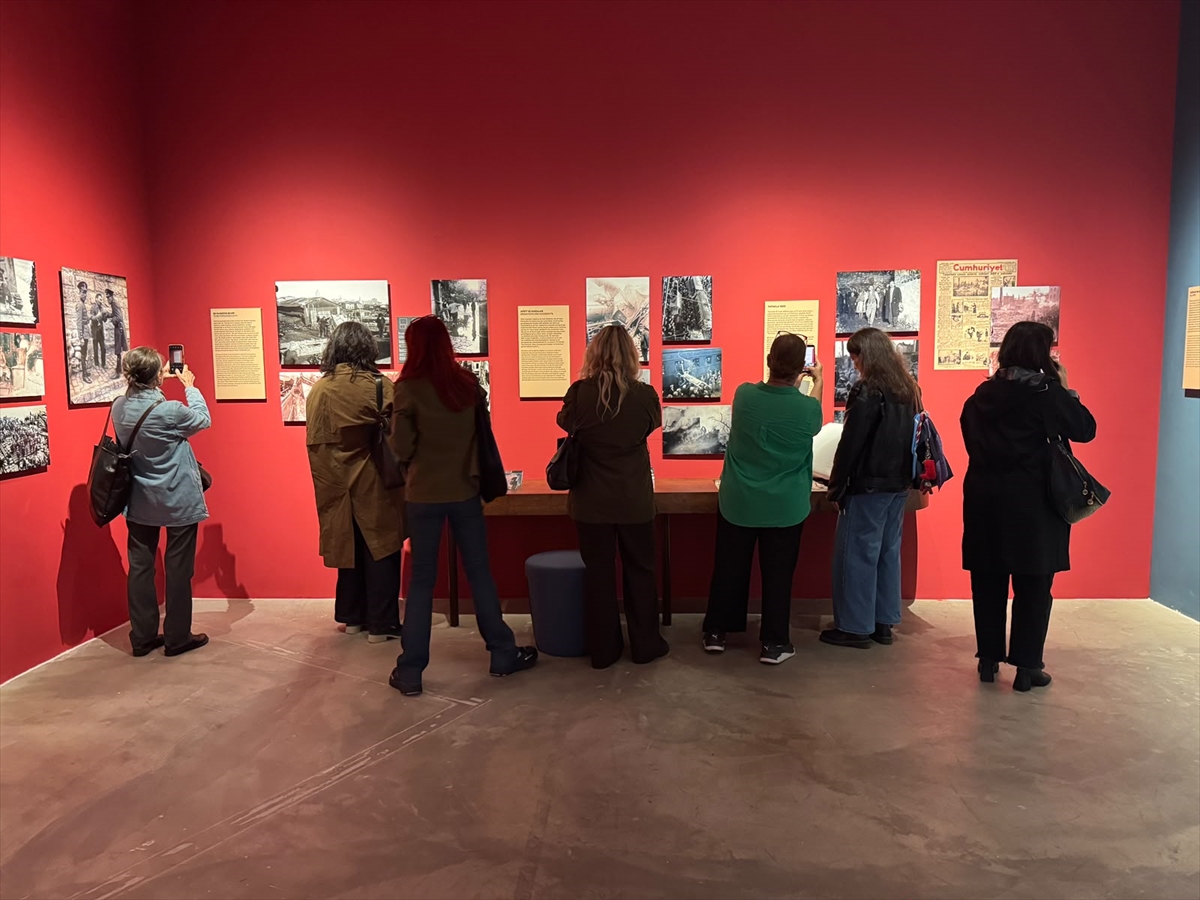
The first group from the Press Photographs Archive used in the exhibition consists of 12,586 glass negatives and 8,097 acetate negatives. Cataloging work is continuing with new information about the people, locations and events depicted in the photographs.
The exhibition is accompanied by a catalog
The catalog prepared for the exhibition examines the Press Photographs Archive under the headings of photographic history, press culture, archival studies and visual memory. The publication includes contributions by Gülru Tanman, Kerim Suner, Mehmet Erken, Cengiz Kahraman, Geoffrey Batchen, Wolfgang Ernst, Ahmet A. Ersoy, Özge Baykan Calafato, İdil Çetin and Sidar Bayram.
The exhibition ‘Behind the Republic’ can be visited at the Pera Museum until March 28, 2027. The museum will be open from 10:00 to 19:00 Tuesday through Saturday and from 12:00 to 18:00 on Sundays; ‘Long Friday’ will take place from 18:00 to 22:00 on Fridays, while ‘Young Wednesday’ will be held for students on Wednesdays.
Stay Updated with The Turkiye Times
Subscribe to be informed about special news, developments and announcements. We will keep you informed.
By signing up, you agree to our Privacy Policy