- BIST10012,151-0.94%
- USD49.220.00%
- EUR55.21+0.28%
- GOLD4,194.30-0.52%
- INTEREST37.00%-1.00
- BITCOIN82,977-0.83%
- October 12, 202619°
- BIST10012,151-0.94%
- USD49.220.00%
- EUR55.21+0.28%
- GOLD4,194.30-0.52%
- INTEREST37.00%-1.00
- BITCOIN82,977-0.83%
- October 12, 202619°
Five siblings preserve Yörük traditions with their families in Afyonkarahisar’s highlands
Five siblings and their families living on the Dipsiz plateau in Afyonkarahisar’s Şuhut district continue sheep breeding and farming while preserving their traditional clothing, local dialects and folk dances. Their way of life evokes nostalgia among visitors who once lived in rural areas.


The Dipsiz plateau in Afyonkarahisar’s Şuhut district stands out as the home where five siblings and their families maintain Yörük traditions. The siblings spend the summer grazing their sheep, caring for the animals, working the land and harvesting their crops.
The family prepares its meals with products it grows and produces itself. In daily life, they preserve their local dialect, their distinctive ways of communicating and their solidarity based on sharing responsibilities.
Traditional clothing and folk dances
Yörük culture is not limited to the family’s work routine on the plateau. While the siblings’ long hair and mustaches attract attention, they wear simple clothes for daily tasks and prefer wide-legged trousers, wide-collared shirts and vests in their social lives.
The siblings also continue performing folk dances accompanied by local melodies. They keep these dances alive as part of the traditions passed down to them from previous generations.
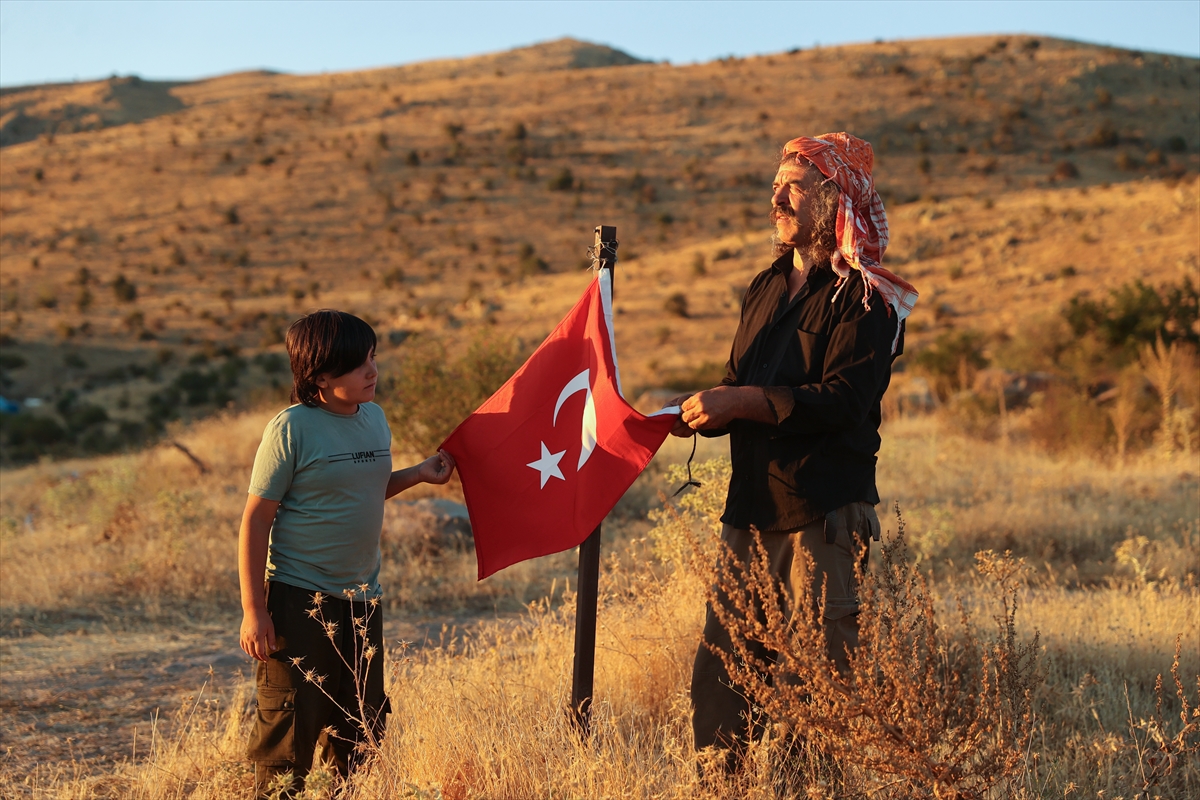
Living on land inherited from their ancestors
İsmail, the eldest of the five siblings, spends his days on the plateau with his brother İlyas. The other three siblings join them on the plateau in the evenings after completing their work in the city.
Approximately 200 decares of the land where the family lives is part of an inheritance left by their ancestors, who once plowed the soil with oxen. Over time, not all of the land divided among the siblings has remained under the family’s ownership.
İsmail says they use the land inherited from their ancestors as a living space and grow crops from seeds passed down from previous generations. He says they have chosen to continue this life despite the difficult natural conditions.
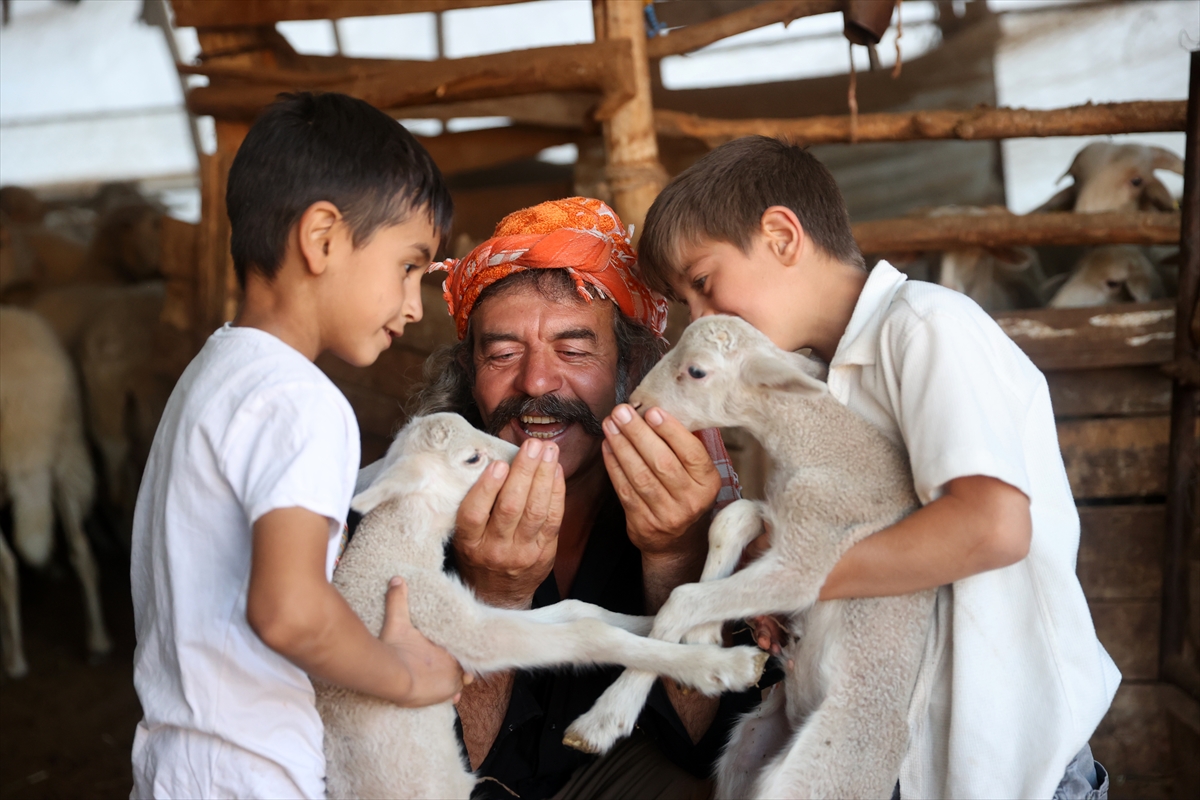
İsmail says the snow that fell last May caused their sheep shelters to collapse, adding that they view the hardships they experience as part of this way of life. He emphasizes that they must continue working to sustain sheep breeding and production.
Evoking nostalgia among visitors
The siblings share glimpses of their daily life on the plateau on social media, and this way of life attracts visitors from Türkiye and abroad. Some visitors recall the rural days they spent with their fathers and uncles during their childhood.
İsmail says visitors who once herded sheep, lambs and goats become emotional when they see life on the plateau, and that they sometimes cry and laugh together during these encounters.
Passing the Yörük heritage on to new generations
The name Yörük is historically used for Turkic communities, particularly in Anatolia, associated with a nomadic way of life. This way of life is linked not only to agriculture and livestock breeding but also to preserving family ties and traditions passed down from generation to generation.
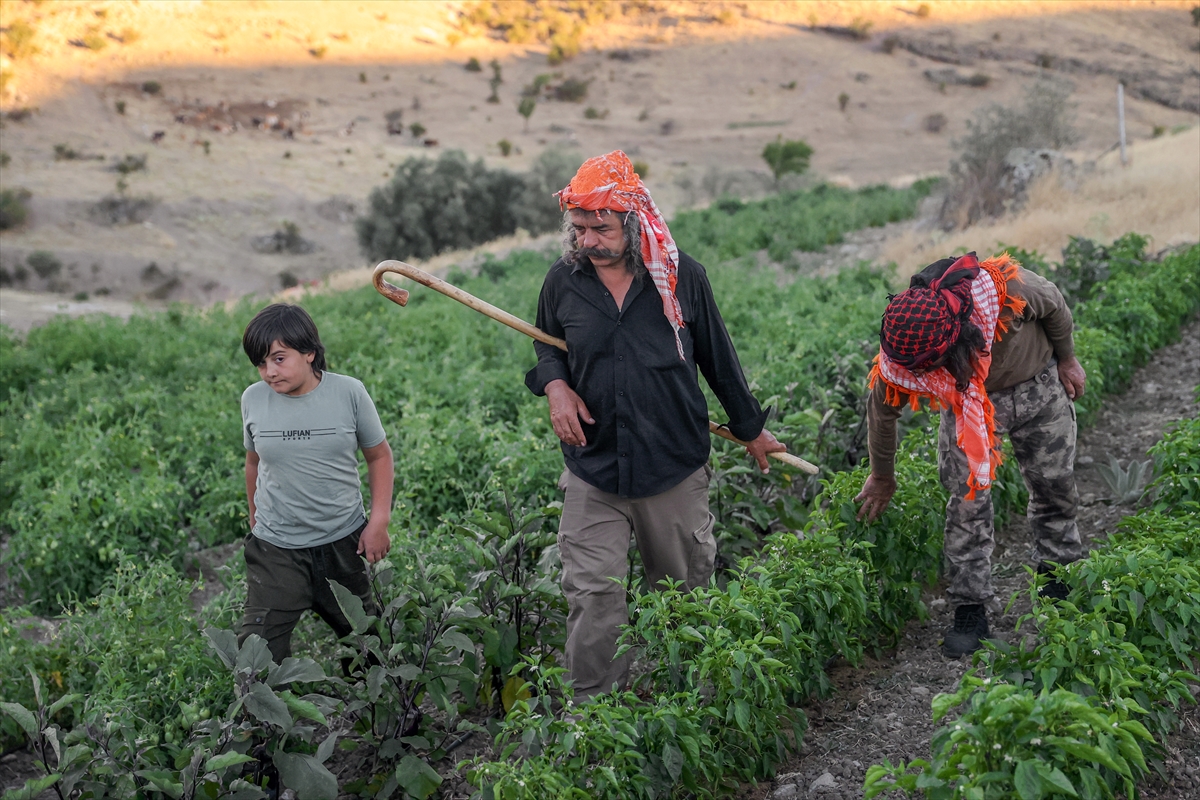
İlyas, 43, says the family is trying to pass its traditions on to new generations. Naming children and nieces and nephews after senior family members, raising them according to traditional values and preserving cultural ties are among the elements of this effort.
İlyas says being Yörük is not as easy as it may appear from the outside and that they endure hardships to preserve their culture and way of life. He says he goes to the city once a week and wants to return to the free and natural life in the mountains.
While the family says it respects those living in cities, it places importance on children being able to play freely in the mountains and on family members leading a calmer life. Seasonal migration to highland pastures and livestock breeding remain among the deep-rooted ways of life practiced in various parts of Türkiye.
Stay Updated with The Turkiye Times
Subscribe to be informed about special news, developments and announcements. We will keep you informed.
By signing up, you agree to our Privacy Policy














