- BIST10011,842-0.01%
- USD50.28+0.05%
- EUR55.60-0.24%
- GOLD3,860.00+0.18%
- INTEREST36.00%-1.00
- BITCOIN64,479-0.54%
- November 17, 202614°
- BIST10011,842-0.01%
- USD50.28+0.05%
- EUR55.60-0.24%
- GOLD3,860.00+0.18%
- INTEREST36.00%-1.00
- BITCOIN64,479-0.54%
- November 17, 202614°
Kacır announces $485 million for Türkiye’s green industrial transformation at COP31
Minister of Industry and Technology Mehmet Fatih Kacır announced that $485 million in long-term financing would be provided to Turkish industry through VakıfBank and Eximbank on COP31’s Science, Industry and Technology Day. Kacır said the 2030 Industry and Technology Strategy had placed the green transformation among Türkiye’s national priorities.


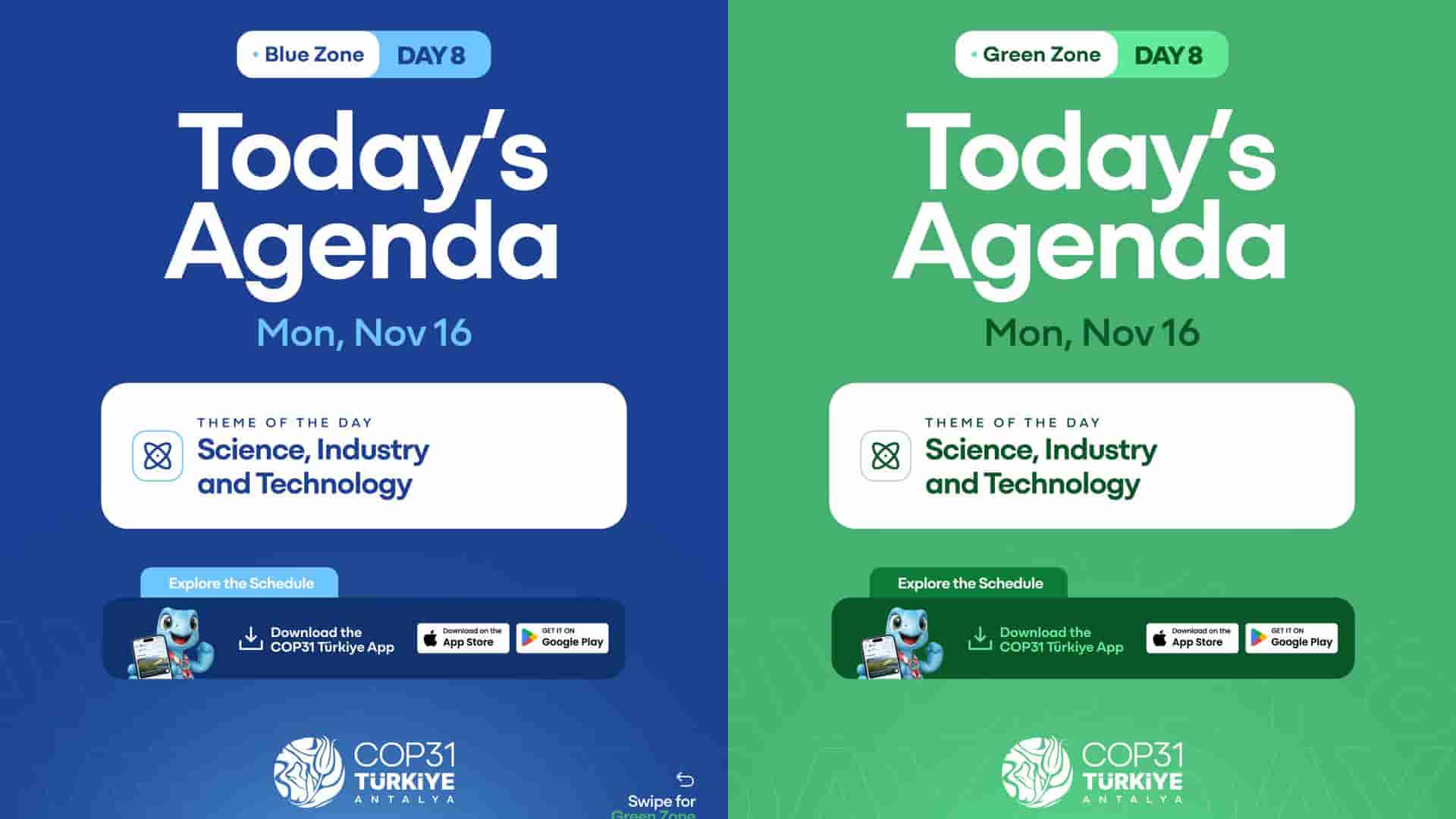
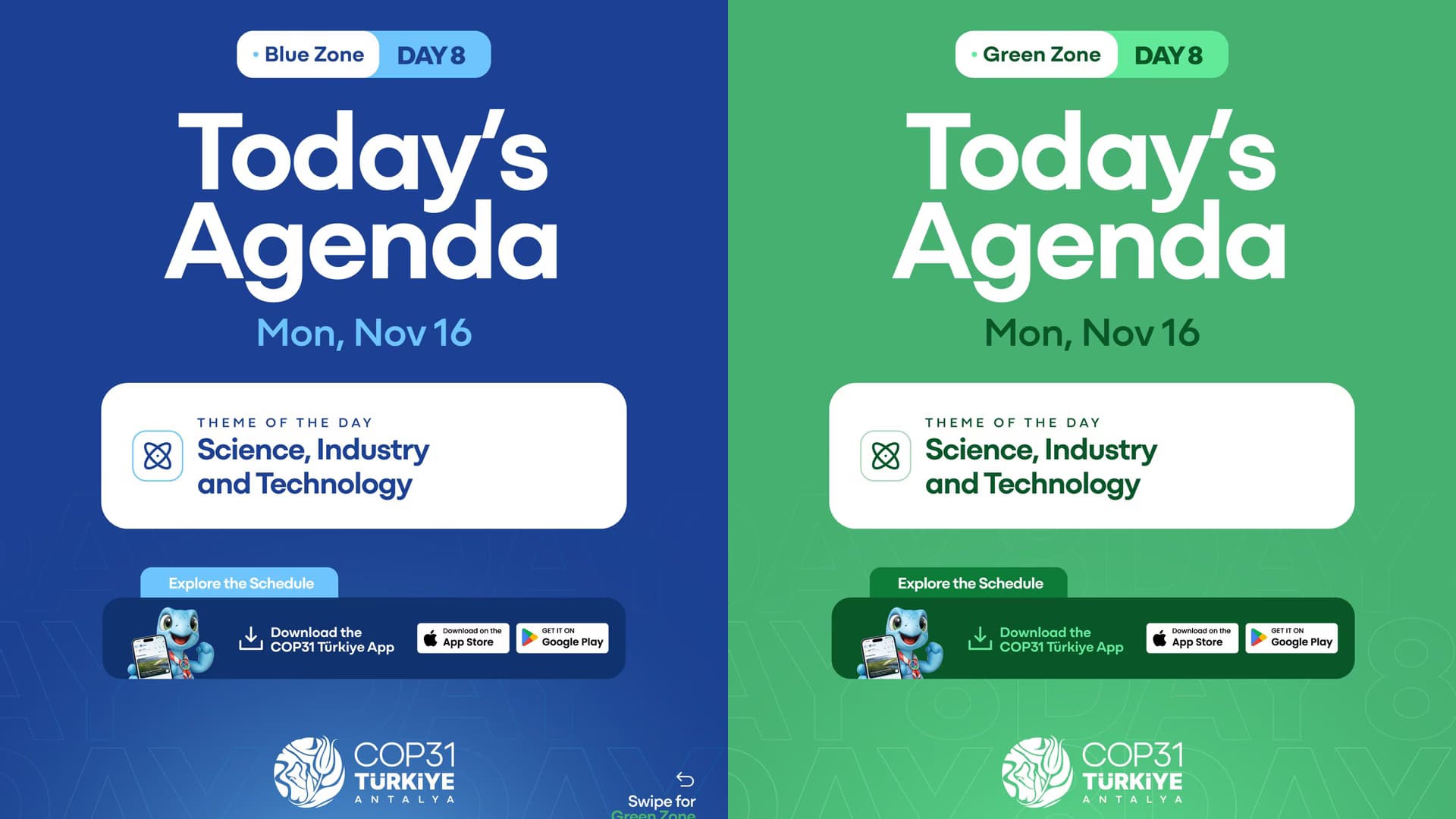
Minister of Industry and Technology Mehmet Fatih Kacır announced new resources for the green transformation of Turkish industry during the “Science, Industry and Technology Day” at the UN Climate Change Conference (COP31), which is being held in Antalya. Kacır said $485 million in financing would be provided to industry through VakıfBank and Eximbank on long-term and favorable terms.
Describing COP31 as a major platform where participants from more than 190 countries were discussing humanity’s future and the climate issue, Kacır said, “We are proud that Türkiye is hosting such a major organization under the leadership of our President Recep Tayyip Erdoğan.”
$1.25 billion from the World Bank and Islamic Development Bank
Kacır said they aimed to accelerate the green transformation of industry to help Türkiye achieve its 2053 net-zero target and emphasized that they were also bringing international resources to Turkish industry: “Recently, through the World Bank’s Türkiye Green Industry Project, Türkiye Organized Industrial Zones Project and Socially Inclusive Green Transition Project, we had brought more than $1 billion in financing to Türkiye. We also secured $250 million in international financing from the Islamic Development Bank for the sustainability projects of our organized industrial zones.”
Kacır said companies that have received the “Green Transformation Center” designation and benefited from the Green Transformation Incentive Program would be able to access World Bank financing effectively in the coming period. He also recalled that, under a new 3 billion lira program implemented through KOSGEB for small and medium-sized enterprises, financing of up to 7 million lira would be provided with no repayments for 2 years, a 3-year term and zero interest.
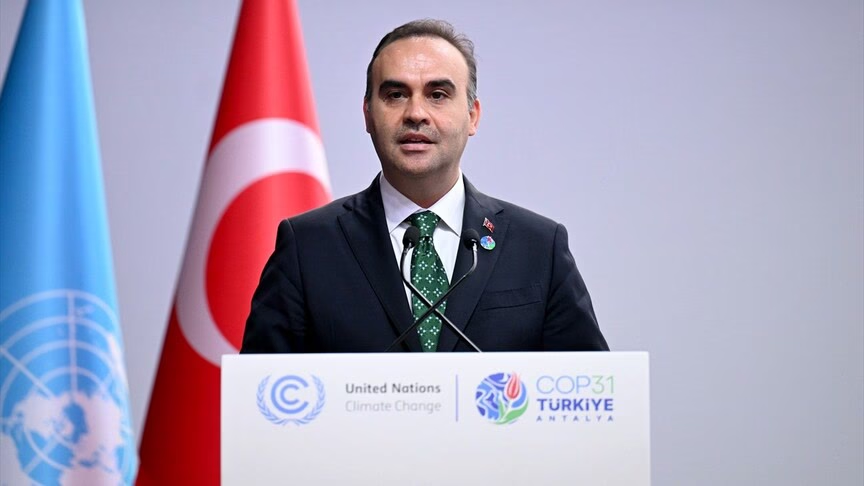
“We attach importance to COP31 becoming an implementation COP”
Speaking at the opening of the “COP31 Science Day High-Level Session,” Kacır said Türkiye’s 2030 Industry and Technology Strategy had placed the green transformation among national priorities: “Sector-specific technology road maps are guiding research and innovation in energy-intensive industries, including steel, aluminum, cement and chemicals.”
Recalling that the COP31 Presidency had set a target of increasing electricity’s share of global final energy consumption to 35 percent by 2035, Kacır emphasized that this ambition could be achieved only through the joint resolve of many countries. He said TÜBİTAK had designated the green transformation as one of its core research and development priorities, while the HIT-30 program had mobilized large-scale investments in battery, electric vehicle, solar cell and wind technologies.
Stating that no country could tackle climate change alone, Kacır said, “We attach importance to COP31 becoming an implementation COP. In other words, we hope it will be a platform that enables not only targets and programs but also direct implementation steps to be put into practice.” Kacır added that Türkiye was ready to contribute to international efforts that deliver the benefits of scientific and technological progress to all nations.
Photographs: AA.
Have a story, event or announcement of your own?Send us your news on WhatsApp
Spotted an error in this story?Report it on WhatsApp
Share on all social platforms
Sponsored Ads
Featured Listings
Loading featured properties...
Stay Updated with The Turkiye Times
Subscribe to be informed about special news, developments and announcements. We will keep you informed.
By signing up, you agree to our Privacy Policy