- BIST10011,842-0.01%
- USD50.28+0.05%
- EUR55.60-0.24%
- GOLD3,860.00+0.18%
- INTEREST36.00%-1.00
- BITCOIN64,479-0.54%
- November 17, 202614°
- BIST10011,842-0.01%
- USD50.28+0.05%
- EUR55.60-0.24%
- GOLD3,860.00+0.18%
- INTEREST36.00%-1.00
- BITCOIN64,479-0.54%
- November 17, 202614°
ITA Türkiye program launches at COP31 to accelerate low-carbon industrial projects
Under a memorandum signed between the Ministry of Industry and Technology and the Industrial Transition Accelerator (ITA), early-stage and commercial-scale industrial projects capable of significantly reducing emissions will be identified and supported. Minister Kacır said the program would direct private capital toward these projects.


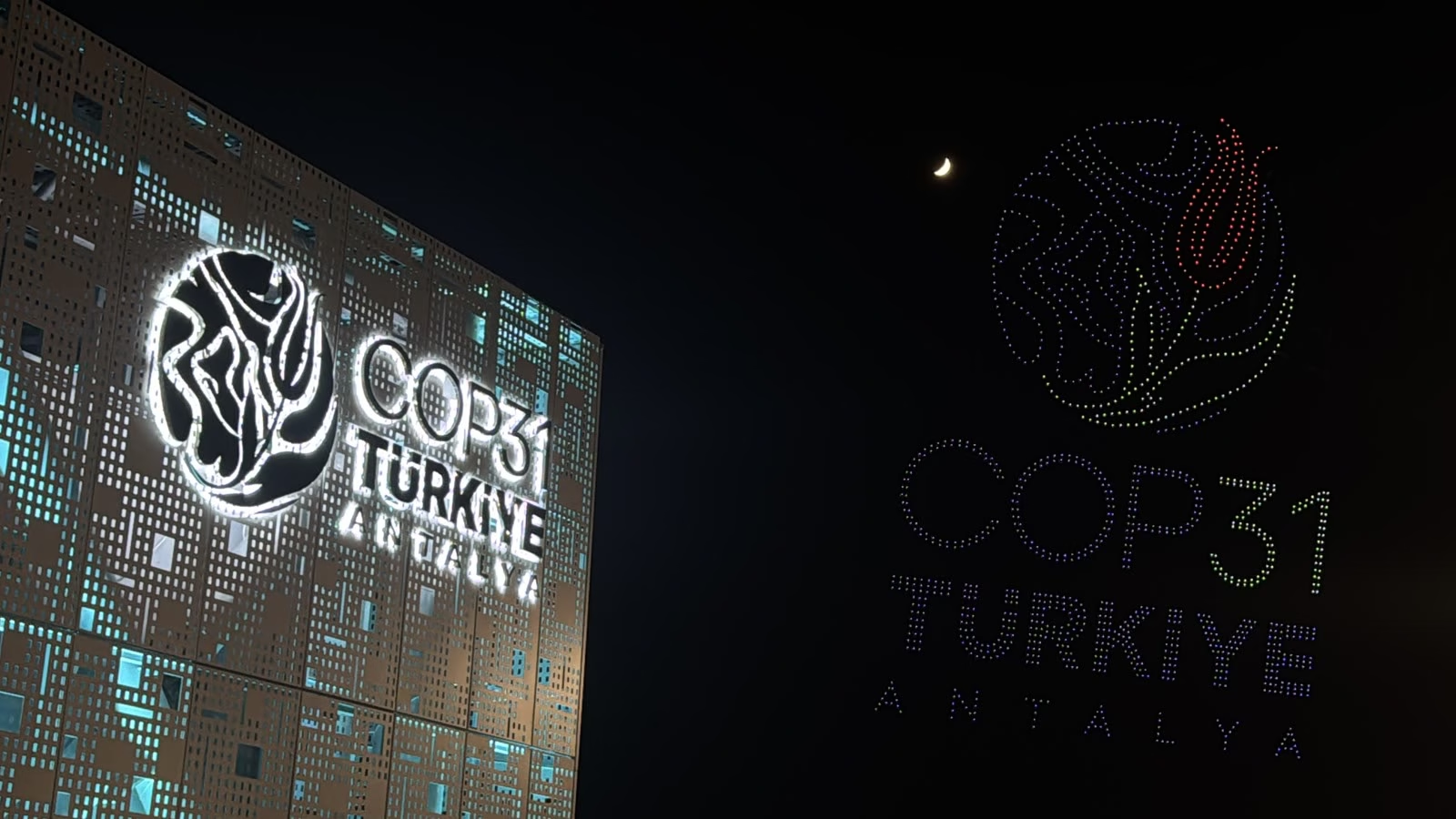
The ITA Türkiye Project Accelerator Program, which aims to speed up the transition of low-carbon industrial projects to the investment stage, was launched as part of the UN Climate Change Conference (COP31) in Antalya. The program, conducted in cooperation between the Ministry of Industry and Technology and the Industrial Transition Accelerator (ITA), was officially launched during a ceremony attended by Minister of Industry and Technology Mehmet Fatih Kacır, where a Memorandum of Understanding was signed.
Kacır said the program would bring the industrial sector’s existing production capabilities together with international expertise and seek to develop commercially viable, low-carbon projects. Recalling that Türkiye aims to achieve concrete investment and lasting industrial transformation during its hosting and presidency of COP31, Kacır said the cooperation with the Mission Possible Partnership was an important step toward this goal.
How will the program work?
According to Kacır, the program will work closely with industrial organizations to identify and support early-stage and commercial-scale projects with the potential to deliver significant emissions reductions. Industrial leaders, technology providers, potential customers, financial institutions and public authorities will be brought together to overcome the obstacles facing these projects.
“By strengthening the commercial viability and investment readiness of these projects, it will help direct private capital toward them and accelerate progress toward final investment decisions,” Kacır said, inviting all stakeholders to work together to advance ambitious projects capable of transforming industrial production.
Recalling that industry accounts for approximately one-third of global greenhouse gas emissions, Kacır said converting technological transformation in emissions-intensive sectors into concrete investment involved major challenges, including high costs and access to technology, infrastructure and energy. He therefore stressed the need for public authorities, industry, technology companies and financial institutions to act together.
The video features footage from a meeting of the Türkiye Industrial Decarbonization Investment Platform (TIDIP), introduced at COP31. Representatives of the European Investment Bank, Italy’s development institution Cassa Depositi e Prestiti (CDP), the World Bank and the Asian Development Bank assess Türkiye’s leadership in this area. Kacır says they view TIDIP as an important tool for advancing toward the 2053 net-zero emissions target.
TIDIP’s project portfolio to be strengthened
The ITA program will also strengthen TIDIP’s project portfolio. According to Kacır, the program will help promising early-stage ventures reach the maturity needed to benefit from the platform’s technical support and potential financing opportunities.
Announcing the platform’s 2030 targets, which was established in partnership with the EBRD, the World Bank and the International Finance Corporation, Kacır said, “By 2030, we aim to provide more than 100 million euros in technical assistance and financing on favorable terms, mobilize more than 5 billion euros in investment, and achieve annual greenhouse gas emissions reductions exceeding 20 million metric tons of carbon dioxide equivalent.”
The ministry has completed low-carbon road maps for the iron and steel, aluminum, cement and fertilizer sectors in cooperation with the EBRD; similar work is continuing in the glass, ceramics, foundry and chemicals sectors. Kacır said these road maps set out the sectors’ technological options, investment needs and emissions-reduction scenarios, providing a solid foundation for decarbonization investments in industry.
Cover photo: DHA. Photo: Anadolu Agency. Video: Ministry of Industry and Technology (AA footage). Sources: Anadolu Agency, DHA.
Have a story, event or announcement of your own?Send us your news on WhatsApp
Spotted an error in this story?Report it on WhatsApp
Share on all social platforms
Sponsored Ads
Featured Listings
Loading featured properties...
Stay Updated with The Turkiye Times
Subscribe to be informed about special news, developments and announcements. We will keep you informed.
By signing up, you agree to our Privacy Policy