- BIST10012,151-0.94%
- USD49.220.00%
- EUR55.21+0.28%
- GOLD4,192.30-0.57%
- INTEREST37.00%-1.00
- BITCOIN82,747-1.11%
- October 12, 202619°
- BIST10012,151-0.94%
- USD49.220.00%
- EUR55.21+0.28%
- GOLD4,192.30-0.57%
- INTEREST37.00%-1.00
- BITCOIN82,747-1.11%
- October 12, 202619°
Kagan and Soai win 2026 Nobel Prize in Chemistry for asymmetric synthesis
Henri B. Kagan and Kenso Soai were awarded the 2026 Nobel Prize in Chemistry for their contributions to nonlinear effects and autocatalysis in asymmetric organic synthesis. Their work is helping advance chemical reactions used to produce medicines, flavors, fragrances and new materials.


The 2026 Nobel Prize in Chemistry was awarded to Henri B. Kagan and Kenso Soai for their contributions to the discovery of nonlinear effects and autocatalysis in asymmetric organic synthesis. The laureates were announced at a press conference held at the Royal Swedish Academy of Sciences.
The scientific significance of their work
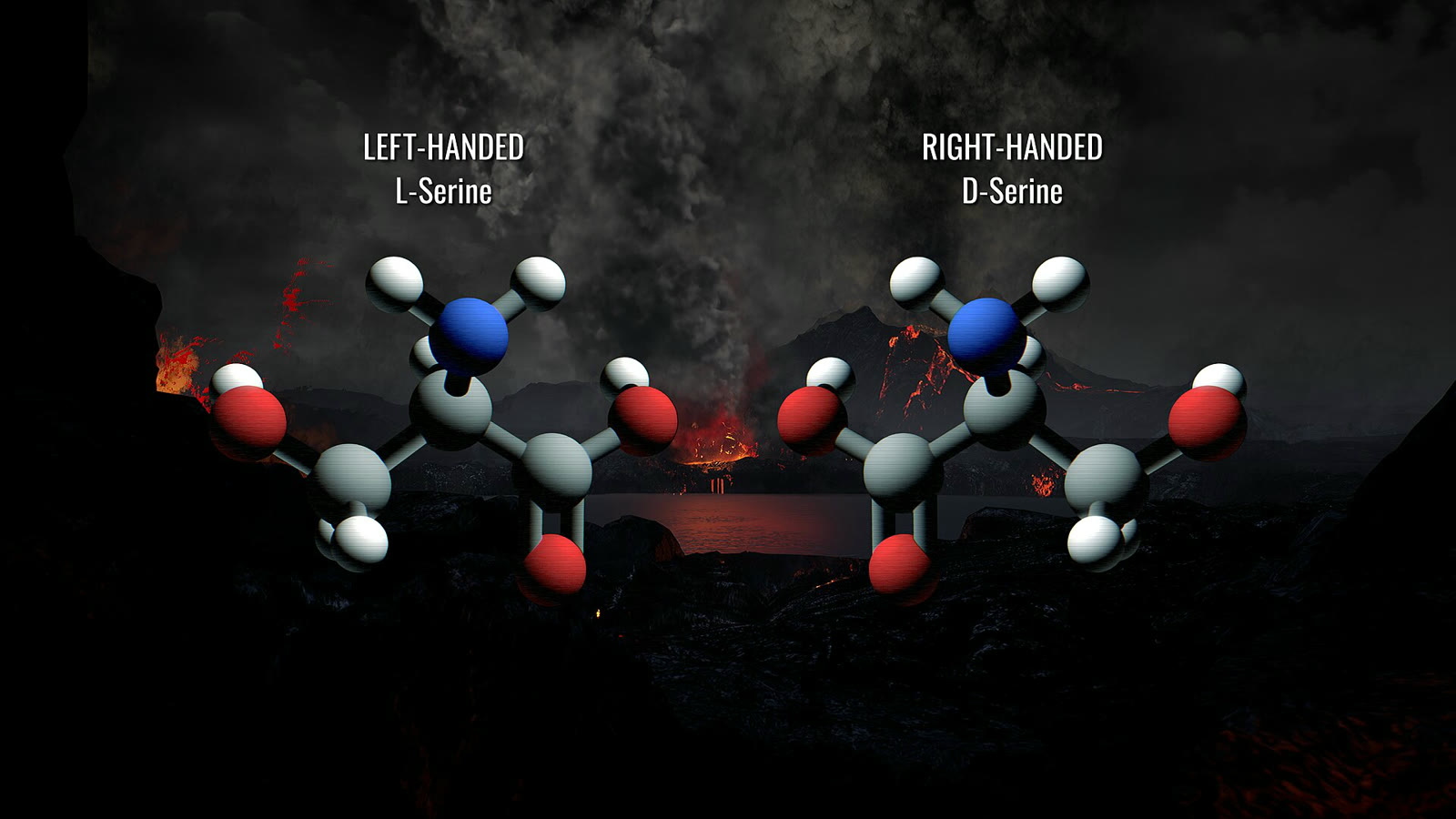
Some molecules, such as amino acids, exist in two different variants that are mirror images of each other. Living organisms, however, contain only one of these mirror images.
In their work, Kagan and Soai examined how this type of chemical asymmetry may have emerged. Using a method he developed to direct chemical reactions, Kagan enabled one of the mirror-image molecules to be obtained at a much higher level than previously thought possible.
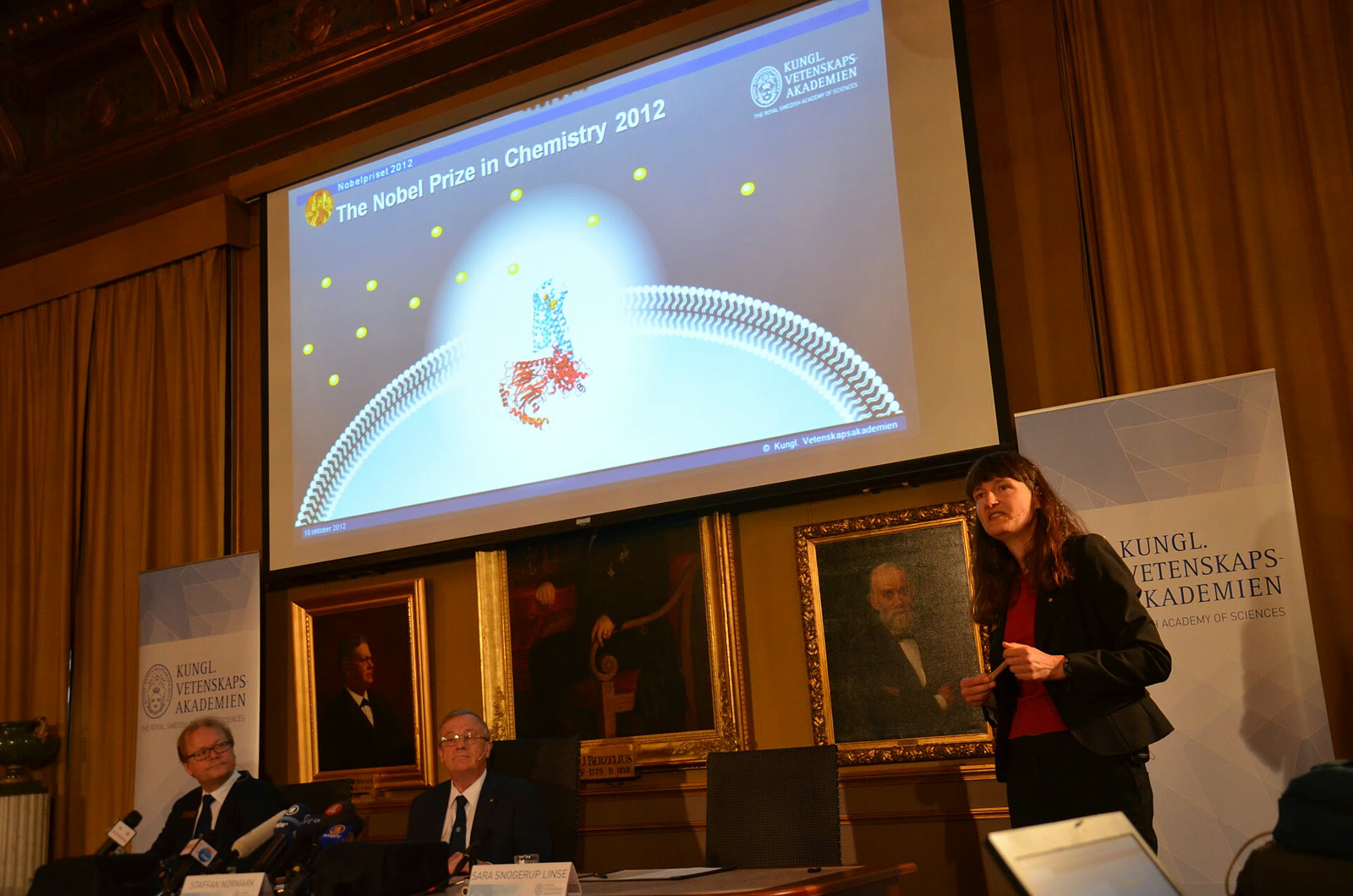
Soai designed the first chemical reaction in which only one of the possible mirror images was formed. The method, known as the “Soai reaction,” was described by the Royal Swedish Academy of Sciences as one of the most remarkable chemistry experiments carried out to date.
The work of the two scientists plays an important role in advancing chemical reactions used to produce medicines, flavors, fragrances and new materials.
Henri B. Kagan and Kenso Soai
French chemist Henri B. Kagan is known for his work in organic and organometallic chemistry, asymmetric synthesis and asymmetric catalysis. Born in France in 1930, Kagan studied at Sorbonne University in Paris and received his doctoral degree from the Collège de France in 1960.
Organic chemist Kenso Soai was born in Hiroshima, Japan, in 1950. After graduating from the University of Tokyo, Soai received his doctoral degree in 1979.
The structure of the Nobel Prizes
The Nobel Foundation, established on June 29, 1900, after Alfred Nobel’s death in accordance with his will, gives awards to people who have served humanity. The Nobel Prizes are awarded in physics, chemistry, literature, peace and medicine by the Royal Swedish Academy of Sciences, the Swedish Academy, the Karolinska Institute and the Norwegian Nobel Committee.
After Sweden’s central bank decided to establish an award in economics in memory of Alfred Nobel, the Nobel Prize in Economic Sciences was awarded for the first time in 1969. The Nobel Prizes are presented to their recipients at a ceremony held on December 10, the anniversary of Alfred Nobel’s death.
The awards have been presented since 1901. Most of the periods in which the awards were not given occurred during the First and Second World Wars. Award ceremonies could not be held in 2020 and 2021 because of the COVID-19 pandemic.
Stay Updated with The Turkiye Times
Subscribe to be informed about special news, developments and announcements. We will keep you informed.
By signing up, you agree to our Privacy Policy

















