- BIST10011,843+1.51%
- USD50.28+0.05%
- EUR55.60-0.24%
- GOLD3,894.70+0.22%
- INTEREST36.00%-1.00
- BITCOIN64,954-0.55%
- November 16, 202611°
- BIST10011,843+1.51%
- USD50.28+0.05%
- EUR55.60-0.24%
- GOLD3,894.70+0.22%
- INTEREST36.00%-1.00
- BITCOIN64,954-0.55%
- November 16, 202611°
Maariv outlines formula: 6 F-35s for S-400 transfer and sanctions relief
Israeli newspaper Maariv featured a phased formula under which Türkiye would return to the F-35 program in exchange for transferring its S-400 systems to Russia or a Gulf country such as Qatar or the UAE. Ankara had previously said contacts with the United States were continuing over the delivery of 6 F-35s.

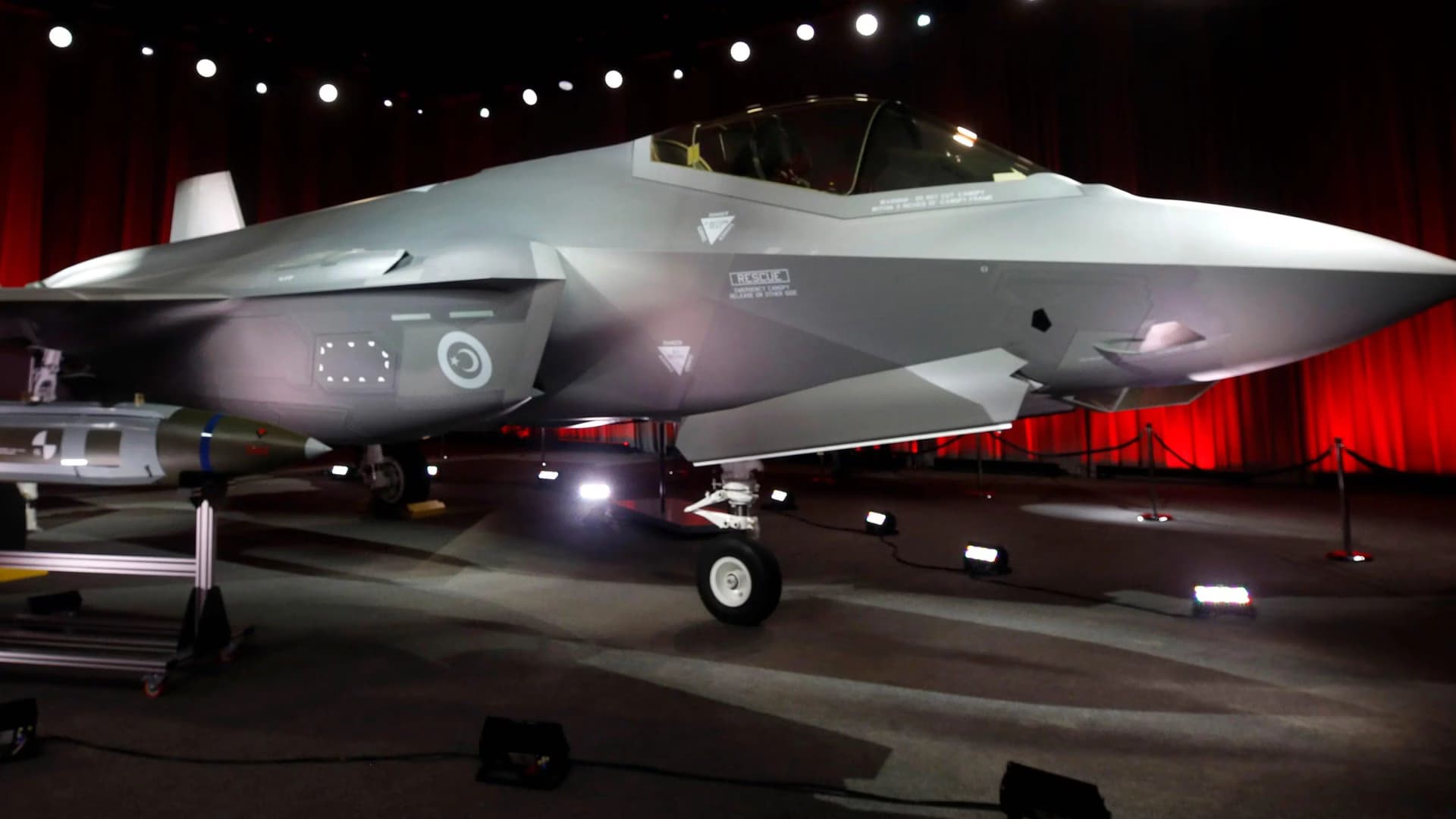
Israeli newspaper Maariv featured a phased formula under discussion in the United States for Türkiye's return to the F-35 fighter jet program. Maariv said Türkiye would transfer the S-400 air defense systems it bought from Russia to Russia or, with Moscow's approval, to a Gulf country such as the United Arab Emirates or Qatar.
According to Maariv, under the first step of the formula, the United States would release the 6 F-35s produced for the Turkish Air Force and being held in storage, and resume training for Turkish personnel, as the systems began leaving Türkiye. After the US administration confirmed to Congress that Türkiye no longer possessed the S-400s, CAATSA sanctions on the defense industry would be lifted, followed by the delivery of the 6 aircraft to Türkiye.
The paper said Türkiye could then decide whether to remain with those aircraft or increase the order to 20 or 40 jets to establish operational fleets. The formula also calls for the steps to be guaranteed by US Congress through legislation, to assure Türkiye that the demands would not later change.
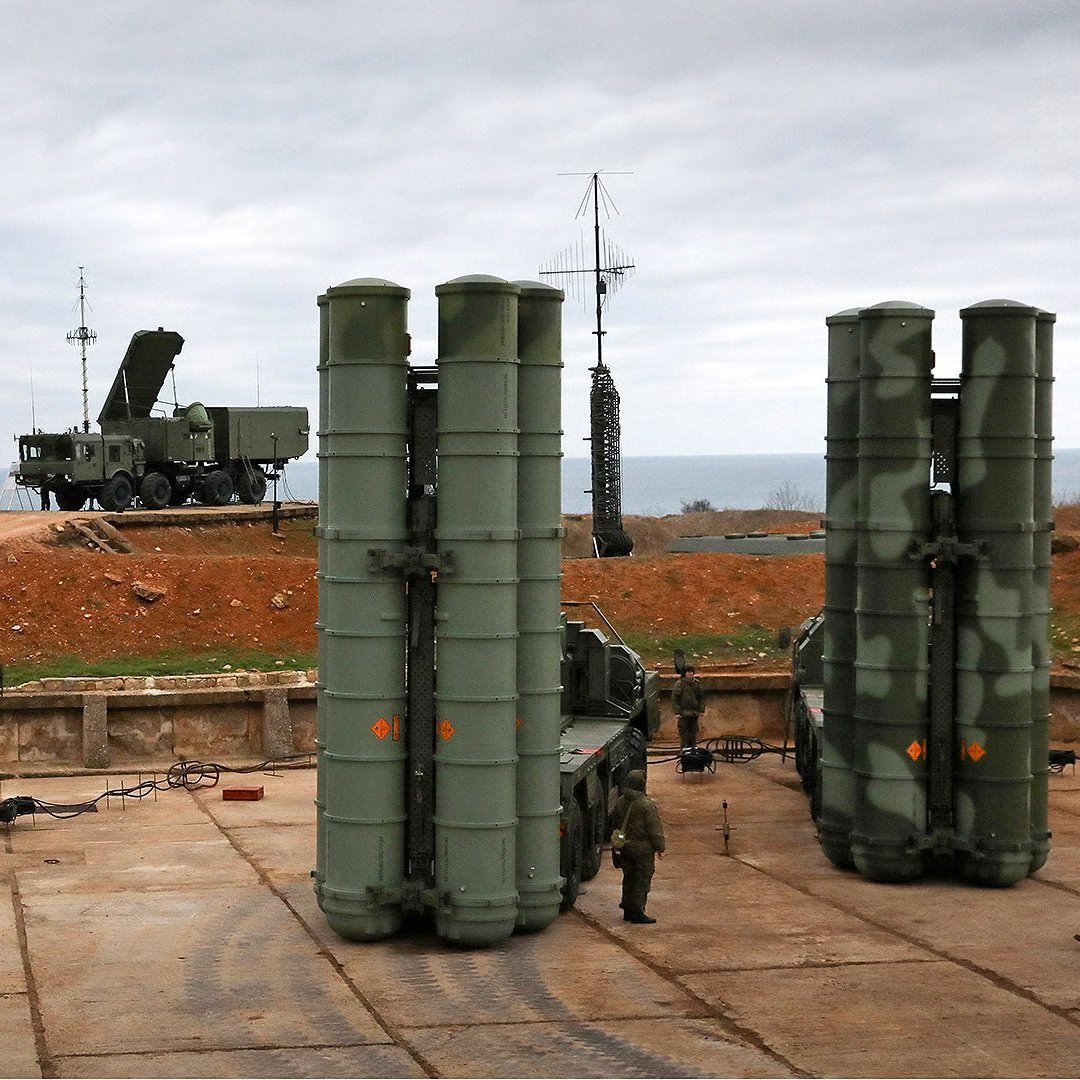
Türkiye took delivery of the S-400 systems in 2019. The United States removed Türkiye from the F-35 program that same year and imposed sanctions on its defense industry under CAATSA in December 2020.
Timing and the congressional balance
Maariv wrote that there was a narrow window for implementing the proposal. The paper noted that the current Republican-controlled Congress had to complete budget negotiations and advance the National Defense Authorization Act (NDAA) for fiscal year 2027 by December 11, adding that the remaining time could be enough to reach agreement on a framework but not to complete the process. The expected transfer of congressional control to the Democrats could also make a deal more difficult, Maariv said.
The newspaper also recalled that reports emerged in July that the UAE or Qatar might buy the S-400s, but no agreed buyer had been announced since then. Maariv identified Israel's opposition to transferring the S-400s to another country in the Middle East as one of the main obstacles to the formula.
What Ankara and Washington are saying
Türkiye's official position was most recently expressed by the Ministry of National Defense in its weekly press briefing on October 15. The ministry said, "Our contacts with US authorities regarding the delivery of the 6 F-35 fighter jets produced for our country are continuing. We expect all direct or indirect restrictions on our defense industry, including CAATSA sanctions that are incompatible with the spirit of alliance, to be lifted," and said it expected the process to produce a positive outcome in line with the countries' alliance relations.
In a letter sent to Congress on July 22, the US State Department said Türkiye had not yet met the legal requirements for returning to the program. US Ambassador to Ankara Tom Barrack also said in remarks in New York in September that Congress was working on the S-400 and F-35 issue and that CAATSA and NDAA provisions took time. He described Türkiye-US relations by saying, "They have never been this good."
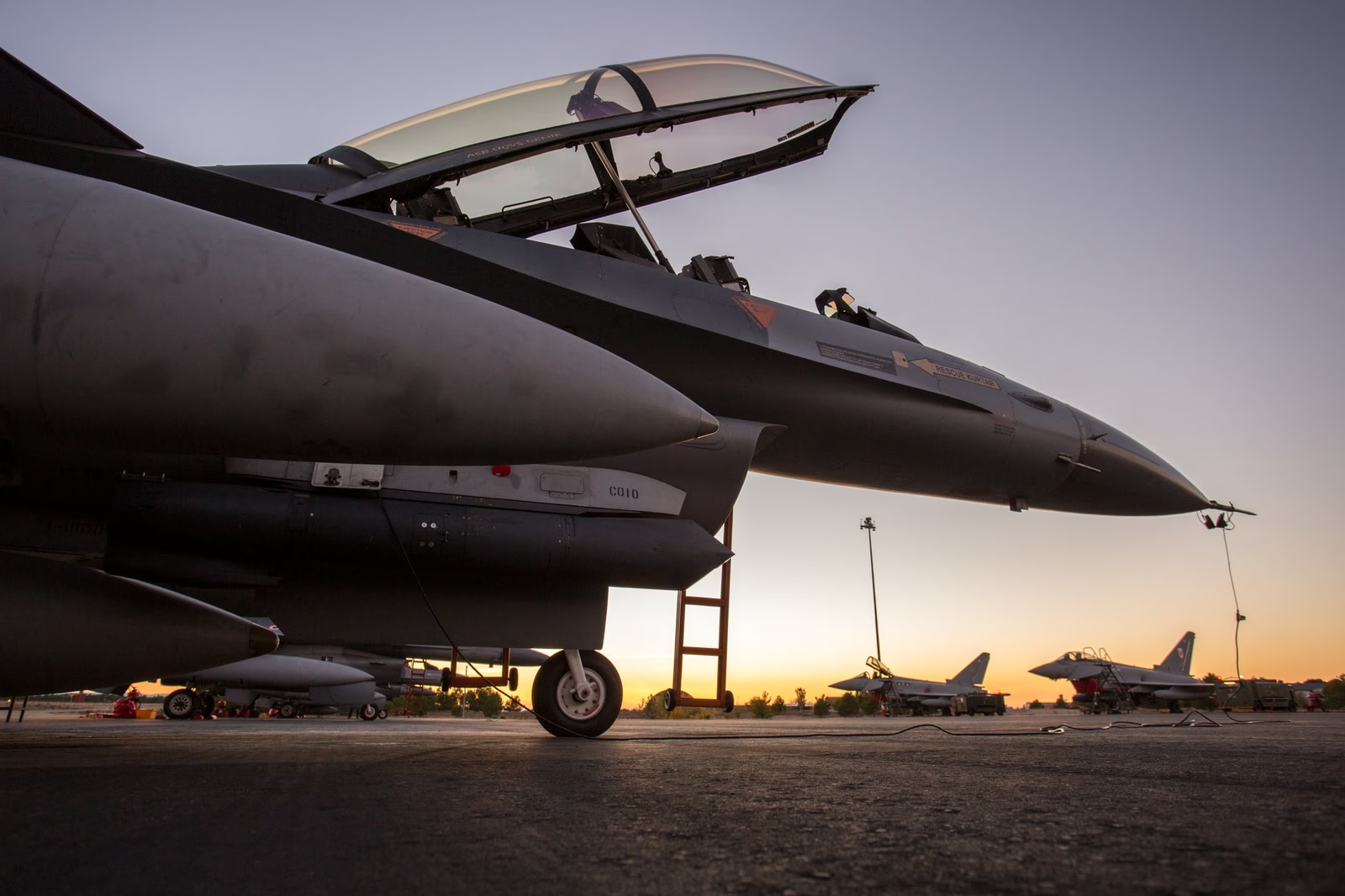
Maariv's assessment also recalled that Türkiye was strengthening its air power through other means: Ankara ordered 20 Eurofighter Typhoons from the United Kingdom and continues to develop the national combat aircraft KAAN. The article emphasized that, from Washington's perspective, Türkiye remains an important ally on NATO's southeastern flank and that the two countries could deepen cooperation in aviation, shipbuilding, munitions and unmanned aerial vehicles.
Source: Maariv, Ministry of National Defense, US State Department. Photos: social media, Wikimedia Commons
Stay Updated with The Turkiye Times
Subscribe to be informed about special news, developments and announcements. We will keep you informed.
By signing up, you agree to our Privacy Policy