- BIST10011,843+1.51%
- USD50.28+0.05%
- EUR55.60-0.24%
- GOLD3,894.70+0.22%
- INTEREST36.00%-1.00
- BITCOIN64,954-0.55%
- November 16, 202611°
- BIST10011,843+1.51%
- USD50.28+0.05%
- EUR55.60-0.24%
- GOLD3,894.70+0.22%
- INTEREST36.00%-1.00
- BITCOIN64,954-0.55%
- November 16, 202611°
Japan's 16 mm railgun prototype fires 10 rounds 10 seconds apart
In a test by ATLA, which operates under Japan's Ministry of Defense, rounds reached 240 meters per second using newly developed battery technology. The result is considered an important step toward the railgun's rapid-fire capability.

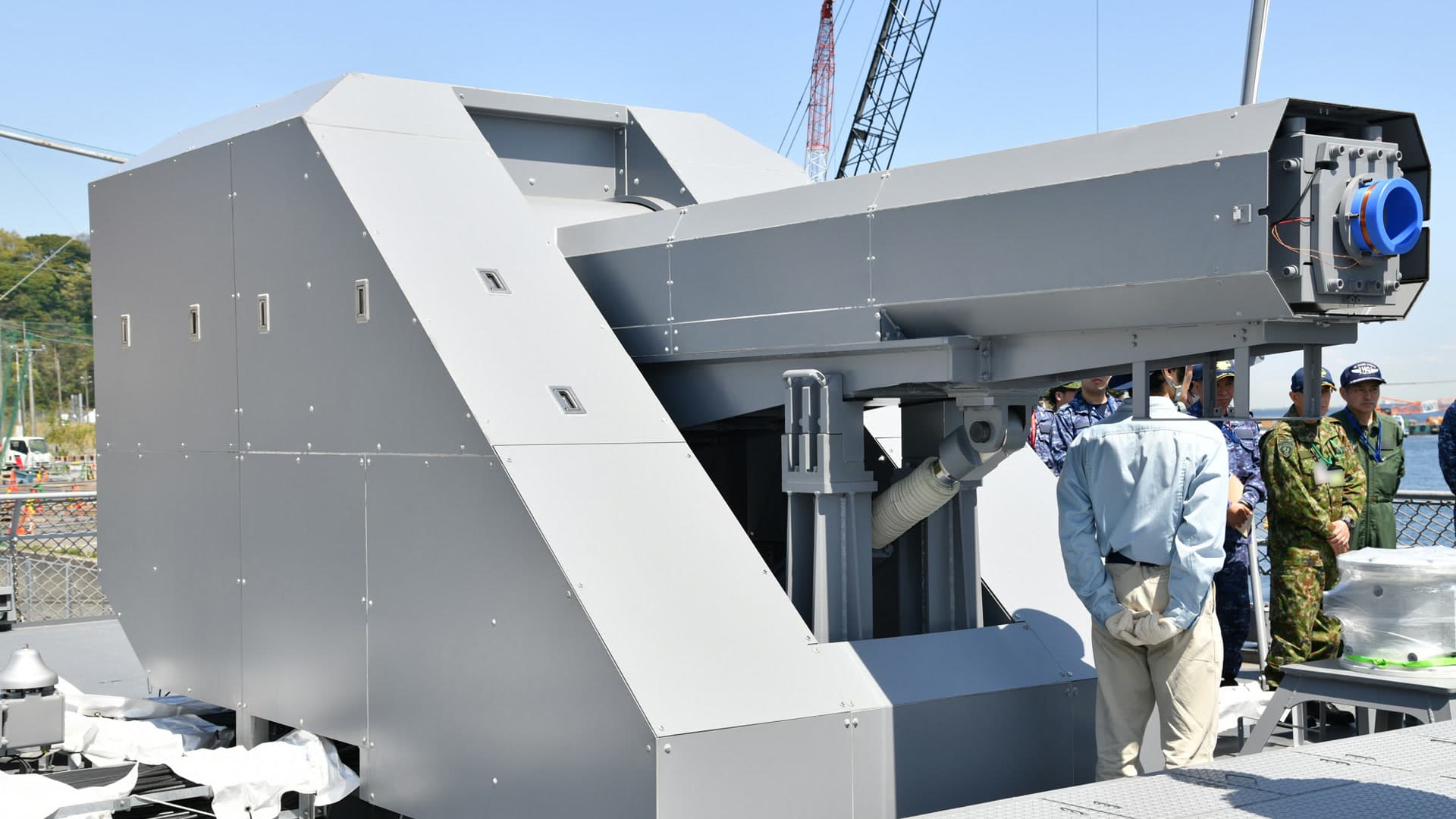
Japan has reached a new stage in developing rapid-fire capability for its electromagnetic railgun program. According to results presented at Technology Symposium 2026, held by the Ministry of Defense's Acquisition, Technology & Logistics Agency (ATLA) on November 10-11, a small-scale prototype with a 16-millimeter bore fired 10 rounds at intervals of approximately 10 seconds.
The test used high-power-density lithium titanate rechargeable batteries developed for civilian applications as the power source. The rounds reached a speed of 240 meters per second.
Rapid fire and compact power sources are the two biggest challenges
Railguns operate using electrical energy instead of gunpowder. The interaction between the current flowing through two parallel rails and the resulting magnetic field accelerates the projectile. In theory, this method provides a much higher muzzle velocity than conventional guns. However, rail erosion caused by high current, the need for large power equipment and the ability to fire repeatedly at short intervals remain among the technology's main obstacles.
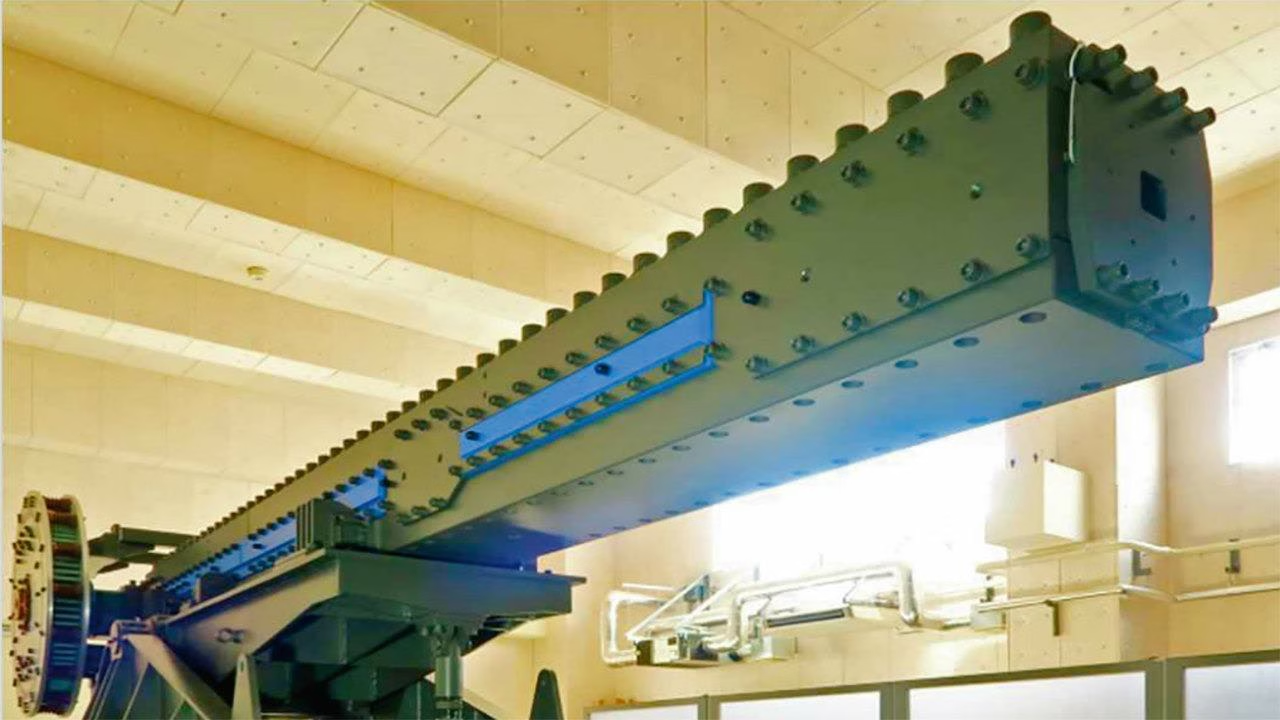
Until now, powering railguns has required equipment consisting of numerous large capacitors. This made it difficult to install the systems on ships and vehicles. ATLA's battery-based solution aims to reduce the size of the power unit. According to assessments in the Japanese press, the 16 mm system that fired 10 rounds differs from the 40 mm railgun used in the 2025 sea trial, and its speed is currently limited to 240 m/s.
A sea target was hit from a ship in 2025
In 2025, Japan successfully completed firing tests against a sea target using a 40 mm railgun installed on the rear flight deck of the Japan Maritime Self-Defense Force test ship JS Asuka. The system thereby took an important step from a land-based experimental setup toward a weapon that could be used aboard ships.
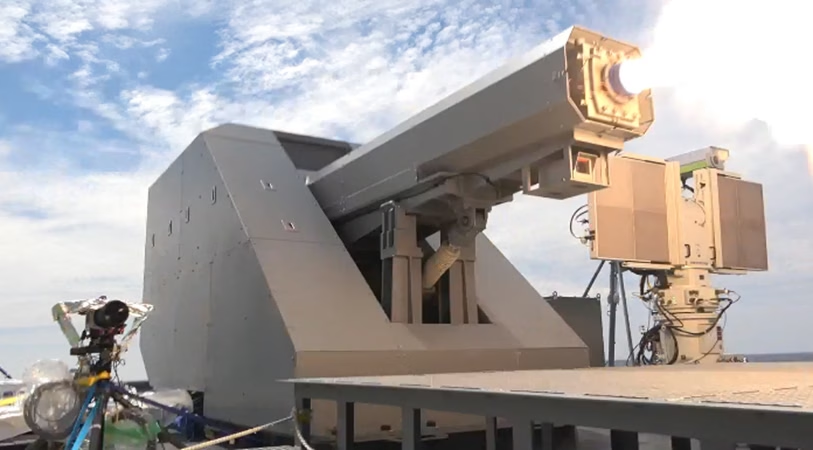
Japan is developing the railgun for defense against hypersonic missiles and anti-ship missions. The U.S. Navy halted its major investment in the railgun project in 2021 because of problems including high costs and rail erosion, but conducted firing tests again in 2025 at the White Sands Missile Range in New Mexico.
Source: ATLA, Yahoo Japan, Jane's. Photos: Japan Ministry of Defense / ATLA (cover: Wikimedia Commons, CC BY 4.0)
Stay Updated with The Turkiye Times
Subscribe to be informed about special news, developments and announcements. We will keep you informed.
By signing up, you agree to our Privacy Policy