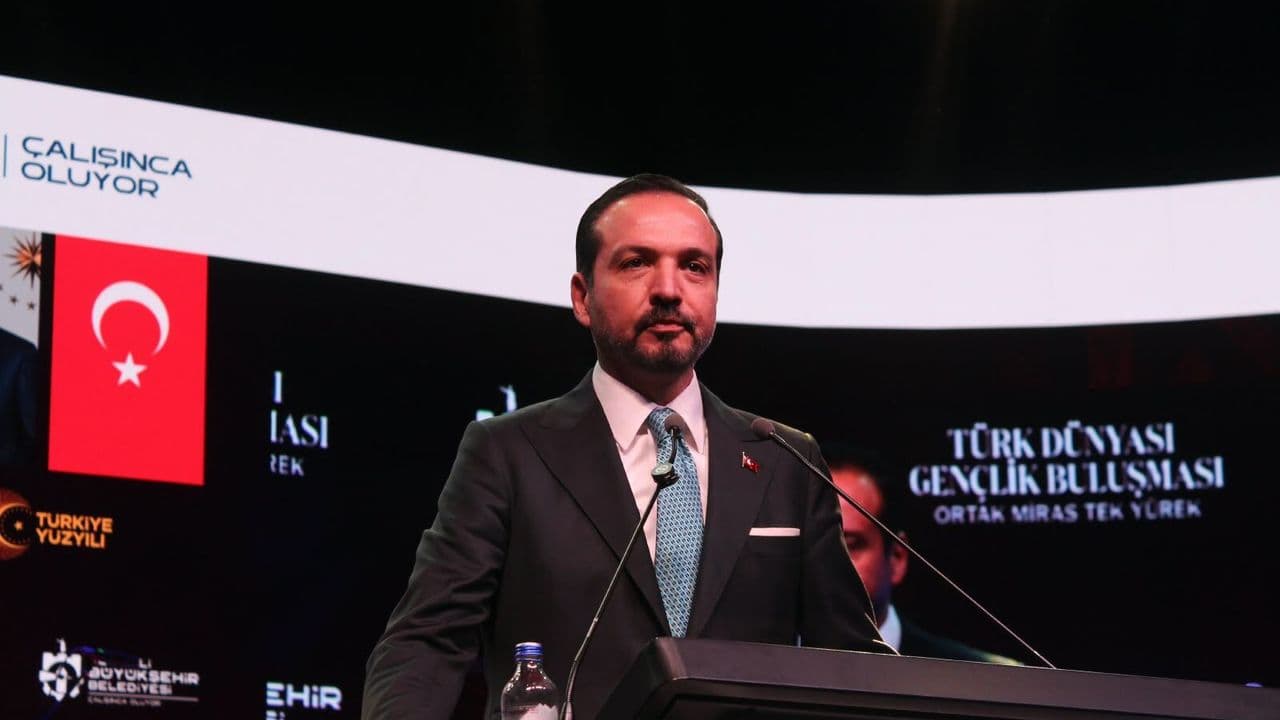
Industry and Technology Minister Mehmet Fatih Kacır discussed Türkiye’s defense industry, industrial infrastructure and investment incentives at events held in Kırklareli. Kacır said Türkiye had reached a level at which it could meet almost all of its critical defense industry needs through its own capabilities.
Meeting tradespeople and party members in Kırklareli
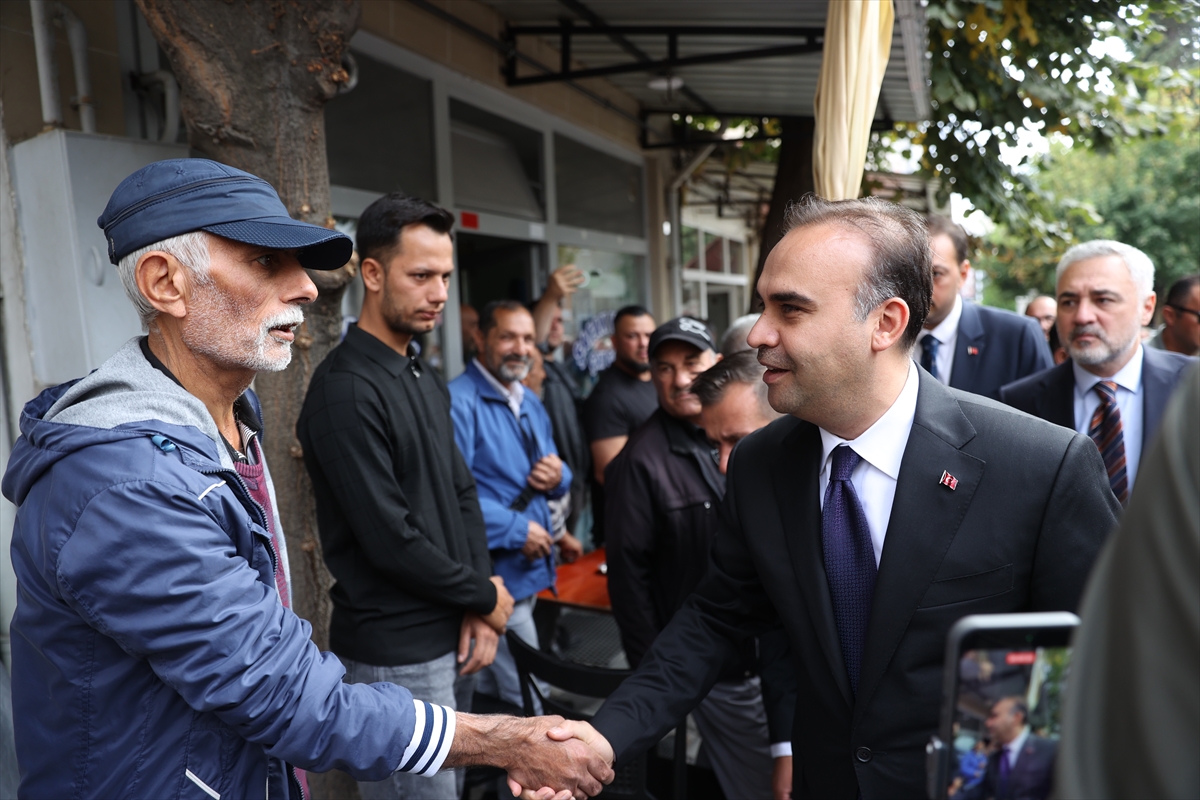
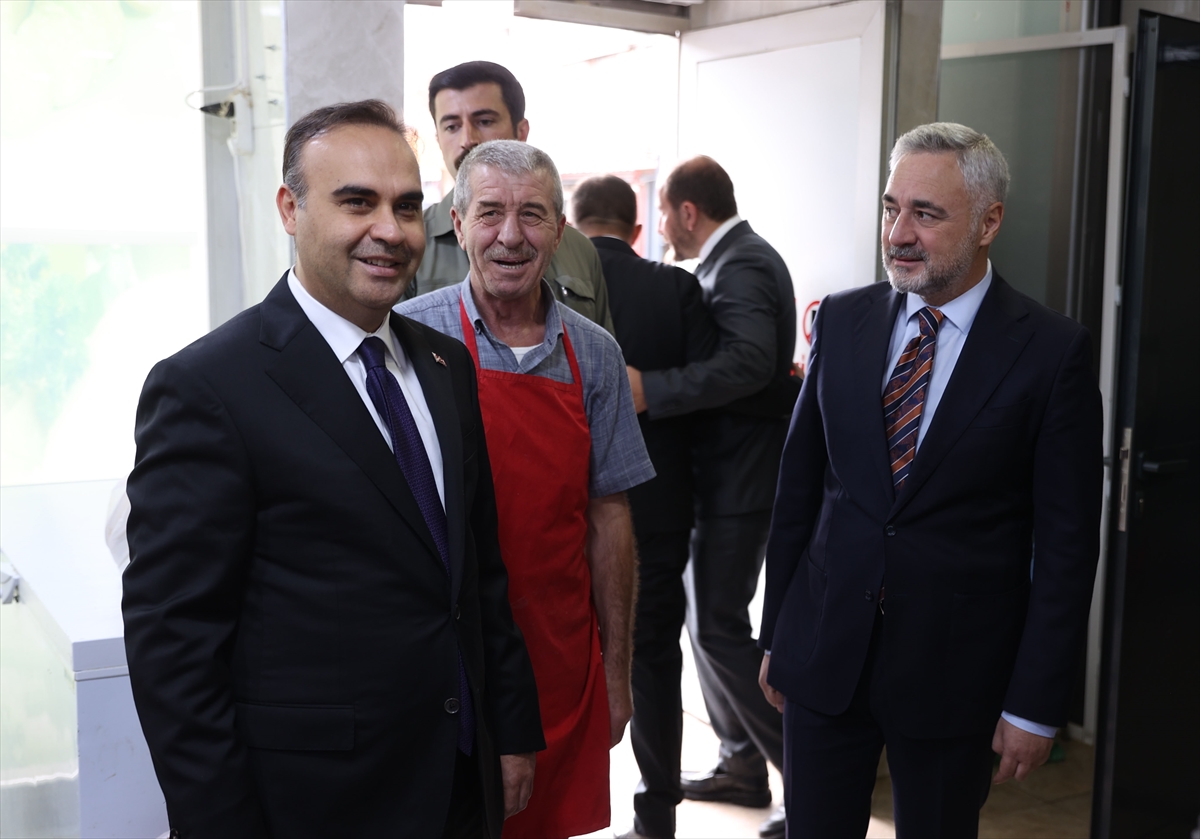
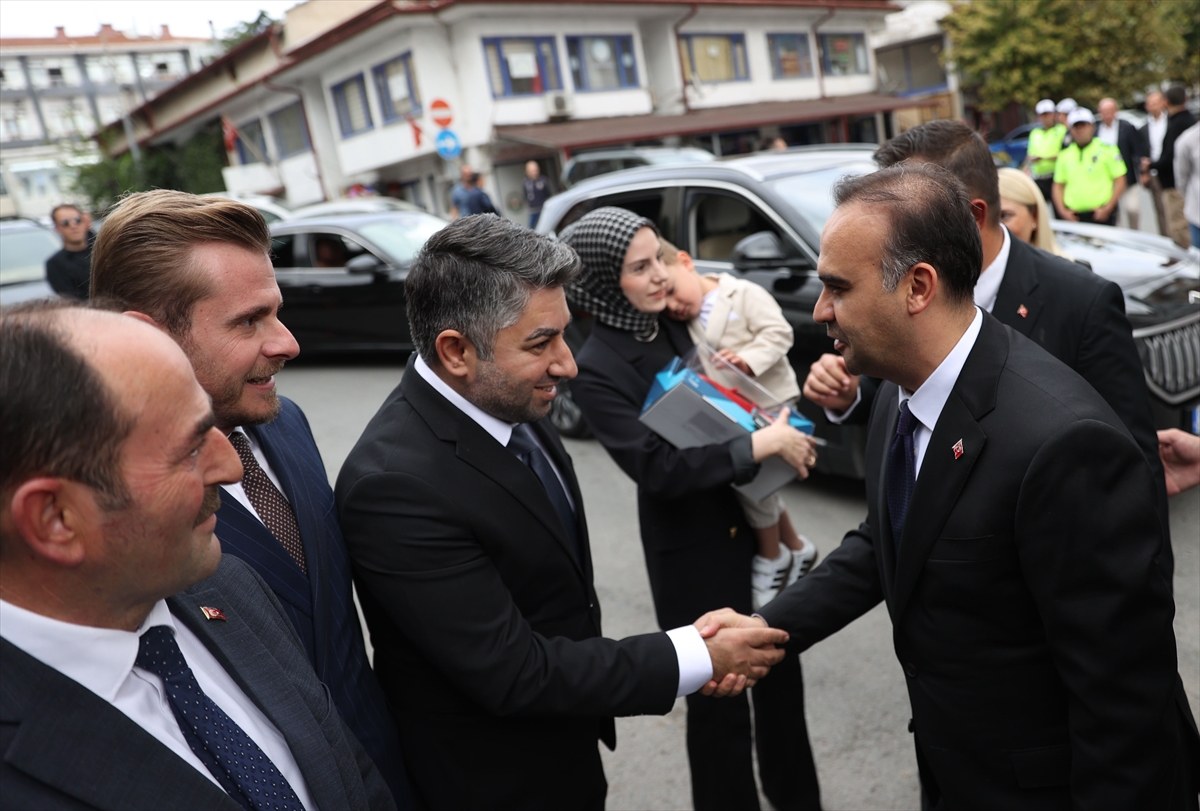
Kacır, who came to Kırklareli, visited tradespeople on Haşim Peksöz Avenue with Governor Uğur Turan, AK Party Kırklareli Deputy Ahmet Gökhan Sarıçam, Mayor Derya Bulut and other protocol members, and chatted with residents. Kacır later drove his official Togg vehicle and went with his delegation to the AK Party Kırklareli Provincial Headquarters.
Kacır addressed AK Party members at the “Türkiye Century Meetings” program. Saying that Kırklareli held an important place historically and politically, Kacır said Türkiye had numerous projects ahead that would be put into action.
“Over 80% localization in the defense industry”
Kacır said Türkiye’s achievements in the defense industry were being followed around the world and stated that the country had reached a localization rate of over 80% in land vehicles, maritime platforms, frigates, underwater vehicles, aircraft, satellites and cybersecurity systems.
Kacır said Türkiye had become the world’s largest unmanned aerial vehicle manufacturer and held two-thirds of the global unmanned aerial vehicle market. He also listed the BAYRAKTAR, AKINCI, ANKA, AKSUNGUR, HÜRKUŞ, HÜRJET, ATAK, GÖKBEY, KAAN and KIZILELMA projects among the country’s defense industry efforts.
Kacır said the Çelik Kubbe project, a layered air defense system that would protect Türkiye’s skies, would be implemented. He added that the ranges of rockets and missiles had been extended, their speeds increased, and more powerful ballistic and cruise missiles were being developed.
Economic growth and industrial investments
Kacır said that Türkiye’s industrial infrastructure and research and development capacity had been expanded over the past 23 years under the leadership of President Recep Tayyip Erdoğan. He said national income had risen from $238 billion to $1.6 trillion during this period, while per capita national income had exceeded $18,000.
Kacır said the annual added value of the manufacturing industry had risen from $41 billion to more than $250 billion, while annual product exports had increased from $36 billion to $280 billion.
Kacır noted that the number of organized industrial zones had risen from 191 to 373 over 23 years. The number of factories operating in these zones increased from 11,000 to 61,300, while the number of employees rose from 415,000 to 2.7 million.
Five investments for Kırklareli
Kacır said two new organized industrial zones had been established in Kırklareli over the past 23 years. He added that the total size of the organized industrial zones had increased from 400 hectares to 1,440 hectares and that 15,700 additional jobs had been created in these zones.
Kacır announced that five investments to develop the city’s industrial infrastructure had been commissioned. He said a wastewater treatment plant with a daily capacity of 40,000 cubic meters had begun operating in the Büyükkarıştıran Organized Industrial Zone. The plant would increase treatment capacity for industrial production and contribute to protecting water resources, he said.
Kacır said the Kırklareli Organized Industrial Zone vocational school had also begun operating and that nearly 200 students were studying there after the school reached full capacity. He added that a fire department unit and a 2,200-square-meter outdoor sports facility had also been brought to the area.
Kacır announced that approximately 601 million lira had been invested in the 196-hectare Evrensekiz Organized Industrial Zone for industrial infrastructure. He said an investment of 725 million lira would be made to establish a wastewater treatment plant with a daily capacity of 22,200 cubic meters in the same zone.
SME and investment incentives
Kacır said 739 million lira in support had been provided to SMEs in Kırklareli through KOSGEB and that investment incentives had paved the way for investments worth 242 billion lira.
Kacır said half of the Social Security Institution premiums owed by employers for workers employed in investments carried out in organized industrial zones would be covered for four years. He added that financing support for loans to be used for investments in the city had been increased to 30 million lira and that financing support of 9.25 percentage points would be offered.
Kacır said an investment contribution rate of up to 30%, depending on the nature of the investment, and tax reductions were being provided. He added that value-added tax exemptions and customs duty exemptions were being applied to investment machinery.
Kacır said two projects in Kırklareli, involving a yeast production facility and geothermal greenhouse investments with a combined value of 1.7 billion lira, were being supported under the Local Development Initiative Incentive Program. He said nine project applications with a total investment value of 12 billion lira had been received under the program this year. Kacır added that financing support of up to 301 million lira and tax reductions of up to 50% would be provided for these investments.
Resources allocated to development projects
Kacır announced that 662 million lira had been allocated to 286 projects in Kırklareli through the Trakya Development Agency. He said 91 million lira had been provided for seven projects under the Social Development Support Program.
Kacır said a National Technology Workshop had been established at Kırklareli University with TÜBİTAK support and that work had begun on the Kırklareli Science Center. A mass opening and groundbreaking ceremony was held after the program.