- BIST10012,151-0.94%
- USD49.220.00%
- EUR55.21+0.28%
- GOLD4,195.90-0.48%
- INTEREST37.00%-1.00
- BITCOIN82,797-1.05%
- October 13, 202619°
- BIST10012,151-0.94%
- USD49.220.00%
- EUR55.21+0.28%
- GOLD4,195.90-0.48%
- INTEREST37.00%-1.00
- BITCOIN82,797-1.05%
- October 13, 202619°
ODTÜ announces 2030 launch plan for CHERI lunar vehicle
The prototype of CHERI, an AI-powered autonomous micro-exploration vehicle developed by ODTÜ, has been completed. Two vehicles are planned to operate at the Moon’s South Pole and launch in 2030.


The prototype of CHERI, an AI-powered autonomous micro-exploration vehicle developed by ODTÜ, has been completed. Two vehicles developed in cooperation with the Chinese Space Agency are planned to be sent to the Moon in 2030.
Providing information about the project, Yozgatlıgil said CHERI’s design phase had been completed and testing was continuing. Yozgatlıgil said the work was continuing together with universities and companies in China and added that 2030 had been set as the target year for the launch.
Two vehicles will operate at the Moon’s South Pole
The CHERI vehicles are planned to operate in the challenging conditions at the Moon’s South Pole. The vehicles are expected to work together in an environment with very little sunlight and low temperatures.
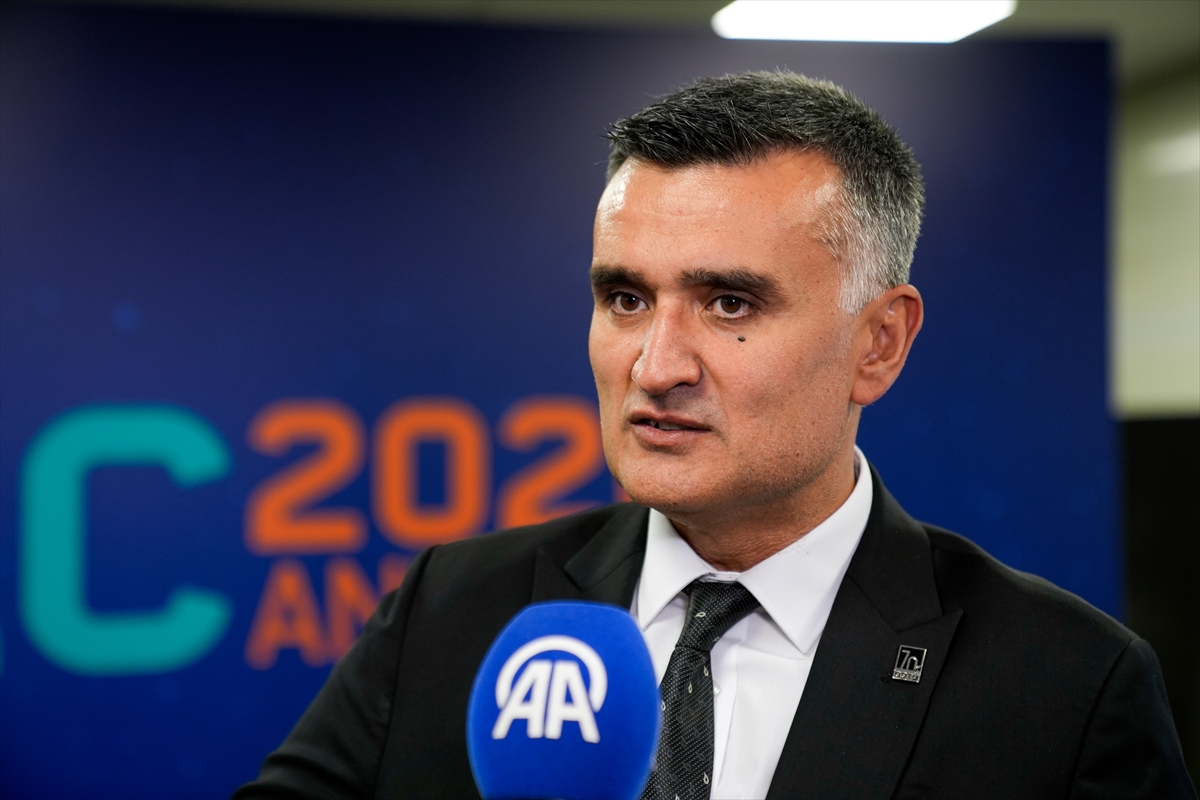
During their mission, the micro-exploration vehicles will study the surface’s topographic features. The CHERI vehicles are intended to examine rock samples using remote-sensing methods and map the points they discover.
Yozgatlıgil expressed his excitement about the project, saying that the vehicles would also take selfies during their mission.
Prototype presented to President Erdoğan
The CHERI prototype was presented to President Recep Tayyip Erdoğan by YÖK President Prof. Dr. Erol Özvar at the Higher Education Academic Year Opening Ceremony.
More than 120 students and faculty members are working on the project. ODTÜ is carrying out the CHERI project with the Chinese Space Agency.
New space partnerships at ODTÜ
Yozgatlıgil said ODTÜ had carried out significant work in the space sector in recent years. He noted that one of the 13 experiments conducted by Alper Gezeravcı during Türkiye’s crewed spaceflight under the National Space Program belonged to ODTÜ.
Yozgatlıgil said ODTÜ also participates in international projects supported by the European Union and announced that the university had signed a cooperation agreement with Axiom Space on research in microgravity environments. Through this cooperation, scientific studies in space are planned with leading universities and companies around the world.
The university is also carrying out the Go Space project, which focuses on communications protocols for stations to be established on the Moon and in orbit through satellites. Yozgatlıgil said space research and commercialization activities would be conducted at the ODTÜ Space Technopark, established with support from the Ministry of Industry and Technology and under a presidential decision.
Yozgatlıgil said ODTÜ was contributing, together with students and academics, to Türkiye’s efforts to reach the Moon and develop national propulsion systems. He added that projects such as the ASELABS Program, conducted with ASELSAN, also support space-related work.
Stay Updated with The Turkiye Times
Subscribe to be informed about special news, developments and announcements. We will keep you informed.
By signing up, you agree to our Privacy Policy