Armenian Prime Minister Nikol Pashinyan defended the normalization process with Azerbaijan and Türkiye during a government question-and-answer session at the National Assembly on Wednesday, November 18. Responding to a question from Edgar Arakelyan, a lawmaker from the ruling Civil Contract Party, Pashinyan said the government's priority was to establish peace in Armenia's immediate neighborhood.
"We are moving toward irreversible peace with Azerbaijan, with Türkiye and with our surroundings. Yes, if people see this as grounds for accusation, let them accuse us. We are working with Azerbaijan," Pashinyan said, criticizing the portrayal of contacts with neighboring countries as a subject of accusation in domestic politics.
"The main task is peace with our neighbors"
Pashinyan stressed that establishing lasting peace with distant countries did not require great skill, while the main task was to establish peace directly with neighboring countries. He also argued that perceptions of hostility toward Turks in Armenia were fueled from outside, saying: "Forces that have tried to control us since the 1870s said, 'Turk, Turk, Turk.' External forces made us hostile to Turks."
Pashinyan also reacted to the Karabakh flags hung in the opposition section of the chamber, asking opposition lawmakers: "Are you hanging Karabakh flags? Now tell us, who will die under the Bayraktars?" Pashinyan argues that attempts to revive the Karabakh movement would drag Armenia into the risk of a new conflict.
TRIPP enters the implementation phase
Responding to a question from lawmaker Natali Sinoryan during the same session, Pashinyan said, "We are entering the practical implementation phase of the TRIPP project." He said one of the important steps in this phase would be to determine and mark the border in the southern section, which is necessary for the construction of transport routes. The approximately 42-kilometer "Trump Route for International Peace and Prosperity" (TRIPP), which will pass through Armenian territory, will connect Azerbaijan to Nakhchivan and from there to Türkiye.
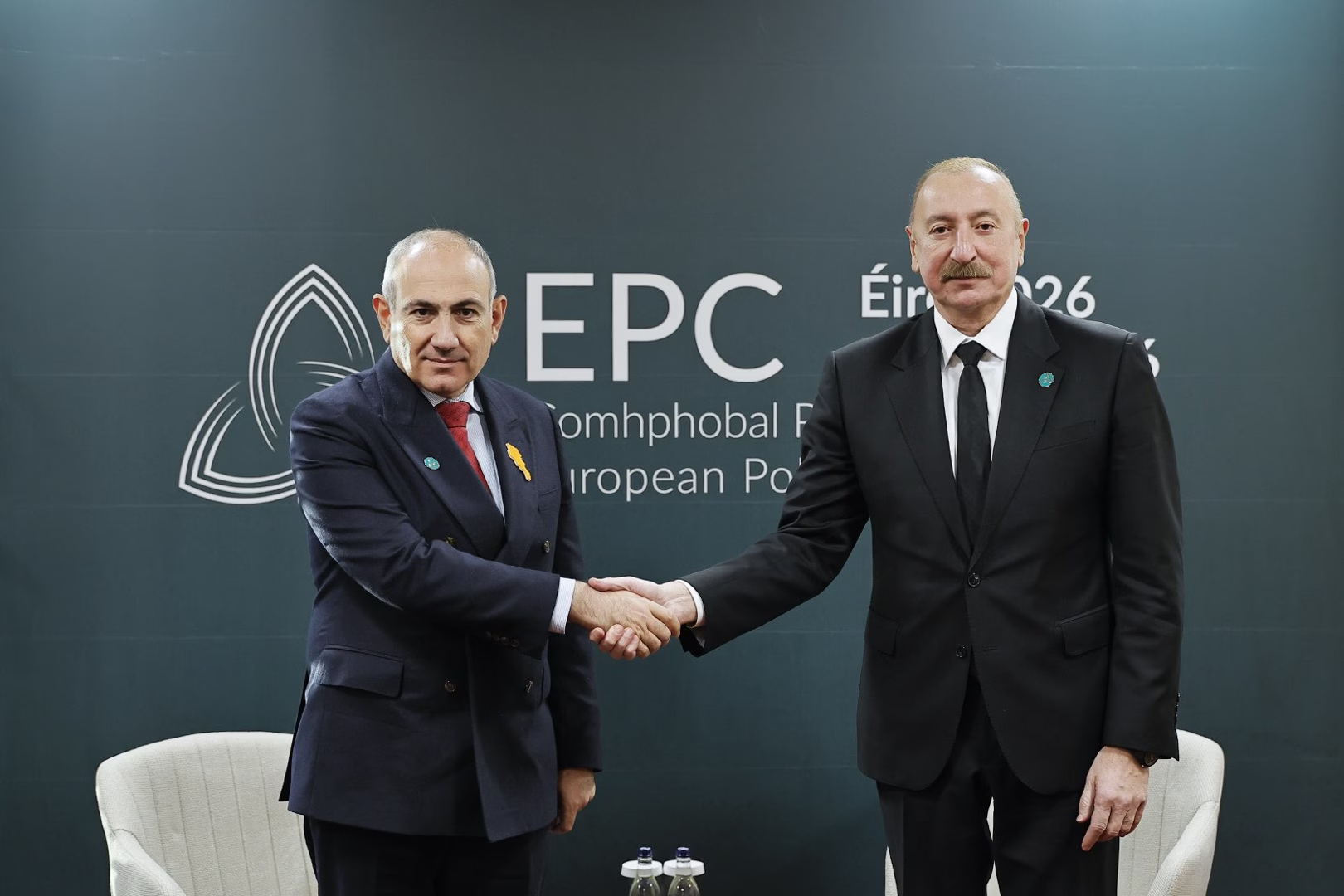
Pashinyan said that the preliminary agreements reached earlier were reaffirmed during his November 12 meeting with Azerbaijani President Ilham Aliyev in Dublin, and that further work would fall under the responsibility of the border delimitation commissions.
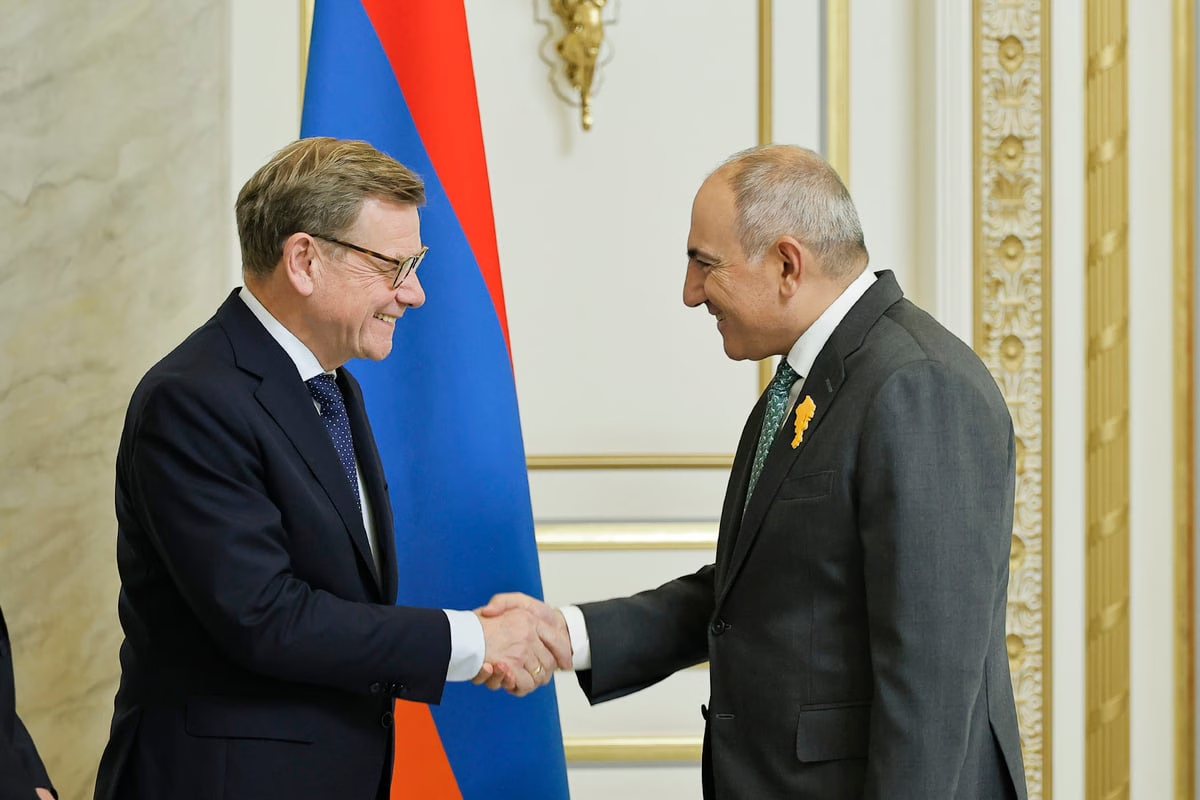
On the same day, Pashinyan also received a delegation led by German Foreign Minister Johann Wadephul in Yerevan. Wadephul said they would do everything they could to facilitate the signing of a peace agreement between Armenia and Azerbaijan.
Armenian National Assembly Speaker Ruben Rubinyan also said this week that they saw no obstacle to opening the border with Türkiye and establishing diplomatic relations.
















