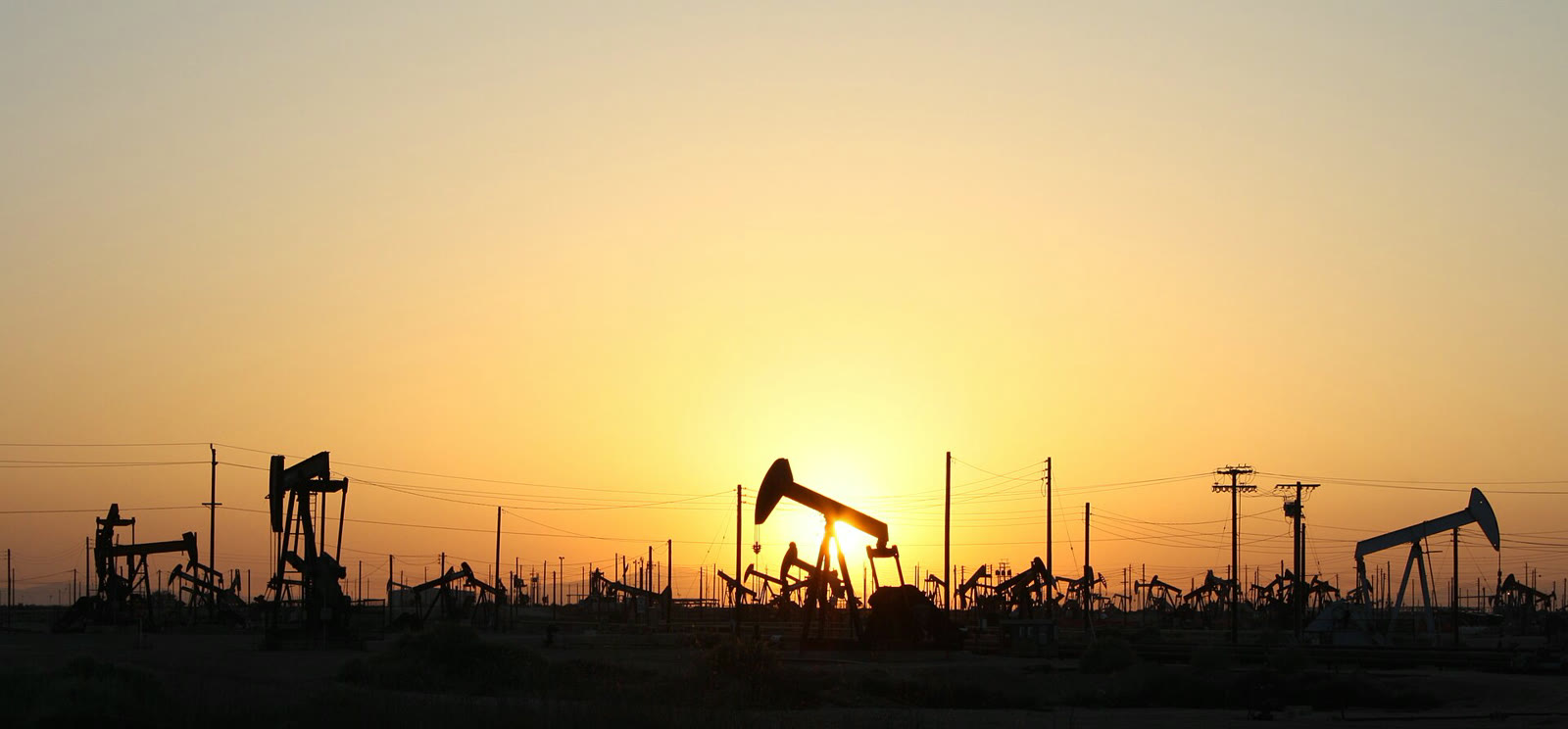
Tensions between the United States and Iran have increased volatility in oil markets, while concerns that high energy prices could intensify inflationary pressure accelerated selling across global markets. Investors are pricing in expectations that these developments could lead the Federal Reserve to keep its interest-rate policy tighter.
The diminishing prospect of a short-term agreement between the United States and Iran has once again placed energy prices at the center of global risk appetite. Mediation efforts for a possible agreement between Iran and the United States are continuing, while indirect talks aimed at reopening maritime traffic in the Strait of Hormuz were expected to begin.
Back-channel contacts between the parties continued as efforts to ensure safe maritime transport failed to produce results. U.S. President Donald Trump said at the White House that the war with Iran would end soon.
The United States was considering releasing frozen Iranian assets and easing economic sanctions in return for concrete steps by Iran regarding its nuclear program. Analysts said geopolitical risks could continue to affect markets for some time.
Oil prices and bond yields rise
As diplomatic talks between the United States and Iran failed to make progress, November-dated Brent crude rose 2.2% to $107.6 a barrel. The yield on the U.S. 10-year Treasury note, after reaching a 19-year high of 5.27% the previous day, stabilized at 5.26%.
The yield on the U.S. 2-year Treasury note rose by more than 60 basis points this month, approaching 5%. The resilience of the U.S. economy and continued inflationary pressure strengthened expectations that the Fed could continue raising interest rates.
Bond yields are an important reference point in the pricing of many financial assets, from equities and corporate borrowing to mortgages. Supported by high oil prices, bond yields and expectations of interest-rate hikes, the dollar index rose 0.1% to 101.3.
Gold prices also rose 0.3% to $4,128 an ounce. The Washington administration also unveiled details of a more favorable tariff framework agreed between the United States and China, covering $30 billion in imports from each country.
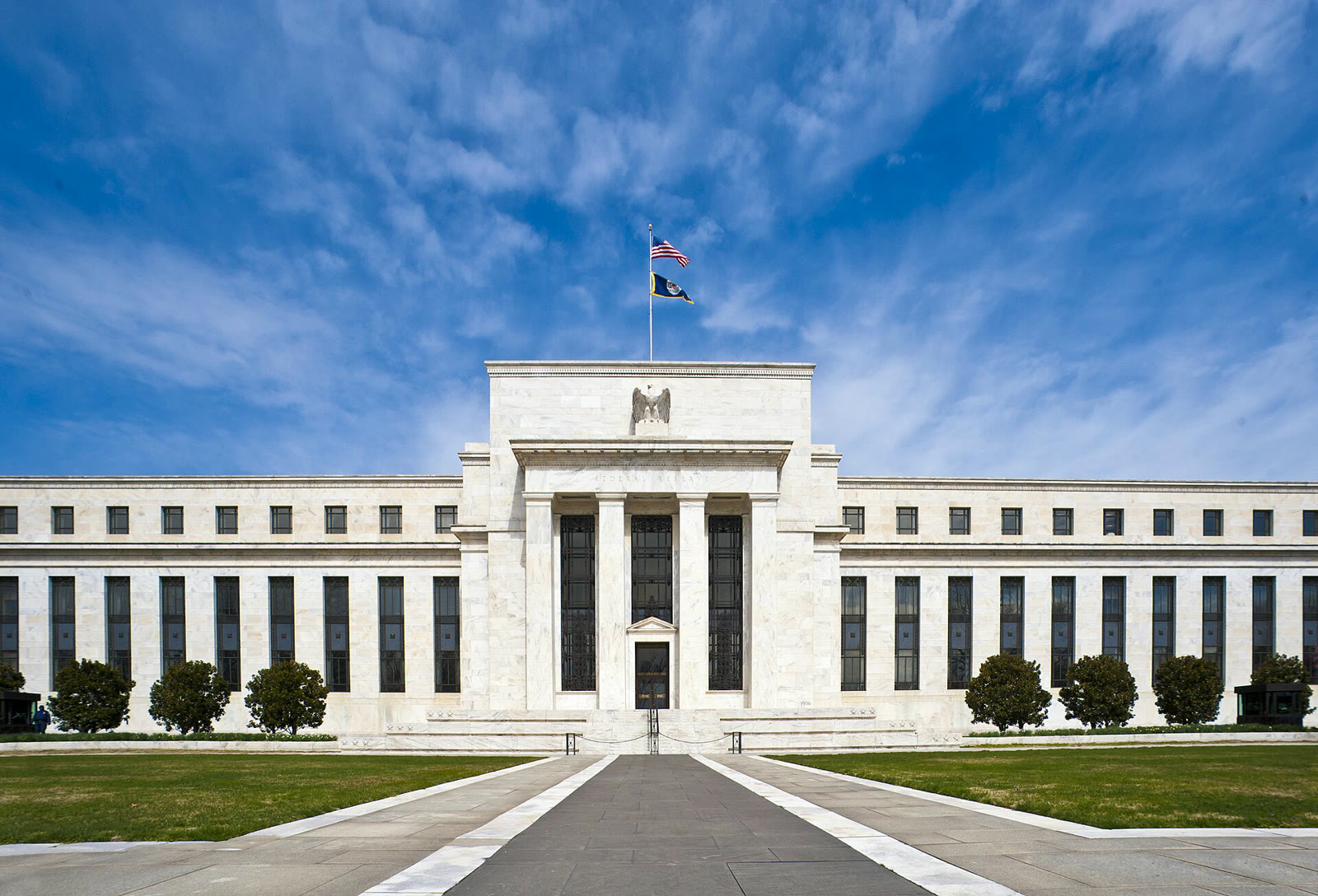
New York stocks decline
On the New York Stock Exchange, the Dow Jones fell 0.67%, the S&P 500 declined 0.77% and the Nasdaq lost 0.92%. U.S. stock-index futures also opened lower.
Nvidia received an additional $150 billion authorization for its share-buyback program, raising its total buyback capacity to $235 billion. The company’s shares rose 1.7%.
Semiconductor company AMD announced that it had reached an agreement to acquire artificial intelligence model and research laboratory World Labs in a deal valued at approximately $8.2 billion. AMD shares nevertheless fell 3.6%.
European and Asian markets face selling pressure
European stock markets traded mostly lower as expectations of a near-term ceasefire between the United States and Iran weakened. European Central Bank President Christine Lagarde said rising long-term bond yields in the euro area would slow economic growth.
France’s CAC 40 was flat, while Germany’s DAX 40 fell 0.13%, Italy’s FTSE MIB declined 0.21% and the United Kingdom’s FTSE 100 slipped 0.1%. European stock-index futures opened mixed.
Asian markets were also mostly negative, excluding China. Concerns that rising yields would increase borrowing costs for technology companies contributed to declines in technology stocks.
The Reserve Bank of Australia raised its policy rate by 25 basis points to 4.60%. Near the close, Japan’s Nikkei 225 was down 1.3%, South Korea’s Kospi fell 0.9% and Hong Kong’s Hang Seng declined 0.6%, while China’s Shanghai Composite rose 0.1%.
Borsa İstanbul ends the day lower
After trading under selling pressure, the BIST 100 index on Borsa İstanbul ended the day down 2.38% at 12,592.76 points. The October futures contract based on the BIST 30 index traded flat in the evening session compared with the regular-session close.
The dollar/Turkish lira exchange rate ended the previous day flat at 48.9759. The exchange rate traded at 48.9969 at the opening of the interbank market, just above the previous close.
President Recep Tayyip Erdoğan said in remarks following a Cabinet meeting that the problem under investigation in the funds market had occurred in a limited part of the market and that there was no risk spreading to the financial system.
Erdoğan said Türkiye’s capital markets were resilient and built on solid foundations, and announced that those found to have engaged in market-distorting actions would be held accountable before the law. Erdoğan said work on the liquidation of the closed funds was continuing and that he would meet with economic officials and the heads of the responsible institutions.
Analysts said the domestic economic confidence index, as well as the euro area economic and consumer confidence indexes and the number of JOLTS job openings in the United States, would be monitored. Technically, 12,500 and 12,400 points are being watched as support levels for the BIST 100 index, while 12,700 and 12,800 points are seen as resistance levels.
Data to watch
- 10:00: Türkiye’s September economic confidence index
- 12:00: The euro area’s September economic confidence index
- 12:00: The euro area’s September consumer confidence index
- 16:00: The United States’ July house price index
- 17:00: The New York Fed’s September consumer confidence index
- 17:00: The United States’ August JOLTS job openings



















