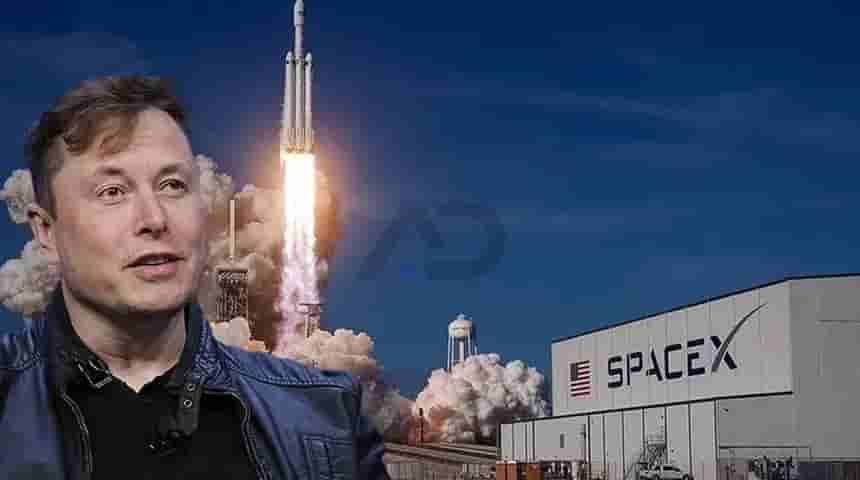
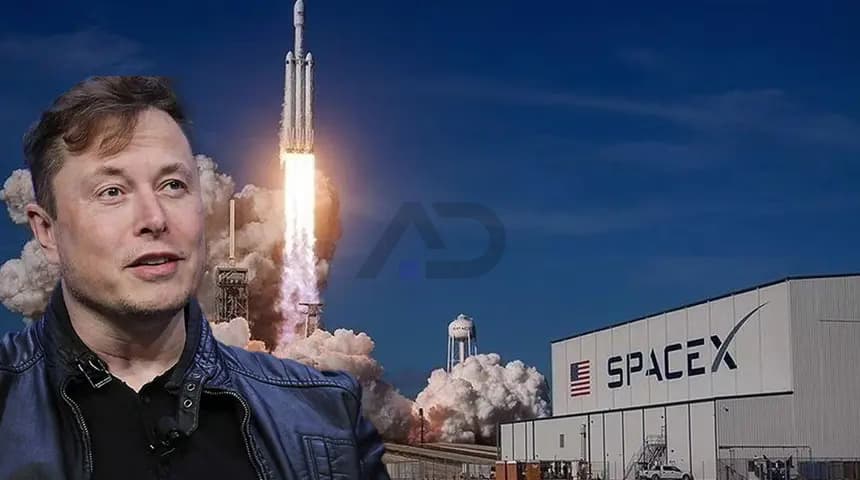
The rally briefly pushed SpaceX ahead of Microsoft in market capitalization, making it the fourth-most valuable company in the United States. During morning trading, the company’s valuation reached $2.94 trillion, slightly above Microsoft’s $2.93 trillion, before ending the session at approximately $2.65 trillion.
The increase also allowed SpaceX to move ahead of Amazon, whose market value stands near $2.64 trillion. Apple remains well ahead in third place with a valuation of roughly $4.4 trillion.
The latest gains come after SpaceX surged 20% during its first full trading day following its blockbuster market debut, an event that helped make CEO Elon Musk the world’s first trillionaire.
Since going public at $135 per share, SpaceX stock has climbed about 62%, outperforming Amazon’s roughly 45% gain over the past five years.
Earlier Tuesday, the company announced plans to acquire AI coding startup Cursor in a $60 billion deal expected to close in the third quarter. The acquisition could strengthen SpaceX’s position in the rapidly growing AI sector, where firms such as OpenAI and Anthropic have become major competitors.
Musk recently stated on X that SpaceX could potentially generate close to $1 trillion in annual revenue by 2030. Such a milestone would represent a dramatic increase from the $18.7 billion in revenue reported for 2025.
Despite its growth ambitions, the company remains unprofitable. SpaceX posted a net loss of $4.9 billion in 2025 and reported an additional $4.28 billion loss during the first quarter of 2026.
Founded in 2002, SpaceX has established itself as a dominant force in the satellite and launch industry through its Starlink network and reusable rocket technology. Earlier this year, Musk combined the company with his artificial intelligence venture xAI, which had previously been integrated with social media platform X.
The company’s soaring valuation has sparked debate among analysts. Research firm CFRA initiated coverage of SpaceX with a sell rating and a 12-month price target of $115, implying significant downside from current levels. The firm cited ambitious growth expectations, rich valuation metrics and the capital-intensive nature of the business as key concerns.
Steve Westly, founder of The Westly Group and a former Tesla board member, said investors are likely to demand evidence that the company can meet the growth targets outlined in its IPO filing. He warned that shareholder patience could wear thin if SpaceX fails to deliver results within the next few quarters.
Supporters of the stock, however, argue that its appeal lies in long-term opportunities tied to artificial intelligence, industrial innovation, infrastructure development and the expanding space economy. According to Wedbush analyst Dan Ives, many investors are focused on the broader technological transformation taking shape over the coming decade rather than short-term financial performance.