The high-level week of the United Nations General Assembly will take place from Sept. 22 to 28 at the organization's headquarters in New York. At the annual meetings, heads of state and government and foreign ministers will discuss global issues.
Bangladesh's Foreign Minister Khalilur Rahman will preside over the 81st session of the 193-member UN. UN Secretary-General Antonio Guterres will take part in the opening proceedings of the General Assembly for the final time before his term ends.
Erdoğan will speak fourth on the first day
Turkish President Recep Tayyip Erdoğan will represent Türkiye at the General Assembly. Erdoğan will speak fourth on the first day of the meeting and address the UN General Assembly for the 16th time.
Under a practice in place since 1955, Brazil will deliver the first speech after the presidents of the General Assembly. The host country, the United States, will speak from the General Assembly podium after Brazil.
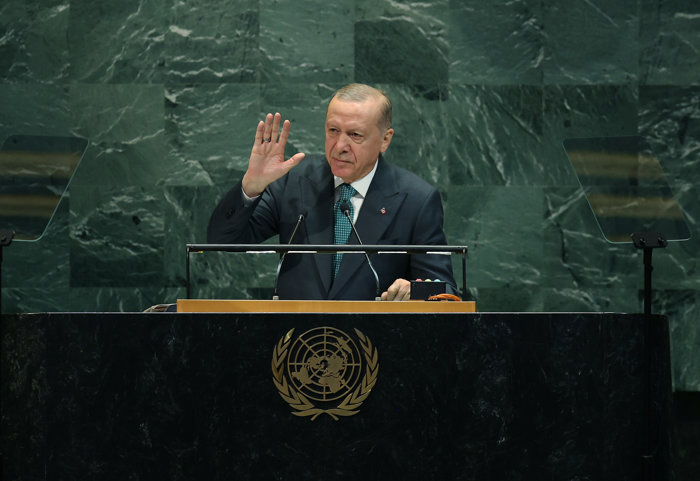
Restoring trust is the main theme of the General Assembly
This year's meeting will be held under the theme “Building Trust Again, Managing Transformation: The UN Delivering for Everyone.” More than 150 heads of state and government, as well as numerous vice presidents, deputy prime ministers, ministers and senior government officials, are expected to attend the General Assembly.
The meetings will address adapting the UN to current global conditions and strengthening the multilateral system. Increasing the effectiveness of international institutions in the face of geopolitical rivalry, ongoing wars, economic inequalities and global crises will also be among the key issues highlighted in the leaders' speeches.
Agenda spans climate change to artificial intelligence
Leaders are expected to address climate change, the Sustainable Development Goals, development financing, artificial intelligence and technological transformation, global health, pandemic preparedness, nuclear disarmament and international security.

High-level meetings are planned on climate action and a just transition, nuclear disarmament, the 40th anniversary of the Declaration on the Right to Development, the threats posed by rising sea levels and preparedness for future pandemics. Combating racism, racial discrimination, xenophobia and related intolerance will also be on the meeting agenda.
Conflicts and regional crises to be discussed
Leaders are expected to address conflicts, crises and disputes in different parts of the world at the General Assembly podium and during bilateral or multilateral contacts. The situation in Gaza, attacks on Iran, freedom of navigation in the Strait of Hormuz, the Russia-Ukraine war, the Cyprus issue and the conflict in Sudan will be among the topics on the agenda.
The humanitarian crisis in Myanmar and the security crisis in Haiti are also expected to be discussed during diplomatic contacts. These issues are expected to be considered within the framework of more effective responses by international institutions to crises and the restoration of trust among member states.
Arrest warrant for Netanyahu also on the agenda
One of the issues expected to come to the fore during the General Assembly is whether the arrest warrant issued by the International Criminal Court for Israeli Prime Minister Benjamin Netanyahu in 2024 will be enforced.
New York Mayor Zohran Mamdani said Netanyahu should be arrested in accordance with the court's decision and that they would act within the powers granted by city laws. Mamdani also said he did not have independent legal authority to carry out the arrest and that the step should be taken by the federal government.
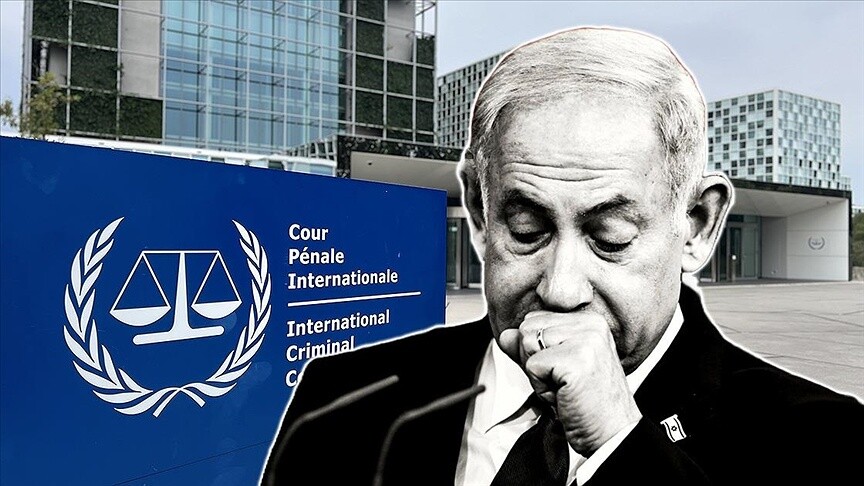
The US government, meanwhile, took the position that Netanyahu would not be arrested. The US administration also again rejected the visa applications of Palestinian President Mahmoud Abbas and Palestinian officials expected to speak at the General Assembly.
Guterres prepares for his final General Assembly address
In his final General Assembly address, UN Secretary-General Antonio Guterres, whose term ends on Dec. 31, 2026, is expected to call for stronger multilateral cooperation in the face of crises confronting the international system and changing global balances.
Guterres is expected to emphasize adherence to the fundamental principles of the UN Charter and the importance of dialogue in resolving disputes. As the selection process for the next UN secretary-general continues, the new secretary-general is scheduled to take office on Jan. 1, 2027.
Diplomatic contacts held במסגרת the General Assembly are also expected to be important for the selection process of the next secretary-general.


















