On the first day of COP31, which began in Antalya, ministers outlined Türkiye's roadmap for addressing the effects of climate change on food, health and transport. Minister of Agriculture and Forestry İbrahim Yumaklı spoke during a session on food systems, while Minister of Health Kemal Memişoğlu addressed a joint news conference with World Health Organization (WHO) Director-General Tedros Adhanom Ghebreyesus.
Yumaklı: No country can overcome these challenges alone
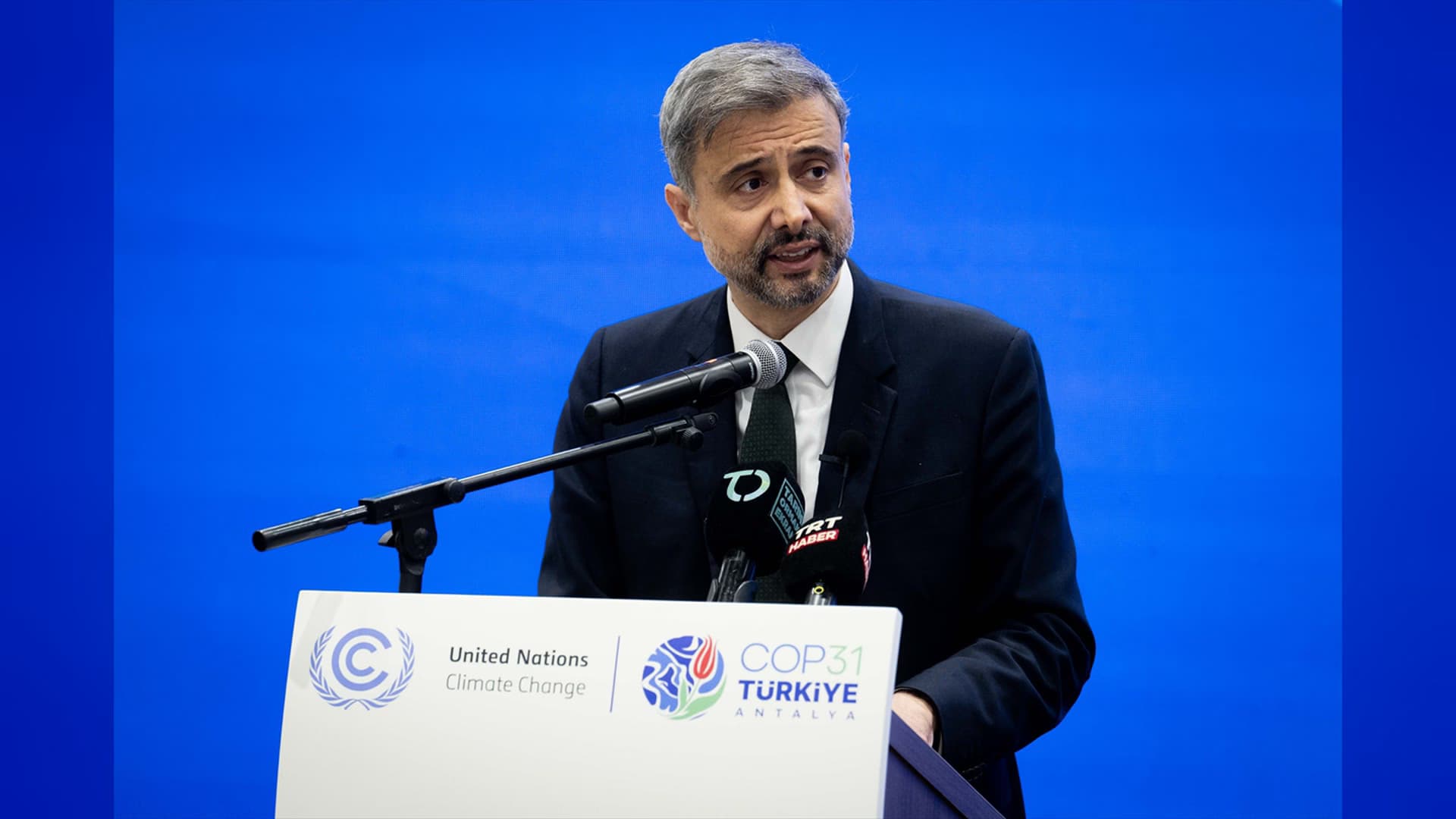
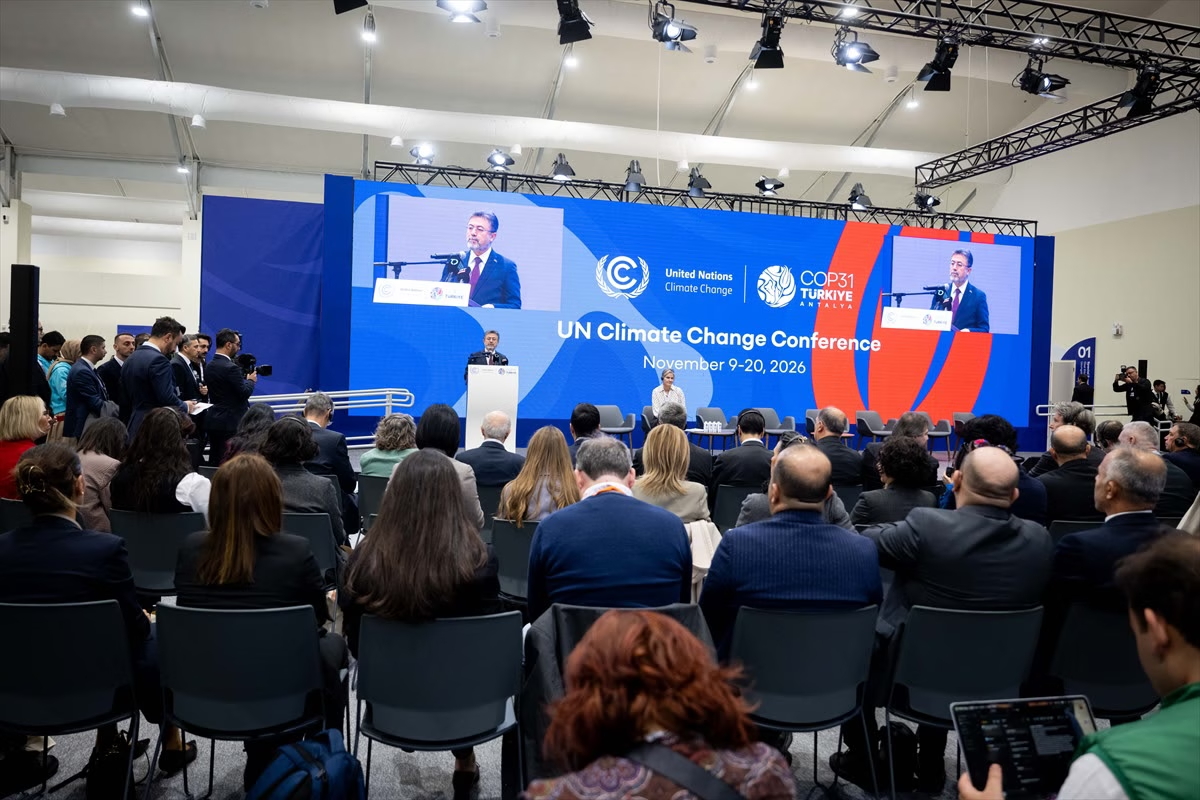
Yumaklı spoke during the session titled “Food Systems Under Pressure: Strengthening Resilience from the First Step,” ahead of the presentation of the “Report on Rural Supply Chains Under Pressure.” He said water scarcity, biodiversity loss, geopolitical tensions and fluctuations in input costs affected not only production but the entire chain, from storage to market access. He added that resilience should be understood as the ability to anticipate risks and recover quickly.
“No country can overcome these challenges alone. Together with IFAD and our other international partners, we must expand concrete steps that support producers, protect natural resources and strengthen the continuity of food supplies in the face of crises,” Yumaklı said.
Alvaro Lario, president of the UN International Fund for Agricultural Development (IFAD), said the report showed that an approach combining financing, input support and market access could prevent approximately one-fifth of net agricultural income losses. Lario cited a watershed development project in Türkiye as an example, saying it had increased the income of approximately 25,000 households by 41% and their productivity by more than 50%.
Memişoğlu: May a solution in one country save lives in another
Speaking at the Mevlana Celaleddin Rumi Hall in the Blue Zone, Memişoğlu said Türkiye had prepared its 2026-2030 Climate Change and Health Action Plan. He said approximately 175,000 samples were taken each year from drinking and utility water, and that Türkiye aimed to turn meteorological warnings about extreme heat into local preventive health measures.
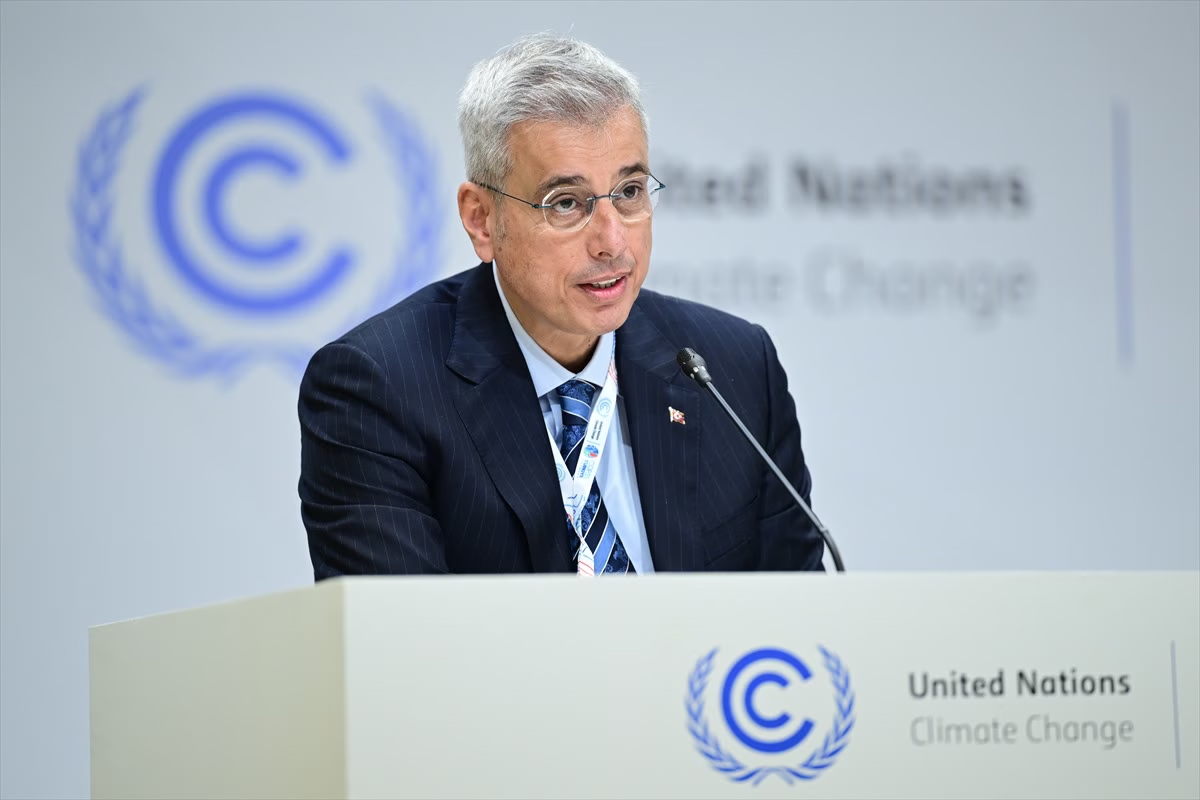
“Through the Antalya Resilient Health Systems Initiative, which we proposed within the framework of COP31, we aim to turn countries' knowledge and experience into lasting cooperation. We want a successful solution developed in one country to be able to save lives in another,” Memişoğlu said.
Thanking Memişoğlu for the initiative, Tedros said, “The effects of climate change are no longer theoretical risks that will be experienced in the future; they are threats being experienced here and now.” Tedros emphasized that the initiative was progressing in coordination with the WHO's climate and health work and would lay the groundwork for future COPs.
Uraloğlu: Rail temperatures will be monitored in real time at 425 points
Minister of Transport and Infrastructure Abdulkadir Uraloğlu announced in a written statement on the day the conference opened that a Rail Temperature Alert System (RAYSİS) would be established at 425 points across Türkiye to address heat-related risks that climate change could create for railways. In the project jointly carried out by TCDD and ASELSAN, data will be transmitted to TCDD regional directorates and the Eryaman Monitoring Center using LoRaWAN technology.
“When rail temperatures exceed specified critical levels, the system will automatically generate an alarm. These alerts will be sent to the relevant trains through the ASELSAN APCO25 radios on board our trains,” Uraloğlu said.
Photos: AA