- BIST10012,151-0.94%
- USD49.220.00%
- EUR55.21+0.28%
- GOLD4,194.50-0.52%
- INTEREST37.00%-1.00
- BITCOIN83,014-0.79%
- October 12, 202619°
- BIST10012,151-0.94%
- USD49.220.00%
- EUR55.21+0.28%
- GOLD4,194.50-0.52%
- INTEREST37.00%-1.00
- BITCOIN83,014-0.79%
- October 12, 202619°
Tina Fey and Colman Domingo revealed the secrets of the set
Colman Domingo explained the tone of the season while directing the opening episode of The Four Seasons. Tina Fey shared her first directing experience in the series and her actor-focused...


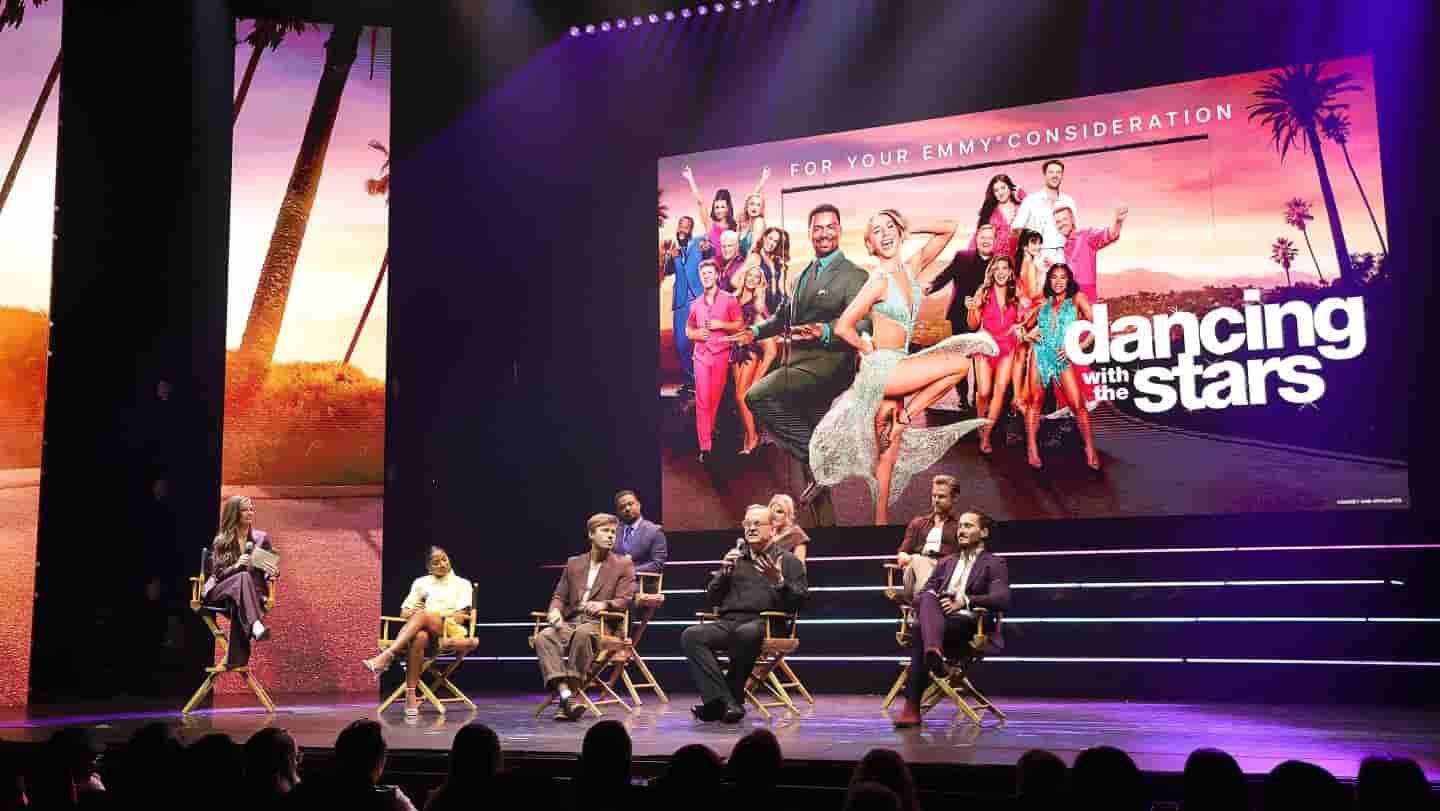
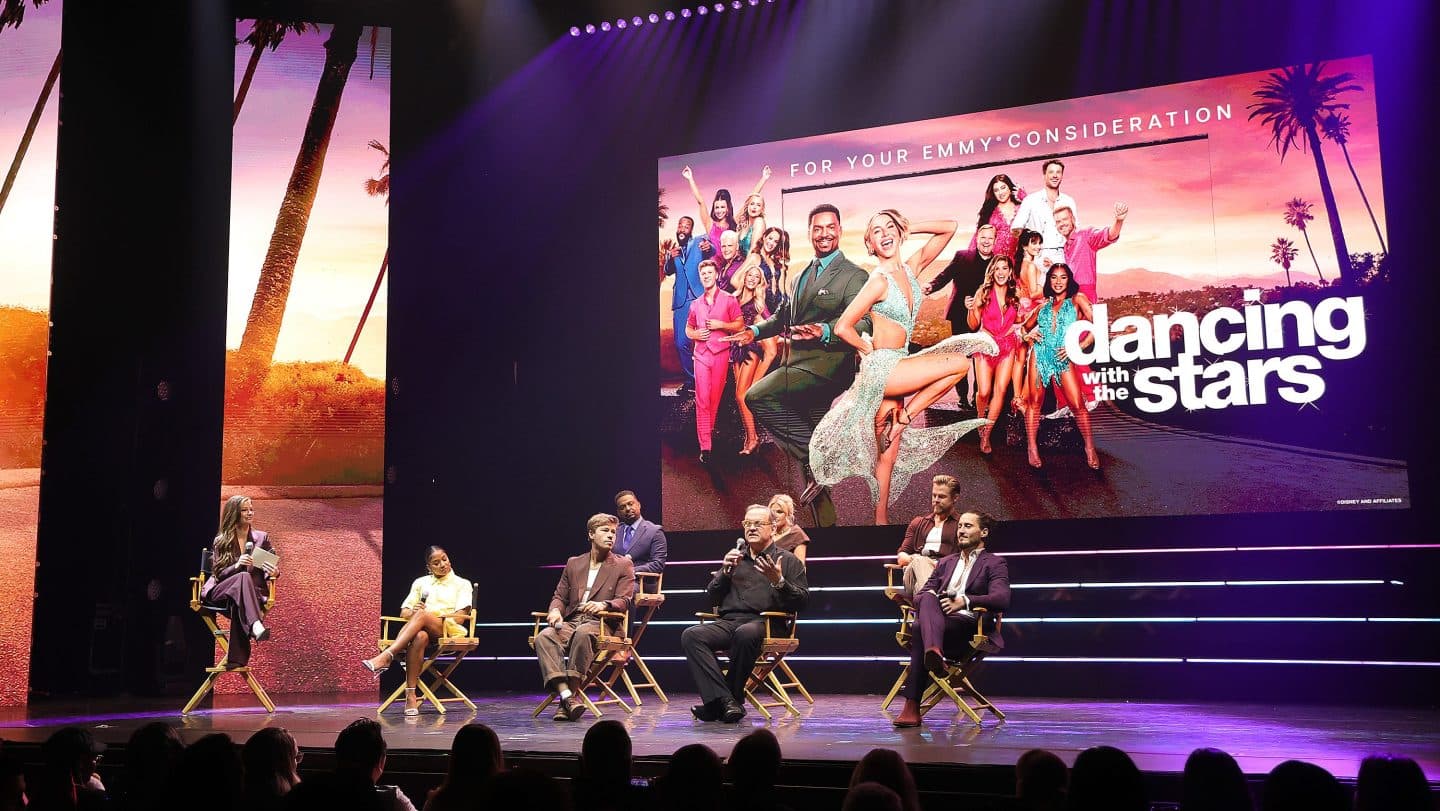
The Four Seasons team’s panel about the second season highlighted both the cast and the visual language of the series. Colman Domingo said that while directing the season's opening episode, he aimed to bring the audience back to the warm relationships of the characters and simultaneously lay the groundwork for conflicts that could grow.
Domingo described television directing as a different challenge compared to his previous work. He emphasized that especially in the opening episode, he tried to establish a pace that conveyed the characters' desire to stay together but also the tension felt in later scenes.
Highlights
- Colman Domingo directed the opening episode of the second season of the series.
- Tina Fey took on directing for the first time in this series with the second episode.
- The production team explained that a natural and simple tone was maintained in the visual language of the series.
- It was emphasized that casting was a fundamental element carrying the chemistry between the characters of the series.
Domingo: The goal was to bring back warmth
Domingo said he wanted the scenes to leave a familiar and intimate feeling in the viewer. According to him, the role of the first episode was to reintroduce the audience to the world of this group of friends and then strengthen the impact of upcoming disagreements.
While describing his directing approach, he noted that the scenes at the table were not just about dialogue. He expressed that the camera setup made visible the characters' small conversations and separate emotions despite being in the same environment.
Tina Fey’s first step in directing
Tina Fey, who directed the second episode, said the most important criterion for her in transitioning to directing was that this step genuinely contributed to the story. Fey explained that she did not want to appear as someone just overseeing the set as a writer but aimed for the scenes she directed to advance the narrative.
Fey also stated that working on this series felt more natural to her. She attributed this to the production largely relying on the relationships between the actors; she initially felt hesitant on the camera side but said she received support during the process.
Visual tone: natural, realistic, and simple
The production’s cinematographer Tim Orr explained that they focused on maintaining visual consistency throughout the season. According to Orr, new ideas brought by different directors to the episodes had to be integrated into the story without disrupting the series' unity.
Orr summarized the atmosphere they aimed to achieve on screen with the words "real," "natural," and "elegant simplicity." He said this approach supported the comedic tone of the series while keeping the scenes free from artificiality.
Set design also carried humor
Production designer Sharon Lomofsky explained that they tried to create an absurd holiday atmosphere in one of the story’s locations. The proximity of the remote New York hotel where the characters stay and the nearby barbecue restaurant added an ironic tension to the scenes.
Lomofsky said that animal head decorations were placed to face the table from every camera angle. She noted that this detail enhanced the different feelings among the characters about whether the place was pleasant or strange.
Context: The Four Seasons is produced by Universal Television and airs on Netflix. The series is inspired by the spirit of the 1981 film of the same name.
The appeal of the cast
Casting director Sherry Thomas said it was not difficult to find a cast for a project working with Tina Fey. According to Thomas, once the core team at the center of the series was established, it became easier to complete the supporting characters that matched their tone.
Thomas explained that the second season also included names who appeared briefly on screen but would be recognized by the audience. Fey said the main criterion for an actor to fit this cast was genuinely feeling like someone you could spend time with.
Fey also noted that names like Toby Huss and Steven Pasquale fit this understanding. According to her, actors being genuinely funny is one of the most important features that strengthen the sense of community in a series.
The panel revealed how the balance between humor, relationship dynamics, and visual simplicity was established in the second season of The Four Seasons. Both Domingo’s episode approach and Fey’s first directing experience further highlighted the character-centered structure of the series.
Stay Updated with The Turkiye Times
Subscribe to be informed about special news, developments and announcements. We will keep you informed.
By signing up, you agree to our Privacy Policy