- BIST10011,842-0.01%
- USD50.28+0.05%
- EUR55.60-0.24%
- GOLD3,862.10+0.24%
- INTEREST36.00%-1.00
- BITCOIN64,549-0.43%
- November 17, 202614°
- BIST10011,842-0.01%
- USD50.28+0.05%
- EUR55.60-0.24%
- GOLD3,862.10+0.24%
- INTEREST36.00%-1.00
- BITCOIN64,549-0.43%
- November 17, 202614°
Türkiye's Diyanet presents charter to Bosnia's new Reis-ul-Ulema Grabus
Nedžad Grabus, the new Reis-ul-Ulema of the Islamic Community in Bosnia and Herzegovina, began his term at Sarajevo's Gazi Husrev-beg Mosque with an investiture charter commissioned by Türkiye's Presidency of Religious Affairs and written by a Turkish calligrapher. Safi Arpaguş, president of Türkiye's Presidency of Religious Affairs, also attended the ceremony.
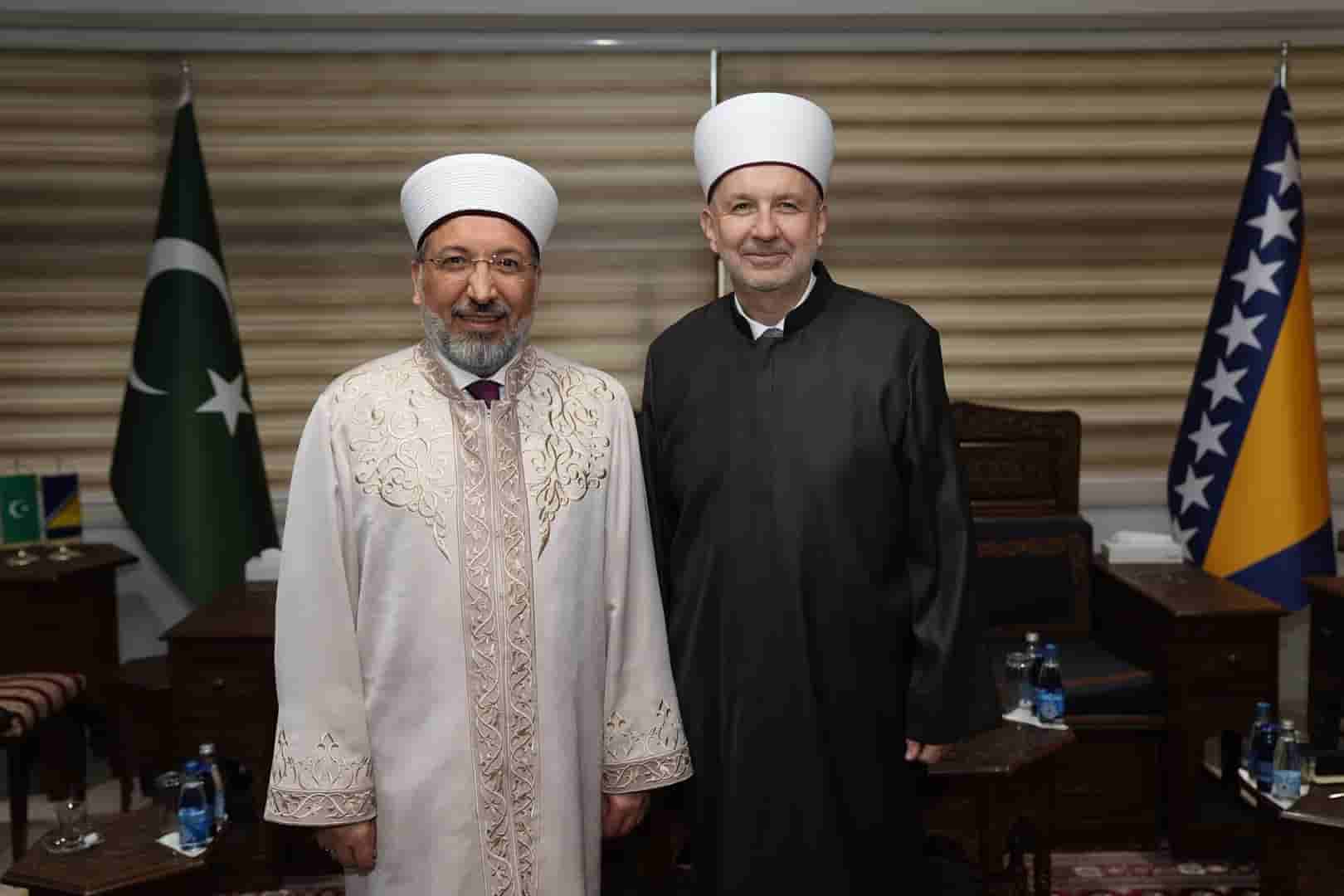
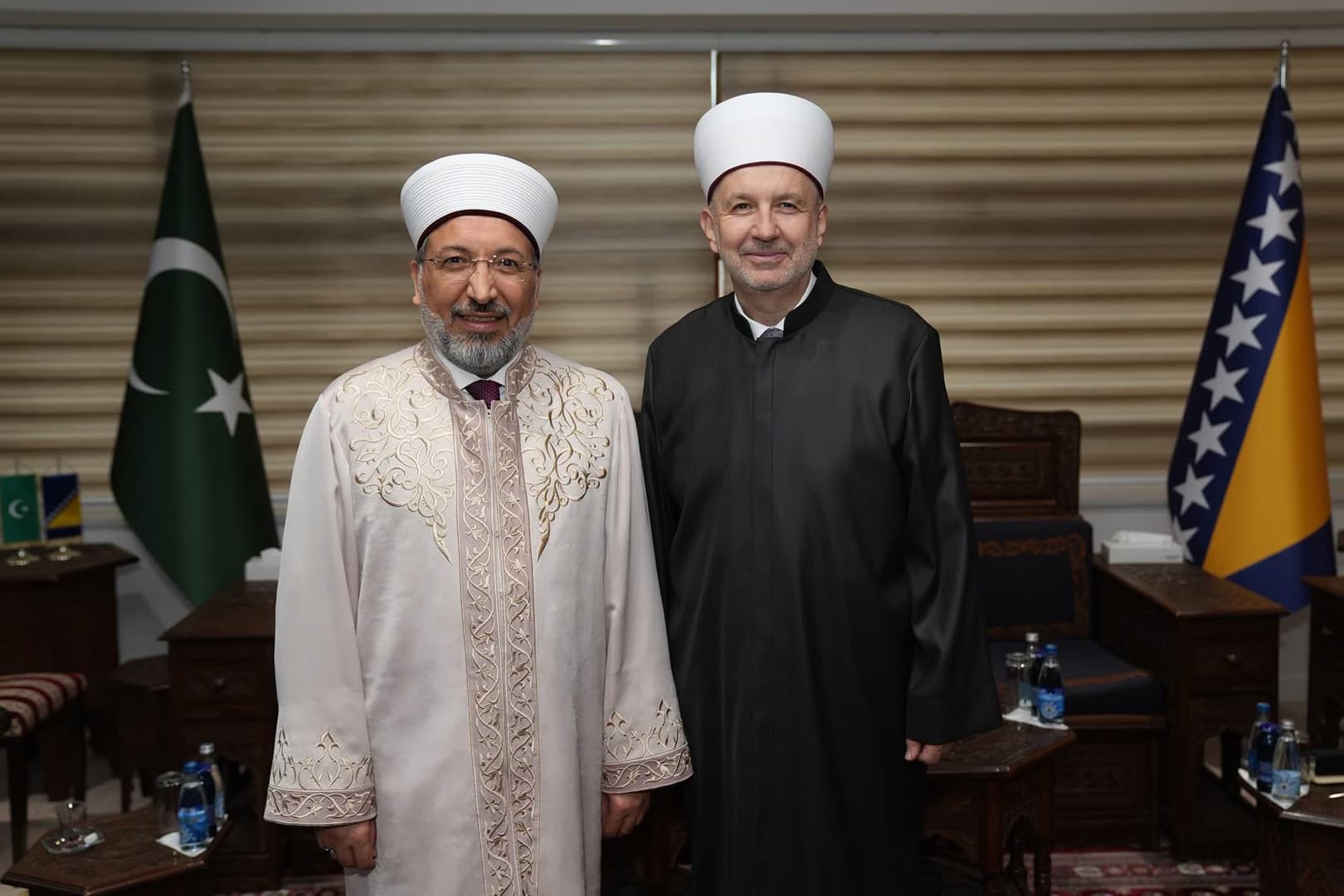
Prof. Dr. Nedžad Grabus, the new Reis-ul-Ulema of the Islamic Community in Bosnia and Herzegovina, officially began his term at an investiture ceremony held on Sunday, November 15, at Sarajevo's Gazi Husrev-beg Mosque. The certificate of office presented to Grabus was commissioned by Türkiye's Presidency of Religious Affairs at his request.
The investiture charter was written in traditional Istanbul calligraphy by Hakan Arslan, a calligrapher and imam-preacher from the Esenyurt District Mufti's Office in Istanbul, who had been assigned by Türkiye's Presidency of Religious Affairs to Bosnia and Herzegovina from November 4 to 9. The Arabic text on handmade burnished paper features the title in thuluth, Grabus's name in ijazah, and the main text in naskh script.
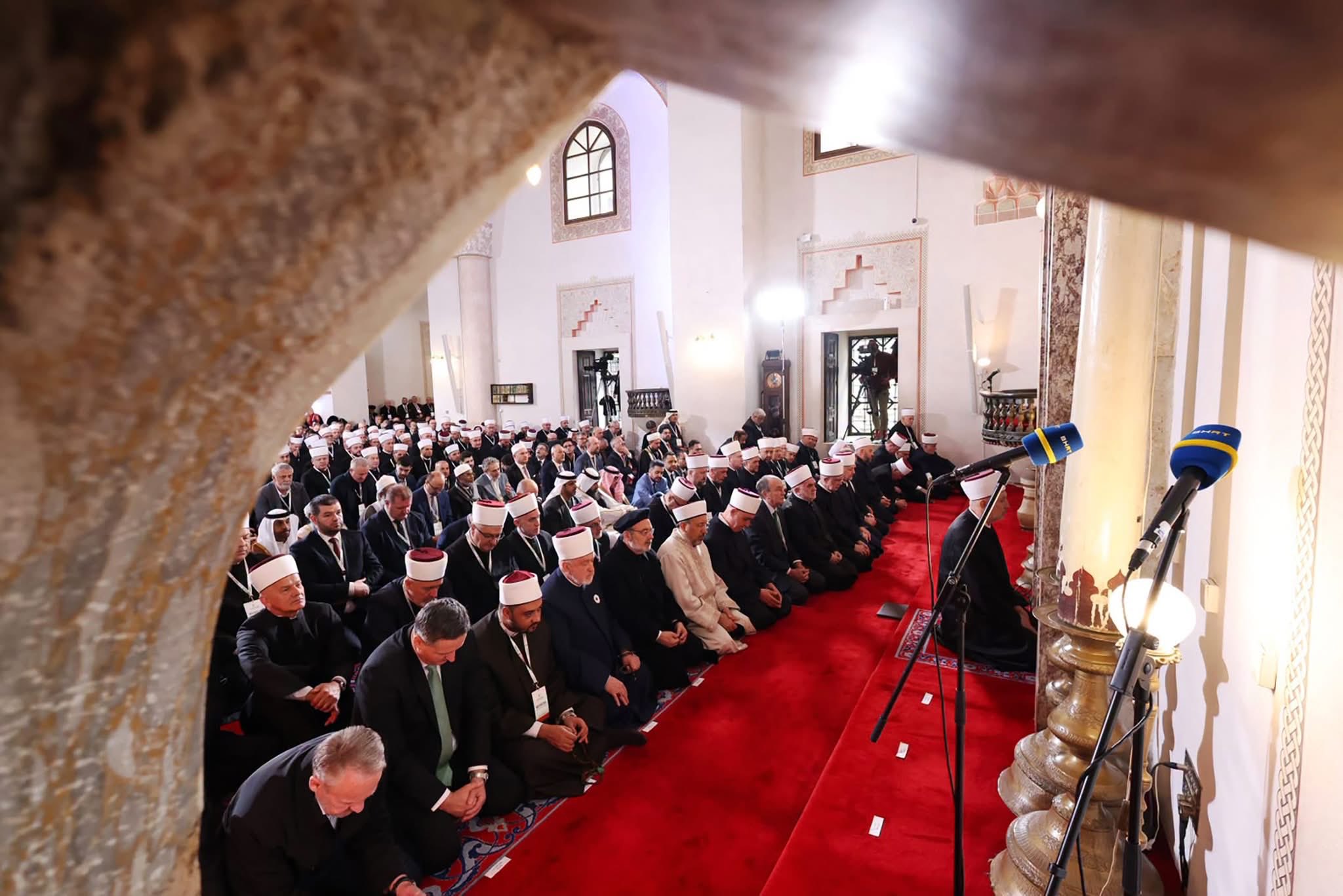
The ceremony was attended by Prof. Dr. Safi Arpaguş, president of Türkiye's Presidency of Religious Affairs; Türkiye's Ambassador to Sarajevo, Emin Akseki; Denis Bećirović, the Bosniak member of the Presidency of Bosnia and Herzegovina; and Bakir Izetbegović, chairman of the Party of Democratic Action (SDA). Edhem Bičakčić, president of the Assembly of the Islamic Community in Bosnia and Herzegovina, read the document and presented it to Grabus.
The investiture charter confirms that the new Reis-ul-Ulema was elected in accordance with established procedures and grants him the authority to appoint muftis, imams and religious educators. The tradition of this document, whose name comes from the Arabic word “manshur,” entered Bosnia's religious administration through Ottoman institutions.
Grabus was elected Reis-ul-Ulema on October 10 for the 2026–2033 term. Grabus, who was Sarajevo's mufti at the time of his election, succeeded Husein Kavazović, who served two terms. The Reis-ul-Ulema is elected for a seven-year term and may serve no more than two terms.
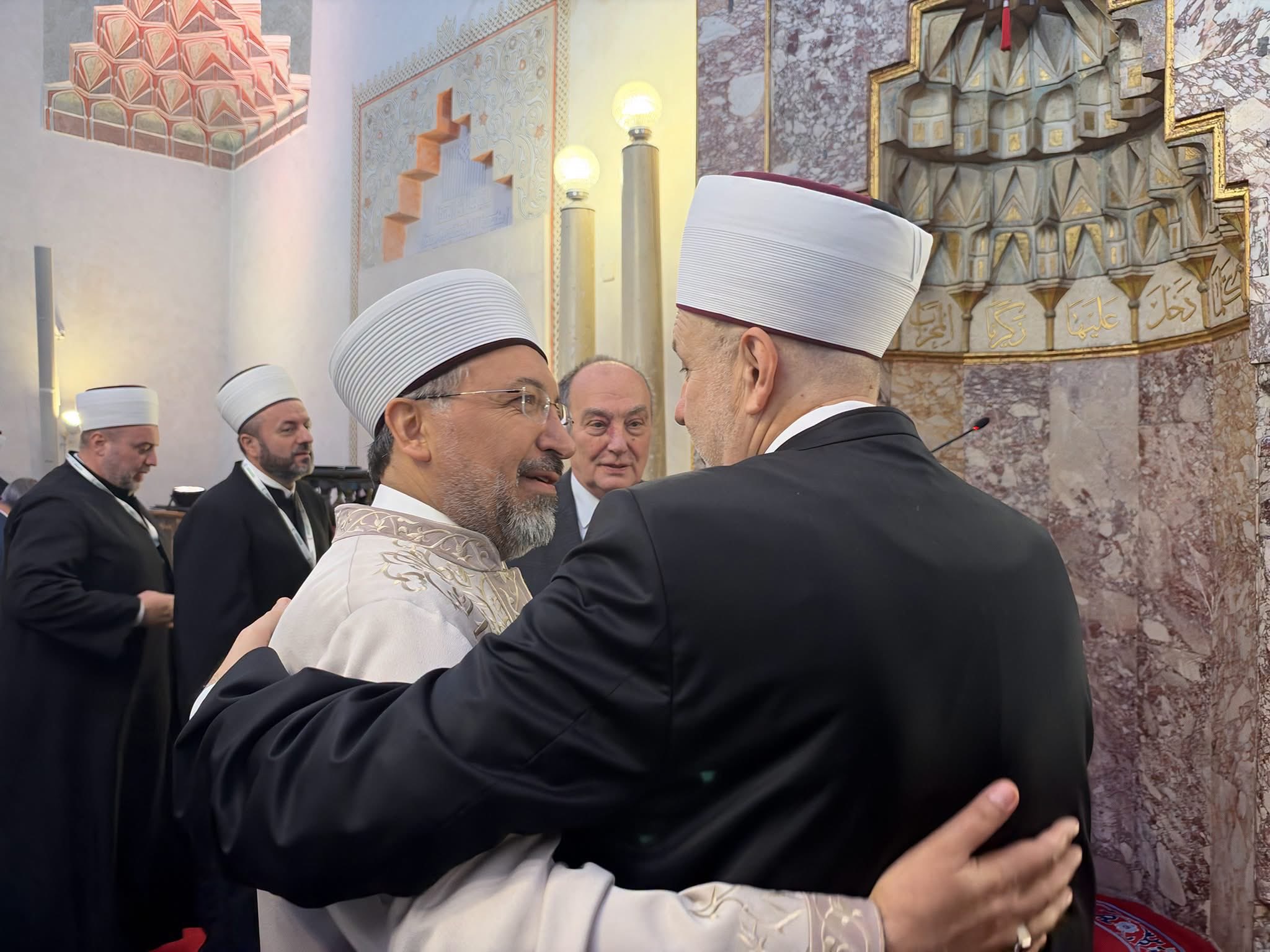
In his first address to the congregation, Grabus stressed that the Islamic Community is a single and united community, and said they would develop programs to strengthen unity and remain open to beneficial trends of the modern era. After the ceremony, Arpaguş said Türkiye's Presidency of Religious Affairs would continue supporting the Islamic Community in Bosnia and Herzegovina.
During his visit, Arpaguş met with Grabus at the Riyaset offices, discussed religious services in the region with Ambassador Akseki at the Embassy of Türkiye in Sarajevo, and visited Kovači Martyrs' Cemetery, where Aliya Izetbegović, Bosnia and Herzegovina's first president, is buried.
Stay Updated with The Turkiye Times
Subscribe to be informed about special news, developments and announcements. We will keep you informed.
By signing up, you agree to our Privacy Policy