- BIST10011,842-0.01%
- USD50.28+0.05%
- EUR55.60-0.24%
- GOLD3,865.40+0.32%
- INTEREST36.00%-1.00
- BITCOIN64,752-0.86%
- November 17, 202614°
- BIST10011,842-0.01%
- USD50.28+0.05%
- EUR55.60-0.24%
- GOLD3,865.40+0.32%
- INTEREST36.00%-1.00
- BITCOIN64,752-0.86%
- November 17, 202614°
AI warning at COP31: Unregulated systems could cut power and disrupt transport
A COP31 session examined the risks of rapidly expanding artificial intelligence in energy grids and transport networks. Nafeesa Alshaala, founder of DiploTech Solutions, called for standards to be set through international cooperation rather than left to a single supplier.

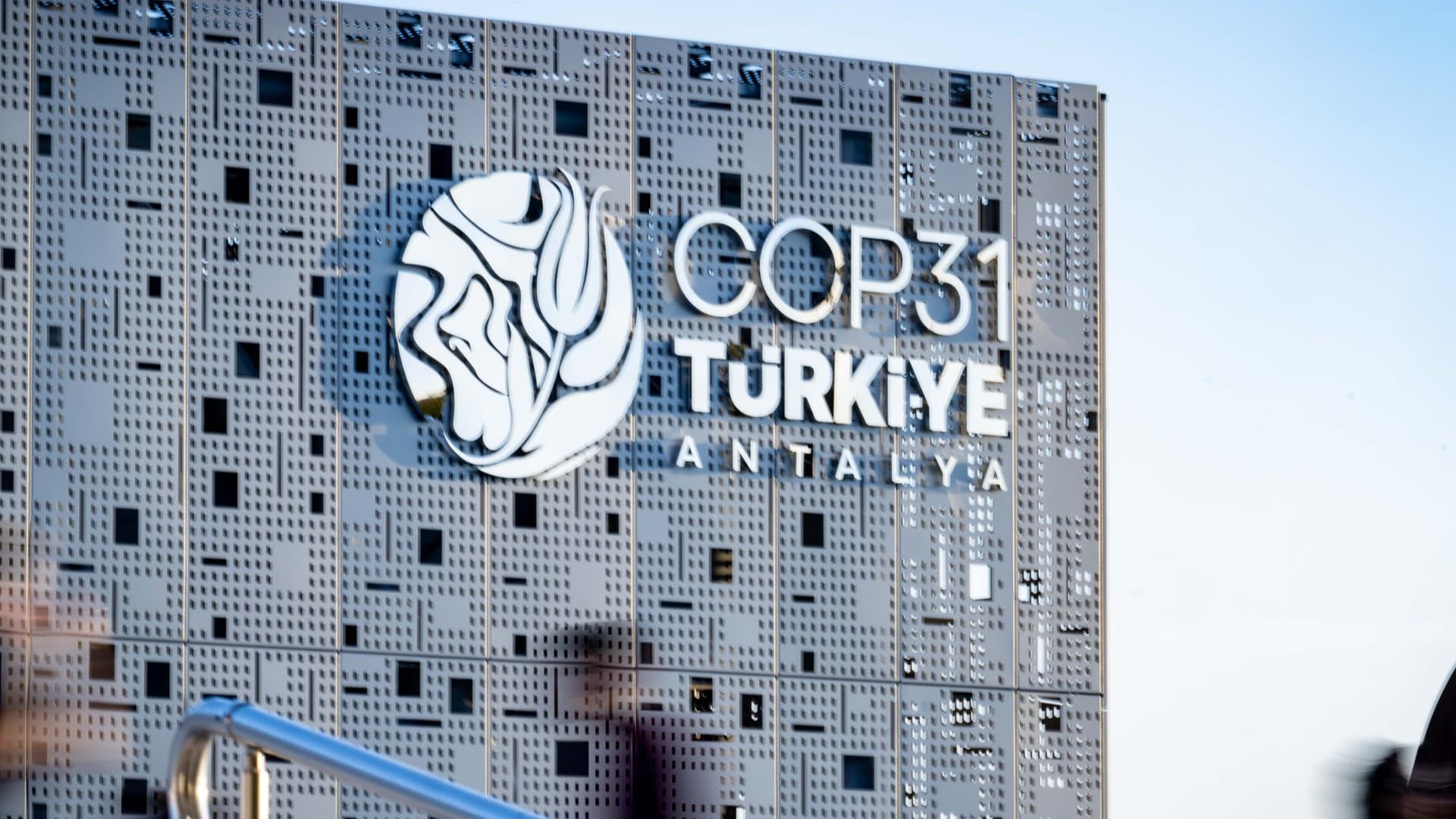
The role of artificial intelligence in energy and transport infrastructure, along with the risks it brings, was examined at the UN Climate Change Conference COP31 in Antalya. At the event titled "Governing AI in Energy and Transport: Bridging Technology Diplomacy and Climate Resilience," speakers emphasized that as digitalization accelerates across grids and transport networks, AI is becoming increasingly important to net-zero goals.
The session addressed the governance of AI use in cross-border energy and transport systems, infrastructure resilience and the challenges of harmonizing countries' different legal frameworks. It also explored how technology diplomacy and AI governance frameworks could protect critical infrastructure from systemic risks.
"The green transition has become dependent on digital systems"
Nafeesa Alshaala, founder of DiploTech Solutions, which operates in the fields of artificial intelligence and technology diplomacy, said the green and digital transitions must now be addressed together. Alshaala said, "For many years, governments considered the green and digital transitions separately, but that approach is no longer valid today."
Alshaala warned that without strong governance and oversight mechanisms, technical failures in these systems could go beyond software and lead to widespread power outages or disruptions to urban transport. She said cybersecurity, operational risks and dependence on foreign technology must be addressed.

Digital sovereignty and common standards
"Digital sovereignty does not mean isolation," Alshaala said, defining genuine digital sovereignty as countries' ability to retain the capacity to choose, verify and restore their own technological systems following a failure. She emphasized that ethical and operational standards for green infrastructure should be established through international cooperation, not by a single technology supplier.
Alshaala recommended assessing the effects of potential system failures, adopting regulations on AI governance and strengthening international partnerships. She said, "Resilience against the effects of climate change also requires digital resilience."
Photos: AA. Source: Anadolu Agency
Stay Updated with The Turkiye Times
Subscribe to be informed about special news, developments and announcements. We will keep you informed.
By signing up, you agree to our Privacy Policy