- BIST10012,151-0.94%
- USD49.220.00%
- EUR55.21+0.28%
- GOLD4,195.90-0.48%
- INTEREST37.00%-1.00
- BITCOIN82,797-1.05%
- October 13, 202619°
- BIST10012,151-0.94%
- USD49.220.00%
- EUR55.21+0.28%
- GOLD4,195.90-0.48%
- INTEREST37.00%-1.00
- BITCOIN82,797-1.05%
- October 13, 202619°
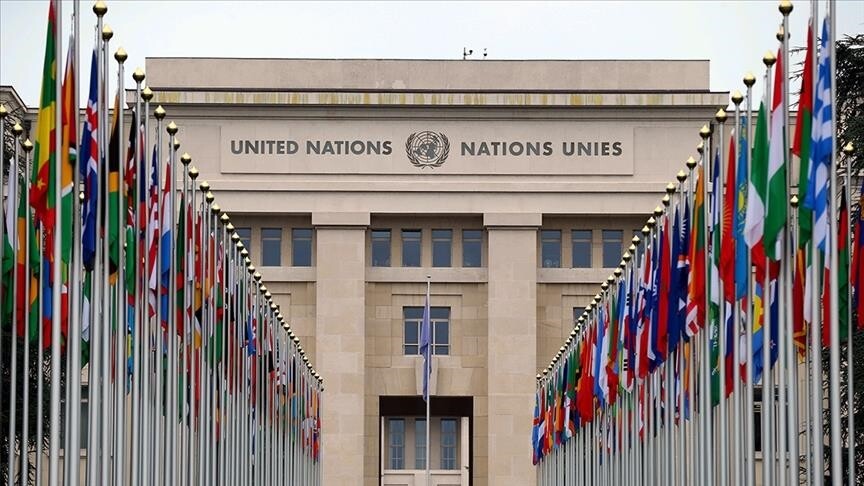
UN lists 214 companies linked to Israeli settlements in Palestine
The UN Human Rights Office updated its database of 214 companies from 11 countries involved in activities linked to Israeli settlements in the occupied Palestinian territory. Of the 126 businesses reviewed in the update, 61 were added to the list, while five previously listed companies were removed.


The UN Human Rights Office updated its database of businesses involved in activities in Israeli settlements located in the occupied Palestinian territory. The database was established under a mandate from the UN Human Rights Council and was first published in 2020.
The list was updated in 2023 and 2025. The latest report focused on activities in the agriculture, transport, storage, waste management, energy, food and accommodation sectors and included a total of 214 companies from 11 countries.
Submissions received concerning 596 businesses
The UN Human Rights Office received submissions concerning 596 businesses following a public call for information in 2024. The Office reviewed 215 businesses, including companies previously listed in the earlier report and existing sources.
Of the remaining 381 companies, 126 were assessed as part of the latest update. Work is continuing on businesses that could not be reviewed in time.
Of the 126 businesses reviewed, 61 were added to the list. Five companies previously included on the list were removed after it was determined that they were no longer involved in the activities described.
Companies’ impacts on human rights classified
This year’s update also included information on how companies were involved in adverse impacts on human rights, based on the UN Guiding Principles on Business and Human Rights.
The report classified this involvement at three levels. The most serious level, “causing,” refers to situations in which a company’s activities alone are sufficient to affect people’s ability to enjoy a human right. The “contributing” level covers cases in which a company’s activities combine with those of another actor to affect the enjoyment of a human right. “Direct linkage” means that there is a direct relationship between a company’s activities, products or services and adverse impacts on human rights.
International companies also included on the list
In addition to Israeli firms, the list included international companies from various countries. US-based Airbnb Inc., Booking Holdings Inc., Expedia Group Inc., Friends of Ir David, Hayovel Inc., Motorola Solutions, Inc., Re/Max Holdings, Inc. and TripAdvisor, Inc. were among the companies listed.
Absoluteskin Cosmetics (Pty) Ltd. from South Africa, Booking. Com B. V. from the Netherlands, Altice International Ltd. from Luxembourg, Construcciones y Auxiliar de Ferrocarriles S. A. (CAF), Ingenieria y Economia del Transporte S. M. E. M. P, S. A. (Ineco) and Salvat Logistica S. A. from Spain were also included on the list.
France’s Egis and Egis Rail, China’s Fosun International Ltd., the UK’s Greenkote P. L. C. and J. C. Bamford Excavators Ltd., Germany’s Heidelberg Materials AG and Mexico’s Orbia Advance Corp Sab de CV were also among the companies included in the updated list.
Call to companies and states
The report called on companies to fulfill their responsibility to respect human rights in line with widely accepted international standards. Companies were asked to take appropriate steps to address adverse human rights impacts arising from their involvement in the listed activities.
States were also urged to take steps to ensure that victims of human rights violations linked to activities in their territories or under their jurisdiction can access effective remedies consistent with international law.
UN High Commissioner for Human Rights Volker Türk said the report reminded companies that they have responsibilities regarding human rights. Türk said companies were expected to exercise the necessary due diligence to ensure that they do not become involved in human rights violations or abuses.
Stay Updated with The Turkiye Times
Subscribe to be informed about special news, developments and announcements. We will keep you informed.
By signing up, you agree to our Privacy Policy