- BIST10011,843+1.51%
- USD50.28+0.05%
- EUR55.60-0.24%
- GOLD3,888.90+0.07%
- INTEREST36.00%-1.00
- BITCOIN64,771-0.83%
- November 16, 202611°
- BIST10011,843+1.51%
- USD50.28+0.05%
- EUR55.60-0.24%
- GOLD3,888.90+0.07%
- INTEREST36.00%-1.00
- BITCOIN64,771-0.83%
- November 16, 202611°
UNFPA: Four in five people displaced by the climate crisis are women
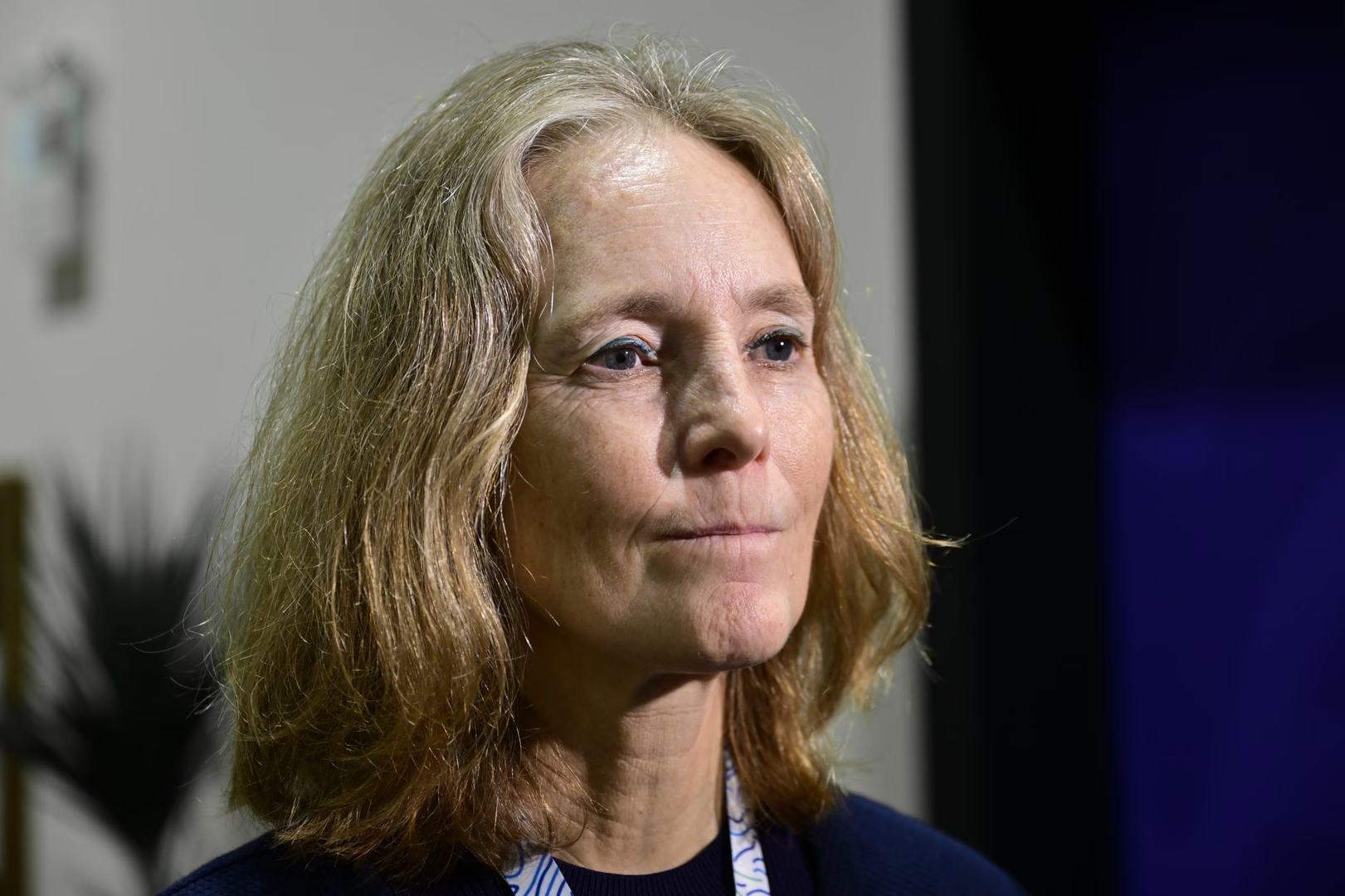
Florence Bauer, UNFPA regional director for Eastern Europe and Central Asia, said at COP31 that the climate crisis disproportionately affects women and girls. Bauer noted that only 2.3 percent of climate finance is allocated to reproductive health and combating violence.


Florence Bauer, UNFPA regional director for Eastern Europe and Central Asia, said the climate crisis affects women and girls far more severely than other sections of society and called for women to have a greater role in climate policies.
Speaking to Anadolu Agency (AA) on the sidelines of the UN Climate Change Conference (COP31) in Antalya, Bauer said, "In emergencies, mortality rates among women and girls are generally higher. In addition, in cases of displacement, women account for an average of four out of every five displaced people."
Heat waves increase risks during pregnancy
Bauer explained that heat waves increase the risk of complications during pregnancy and childbirth, while disasters such as floods make it harder for pregnant women to access health services. According to scientific data, a pregnant woman’s exposure to temperatures averaging 1 degree Celsius higher during the week before delivery increases the risk of stillbirth by 6 percent.
Bauer said there is evidence that climate-related disasters increase gender-based violence. Citing UNFPA research in Madagascar presented at COP31, she said 75 percent of reported domestic violence cases were linked to a climate-related shock.
Only 2.3 percent of financing
Explaining UNFPA’s expectations for COP31, Bauer said they wanted countries to include reproductive health and efforts to combat violence against women in their climate action plans, adding that more than half of these plans already include these priorities.
"Only approximately 2.3 percent of climate finance is allocated to priorities related to reproductive health and combating gender-based violence," Bauer said, stressing that the identified priorities must be supported with adequate financing.
Bauer said the effective participation of women and young people in decision-making processes was essential. "We are facing a serious climate crisis. However, we also have the knowledge, motivation and energy needed to respond to this crisis together. I see this clearly at COP31," she said.
Photos: AA
Stay Updated with The Turkiye Times
Subscribe to be informed about special news, developments and announcements. We will keep you informed.
By signing up, you agree to our Privacy Policy