- BIST10012,151-0.94%
- USD49.220.00%
- EUR55.21+0.28%
- GOLD4,194.50-0.52%
- INTEREST37.00%-1.00
- BITCOIN82,961-0.85%
- October 13, 202619°
- BIST10012,151-0.94%
- USD49.220.00%
- EUR55.21+0.28%
- GOLD4,194.50-0.52%
- INTEREST37.00%-1.00
- BITCOIN82,961-0.85%
- October 13, 202619°
US and Iran Signal Progress in Talks, But Tensions Persist
While signals of progress continue in talks between the US and Iran, military threats and tensions persist in the region. The US Secretary of Defense stated that in case of failure...


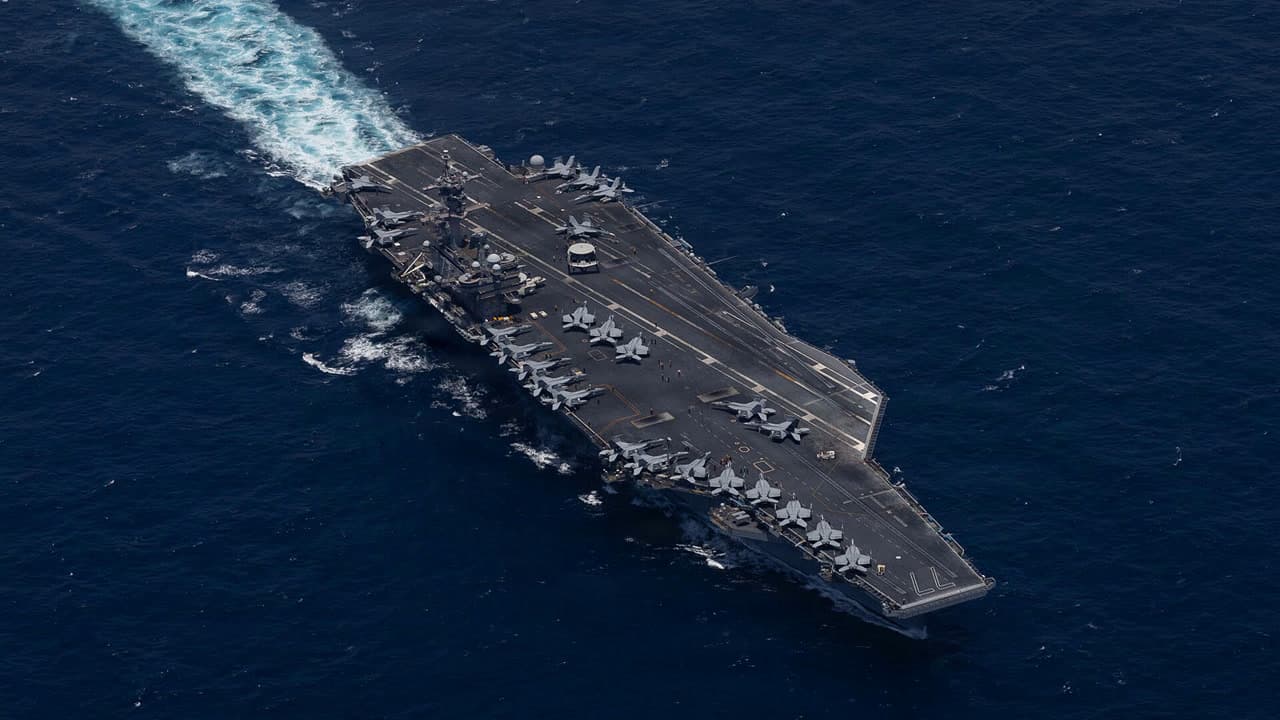
The US and Iran are signaling cautious progress towards a possible agreement. However, tensions in the region remain high and military threats accompany the diplomatic process. US Secretary of Defense Pete Hegseth announced that if the talks fail, the US is fully prepared to launch an attack on Tehran. Speaking at the International Institute for Strategic Studies Shangri-La Dialogue held in Singapore, Hegseth emphasized that the US has sufficient military capacity regionally and globally. He said that US President Donald Trump is patient and is pursuing a major deal to prevent Iran from acquiring nuclear weapons. Hegseth stated that the talks are constructive but did not provide details on critical points in the negotiations. Mohammad Bagher Ghalibaf, head of the Iranian parliamentary delegation, stated that Tehran only trusts actions and will not take any step without the other side making a move. Iranian Foreign Ministry spokesperson Esmaeil Baghaei rejected Washington's demand-based approach, stating that Tehran will not bow to pressure and criticized the US's illegal activities in the region. Following Hegseth's statements, tensions continue around the Strait of Hormuz. Iran launched a missile at a US airbase in the region in response to an alleged US drone operation by Iran. US officials stated that the missile was neutralized and that this attack violated the ceasefire. This incident further complicated fragile diplomatic efforts and revealed the risk of escalating tensions while talks continue.
Stay Updated with The Turkiye Times
Subscribe to be informed about special news, developments and announcements. We will keep you informed.
By signing up, you agree to our Privacy Policy