- BIST10011,722-2.89%
- USD49.45+0.05%
- EUR55.62+0.37%
- GOLD4,181.10+0.26%
- INTEREST37.00%-1.00
- BITCOIN81,103-0.34%
- October 18, 202614°
- BIST10011,722-2.89%
- USD49.45+0.05%
- EUR55.62+0.37%
- GOLD4,181.10+0.26%
- INTEREST37.00%-1.00
- BITCOIN81,103-0.34%
- October 18, 202614°
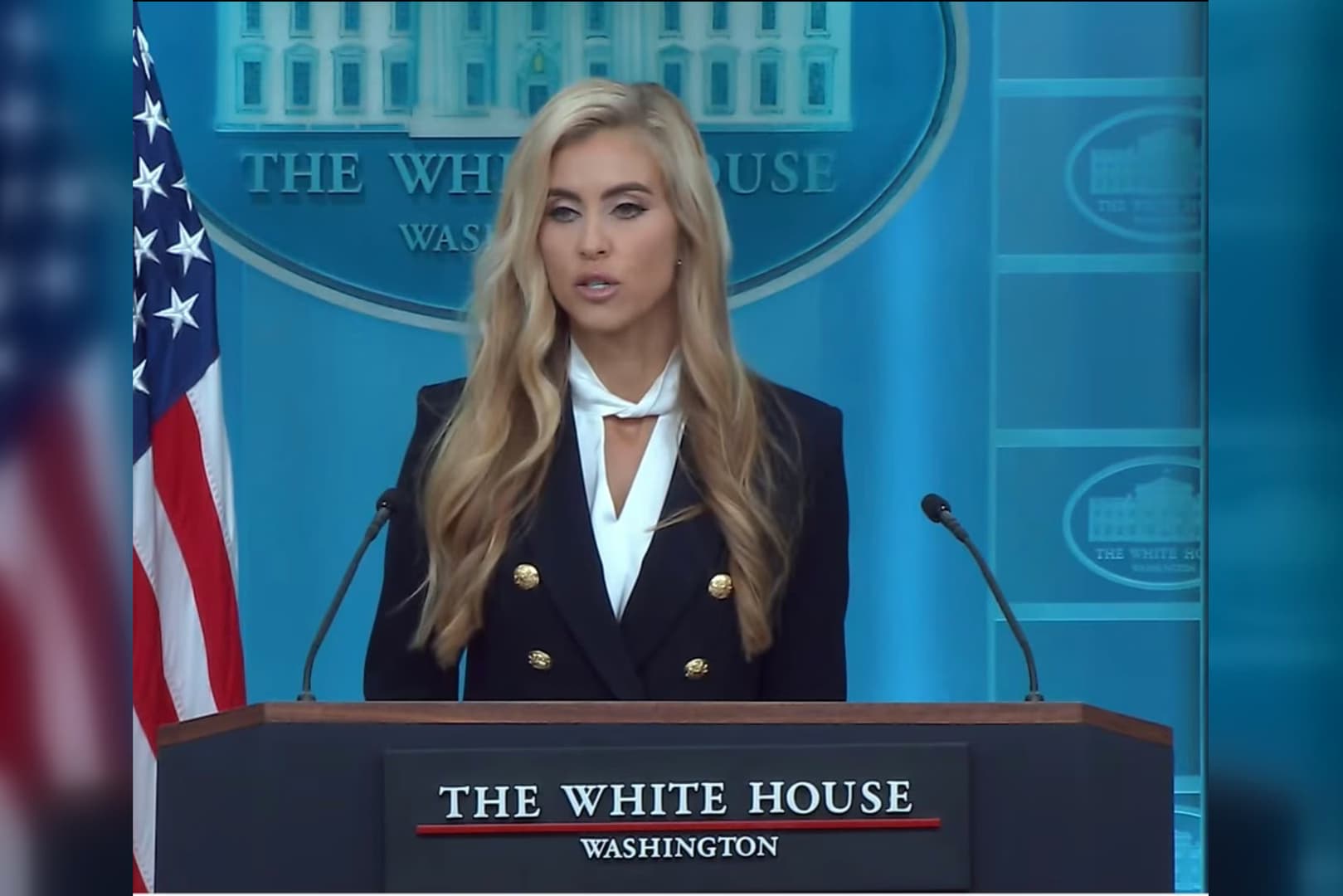
White House restricts access to OpenAI's GPT-5.6 Sol model
OpenAI's newest flagship model, GPT-5.6 Sol, has been opened for preview to a limited number of trusted partners at the US government's request.


OpenAI's latest flagship model, GPT-5.6 Sol, will initially only be tested by a limited number of trusted partners at the request of the US government. The company announced that it shared the model's capabilities with the US administration before launch and will begin previewing it with specific partners shared with the government before making it more widely available.
GPT-5.6 Sol is part of OpenAI's new GPT-5.6 series. The company describes it as its most powerful model in coding, biology, and cybersecurity. For now, the model is only available to selected partners via API and Codex; when it will be made available to the general public has not yet been announced.
Cybersecurity concerns at play
What has drawn Washington's attention is the model's cybersecurity capabilities. OpenAI says GPT-5.6 Sol is more successful at finding and fixing software vulnerabilities, but it has not reached the level of carrying out full-scale cyberattacks. However, the company admits that benchmark tests cannot predict all scenarios that could emerge when the model is combined with other tools.
The Trump administration created a new cybersecurity framework for artificial intelligence through an executive order issued in June. The order outlines a voluntary framework for advanced AI models, while noting that the government can gain early access via trusted partners. While the White House stresses that this move does not constitute mandatory licensing or pre-approval, critics are concerned that the power to select the model's first users could become a form of silent government control.
Anthropic case draws comparisons
OpenAI's experience echoes a similar situation with AI company Anthropic. On June 12, the US administration directed Anthropic to suspend access for foreign nationals to its Fable 5 and Mythos 5 models. Following that directive, the company was forced to disable the models on a wider scale.
However, the US Commerce Department later lifted the export controls imposed on these models. Anthropic pledged to strengthen security measures and cooperate with the government on model release protocols. Fable 5 was reported to have been made accessible again as of July 1. According to Reuters, the restrictions were lifted following talks between the company and US officials.
Experts note that both incidents have intensified debates over how quickly AI tools should be released, who should get early access, and the government's role. While powerful models can help patch security vulnerabilities for hospitals, banks, and critical infrastructure, the same capabilities also carry the risk of being exploited by malicious actors.
For now, the debate centers on how to balance security, access, and accountability as these tools move closer to everyday life.
Stay Updated with The Turkiye Times
Subscribe to be informed about special news, developments and announcements. We will keep you informed.
By signing up, you agree to our Privacy Policy