- BIST10012,070-0.40%
- USD49.39+0.05%
- EUR55.30+0.16%
- GOLD4,193.30+2.08%
- INTEREST37.00%-1.00
- BITCOIN82,278+0.86%
- October 15, 202613°
- BIST10012,070-0.40%
- USD49.39+0.05%
- EUR55.30+0.16%
- GOLD4,193.30+2.08%
- INTEREST37.00%-1.00
- BITCOIN82,278+0.86%
- October 15, 202613°
Türkiye Innovation Week 2026 debates AI reliability and the human role
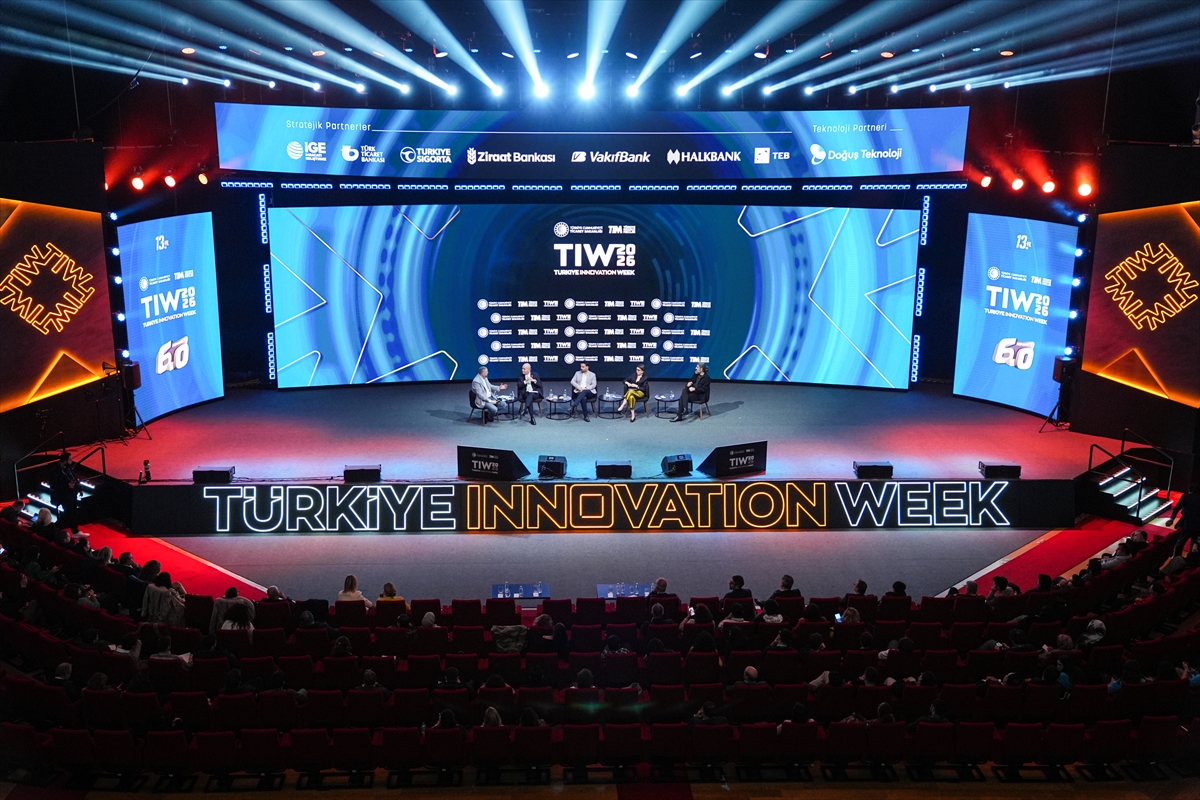
On the first day of Türkiye Innovation Week 2026, organised by the Türkiye Exporters Assembly with the support of the Ministry of Trade at Istanbul’s Haliç Congress Center, the impact of artificial intelligence on people, corporate management and reliability was discussed.


On the first day of Türkiye Innovation Week 2026 (TIW26), a talk and a panel focusing on the impact of artificial intelligence on human life and institutions were held. The event, organised by the Türkiye Exporters Assembly (TIM) with the support of the Ministry of Trade at the Haliç Congress Center, is being held this year under the theme “Humanity 6.0 – The New Phase of Humanity.”
In the event’s 13th year, an opening address titled “Humanity 6.0: Why Is Humanity Back at the Center in the Age of AI?” was delivered. The panel titled “The Crisis of Reality: What, Whom and How Will We Trust?” discussed social networks, deepfake technology and the reliability of artificial intelligence systems.
Artificial intelligence and data security for companies
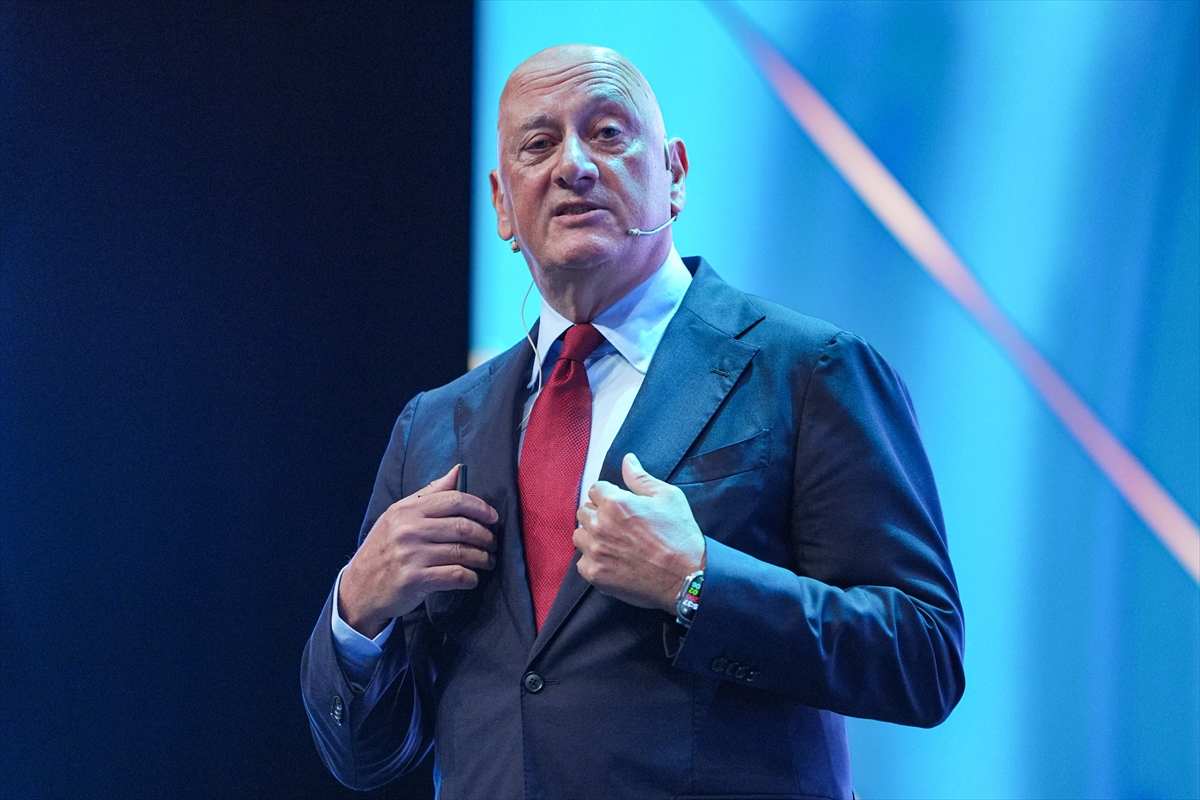
Süreyya Ciliv, chairman of the board of Kuika Software, spoke about the importance of innovation, entrepreneurial leadership and corporate culture in company management. Ciliv said companies should anticipate the next 10 years and move in the right direction.
Noting that major advances were taking place in technology, Ciliv said the transfer of data abroad should be prevented. He said companies should not rely on their past successes, should work to compete globally and should train employees specialising in technology.
Ciliv also advised companies to build intelligent systems tailored to their business processes. He said that keeping these systems under the companies’ own management would make a difference.
Social network content and the debate over reality
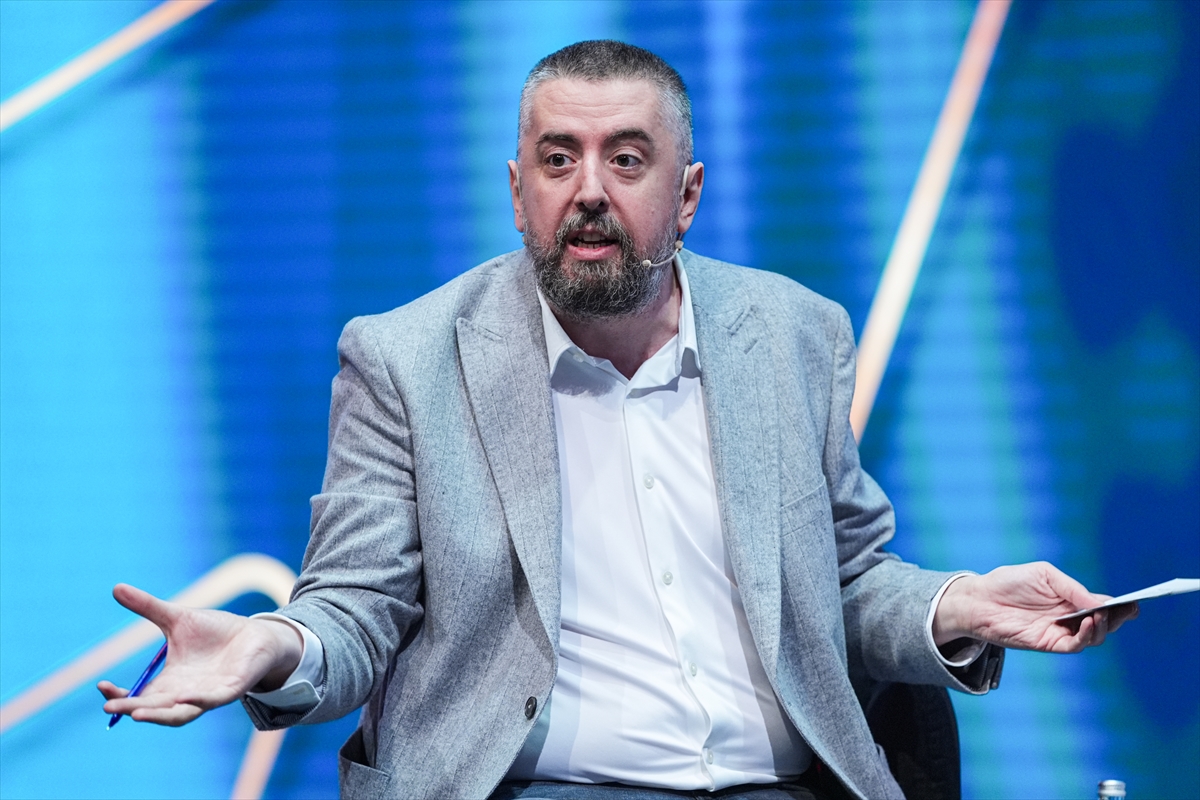
The panel moderated by Akan Abdula, co-founder of FutureBright Group, also addressed how young people follow current affairs. Technology strategist and entrepreneur Nazlıcan Yöney said Generation Z had been born into technology and that a significant proportion of young people followed the agenda through social networks.
Yöney said that although social networks contain exaggerated content, these platforms are also centers of friendships, communities, humor and job opportunities. She said the fact that content is filtered does not mean it is entirely fabricated.
Yöney said social network tools are designed to keep users on screen, adding that people should check the original source, the date of the news and its context when accessing information. She said these tools could be useful when used with a critical perspective.
Deepfakes and technology governance
Cantekin Ertekin, managing partner at ITGT Consultancy, said the engineering company Arup had made a large money transfer several years ago as a result of fraud carried out using the deepfake method. Ertekin said the incident could be considered a deepfake case.
Ertekin said today’s technology could not be governed using the technology and sets of rules created in the past, adding that decision-making and governance mechanisms had been shaped by approaches from many years ago. He said technological transformation should be addressed from a broader perspective in management processes.
Art, robots and responsibility in artificial intelligence
Artist and designer Bager Akbay said art was one of the ways of understanding the future, the past and the world. Comparing how children are raised with the design processes of robots, Akbay said he shaped his work around the question, “Can I design a robot so that it can be itself?”
Akbay said it could become more difficult for a child to develop their own identity if they were raised in the way others wanted. He said a similar issue arose when designing a robot and that he questioned what it meant for a robot to be itself.
Serhan Yılmaz, deputy general manager responsible for data and artificial intelligence at Doğuş Teknoloji, said that as the capabilities of artificial intelligence models improve, the responsibility of those using these systems also increases.
Yılmaz said that understanding the behavior of models was the first requirement for reliable artificial intelligence systems. Pointing to the importance of testing processes in assessing the reliability of models, Yılmaz said a system’s output might not always correspond to user expectations.
Source: Anadolu Ajansı
Spotted an error in this story?Report it on WhatsApp
Share on all social platforms
Sponsored Ads
Featured Listings
Loading featured properties...
Stay Updated with The Turkiye Times
Subscribe to be informed about special news, developments and announcements. We will keep you informed.
By signing up, you agree to our Privacy Policy