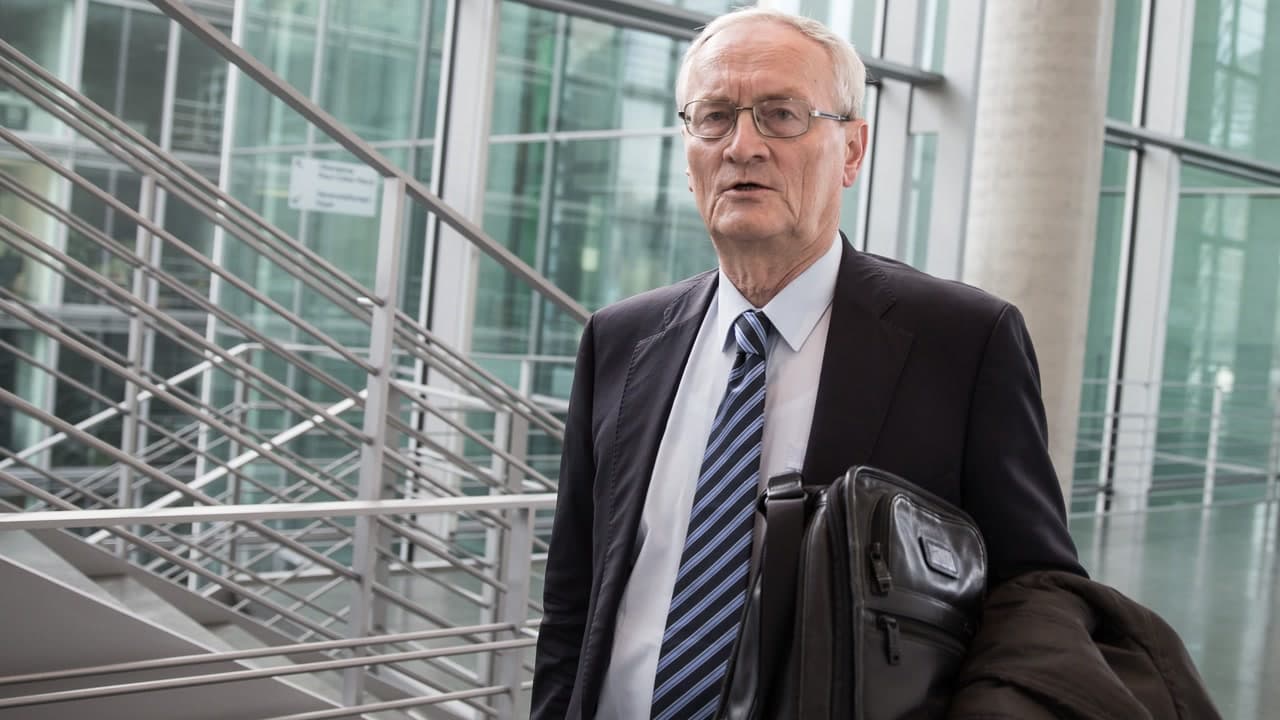
John Kennedy, head of the World Meteorological Organization’s Climate Information Branch, said the scorching heatwaves that affected Europe several times this year are expected to become more frequent and intense in the future.
Kennedy said the successive high-intensity and long-lasting heatwaves in Europe are consistent with the conditions expected to emerge as a result of climate change. He said climate change will increase the frequency and duration of heatwaves, affect larger areas and make them last longer.
Europe has warmed faster over the past 30 years
Noting that Europe has warmed faster over the past 30 years than Asia, Africa, Oceania and the Americas, Kennedy said the main reason for this is long-term warming caused by greenhouse gases.
Kennedy said the reduction in air pollution in Europe has cleared the skies, contributing to more sunlight during the summer and higher temperatures. He also identified the more frequent occurrence of weather patterns that create high pressure over Europe and cause heatwaves as one of the factors contributing to rapid warming.
Extreme temperatures affect health and infrastructure
Stating that temperature peaks have reached higher levels with global warming, Kennedy said temperatures between these peaks have also risen, causing heatwaves to occur more frequently and last longer.
Kennedy said the temperatures recorded this summer were not normal and that the weather conditions were highly unusual. He said they expected more frequent and intense heatwaves as the climate continues to warm. Kennedy said extreme temperatures are dangerous to human health and that the number of deaths rises during such periods.
Kennedy said extreme heat also affects productivity and infrastructure. He said transport infrastructure had collapsed in some areas because of the temperatures and that energy production had also been adversely affected.
Drought is putting pressure on agriculture and energy production
Kennedy said water levels in rivers had fallen in some parts of Europe because of low rainfall, causing disruptions to energy production. He said heat and low rainfall were also affecting agriculture, adding that soil had become severely dry across large areas of Spain, France, southern Germany and other parts of Europe.
Kennedy said heat and the resulting drought conditions have wide-ranging effects on people and natural systems. Saying that warming in Europe will continue as greenhouse gas emissions increase, Kennedy noted that heatwaves will become more frequent, intense and prolonged in the future.
Kennedy said warming will not be limited to the hottest periods of the year and that temperature increases will be seen throughout the year and in different parts of the world.